
Pre K Program in Mount Pleasant SC and Early Learning Center Options for Families
Pre K Program and Early Learning Center Options in Mount Pleasant SC for Families
Choosing the right early learning environment affects a child’s development and school readiness. Families in Mount Pleasant, SC have access to Pre K programs and early learning centres for infants through preschool. This article outlines options, benefits of early childhood education, and how programs prepare children for kindergarten. We summarise the offerings at The Sweetgrass School and how its programs align with the South Carolina Early Learning Standards.
Key Takeaways
- The Sweetgrass School serves children aged 6 weeks to 5 years in Mount Pleasant, SC.
- Programs match developmental stages and emphasize play‑based learning.
- Curriculum aligns with South Carolina Early Learning Standards for ages 3–5.
- Safety and hygiene practices plus qualified staff ensure quality child care.
- Enrollment requires an application and payment of applicable fees.
- ProCare Connect enables parent–teacher communication and updates.
- Programs support holistic development and school readiness.
What Age Groups and Programs Does The Sweetgrass School Offer in Mount Pleasant SC?
The Sweetgrass School delivers programmes for children from 6 weeks up to 5 years. Each programme is designed to match the developmental needs of its age group and to provide appropriate care and learning opportunities. Families may select full‑time or part‑time enrolment to fit their schedules. These options support consistent routines and help children progress in a stable, nurturing setting.
Which Early Learning Programs Serve Infants, Toddlers, and Preschoolers?
The Sweetgrass School structures its early learning programmes around the distinct needs of infants, toddlers and preschoolers. The curriculum uses the South Carolina Early Learning Standards as a framework to ensure activities are age‑appropriate and developmentally targeted. Emphasis is placed on play‑based learning to promote cognitive, social and emotional development through guided exploration and purposeful interactions.
Evidence from multiple studies highlights the positive effect of play‑based learning on early cognitive development and supports its use in preschool programmes.
Play-Based Learning & Early Childhood Cognitive Development
Summary/Abstract: This quantitative study examines the pedagogical impact of play‑based learning on cognitive development in early childhood. Using constructivist and sociocultural learning theories, the research evaluates how structured and unstructured play contribute to attention, memory, language and problem‑solving among Romanian preschoolers. Data were collected from a representative sample of 100 educators in Dolj County, Romania, and the analysis found strong correlations between play‑centered pedagogy and perceived improvements in children’s cognitive performance. The authors recommend integrating purposeful, guided play into national preschool curricula and teacher training, and they provide practical recommendations and suggestions for future research.
Play-Based Learning And Cognitive Development In Early Childhood: Pedagogical Approaches And Practical Implications, E Lazar, 2025
How Does the Pre K Program Support School Readiness for Ages 3 to 5?
The Pre K programme at The Sweetgrass School is structured to support children aged 3 to 5 as they prepare for kindergarten. It provides an academically engaging environment with activities that develop literacy, numeracy and social skills. The curriculum takes a holistic approach, so children build academic foundations while also strengthening emotional and interpersonal abilities needed for school.
Research shows that early health interventions and consistent well‑child care contribute to better school readiness outcomes over time.
South Carolina Medicaid & Early School Readiness
Introduction: The American Academy of Pediatrics recommends a schedule of age‑specific well‑child visits through age 21. For children covered by Medicaid, these visits are provided under Early and Periodic Screening, Diagnosis, and Treatment (EPSDT). EPSDT visits are intended to support physical, emotional and cognitive health. Six visits are recommended in the first year of life and three in the second year. The study hypothesised that children who receive the recommended visits in the first two years are more likely to be ready for school at the end of kindergarten.
School readiness among children insured by Medicaid,
South Carolina, TC Hulsey, 2012
| Aspect of Support | Description | Value |
|---|---|---|
| Academically Engaging Environment | Interactive learning experiences that stimulate curiosity and learning | High |
| Holistic Development Focus | Emphasis on emotional, social, and cognitive growth | High |
| Preparation for Kindergarten | Activities designed to meet kindergarten readiness standards | High |
This structured approach strengthens daily learning and builds a firm foundation for children’s academic progress.
How Does The Sweetgrass School Ensure Safety and Quality in Child Care Services?
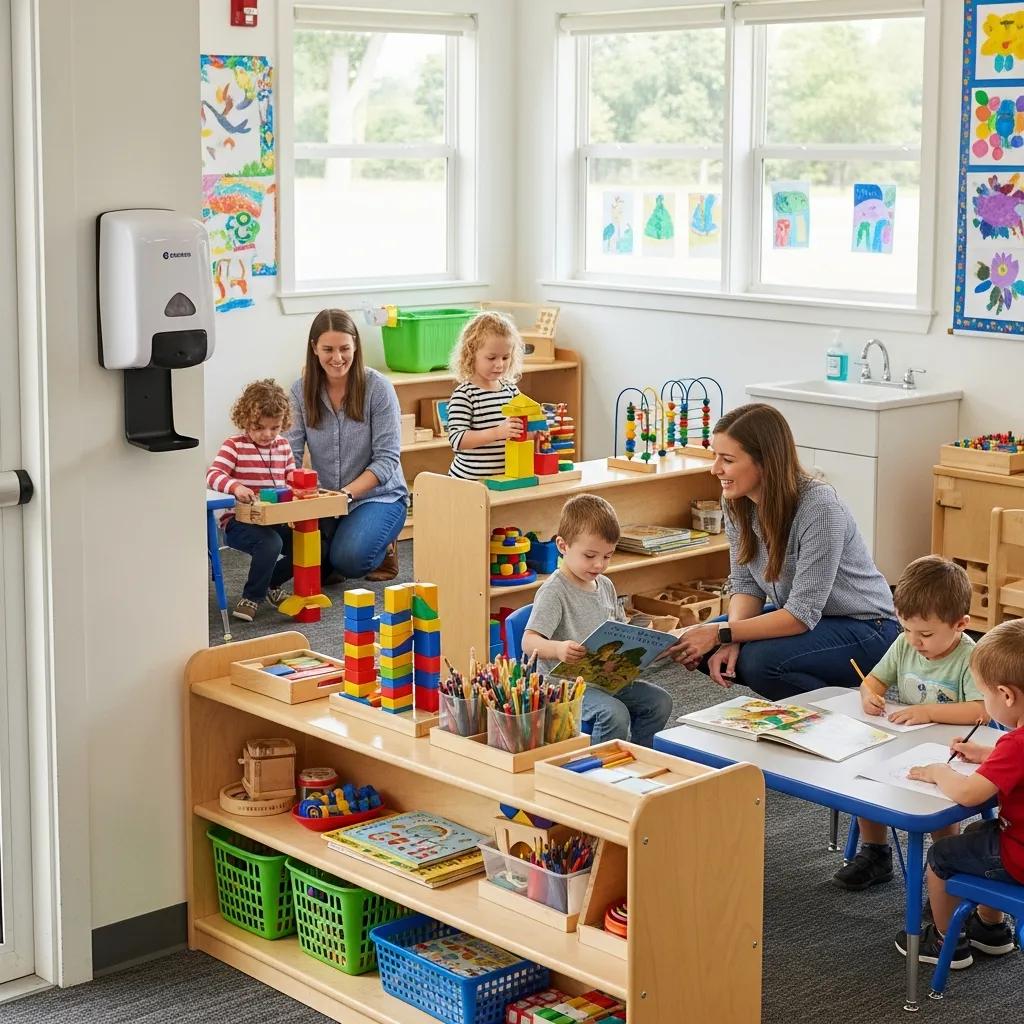
Safety and quality are central to operations at The Sweetgrass School. The facility follows strict cleanliness and hygiene protocols and maintains staffing standards through ongoing professional development. These practices are designed to reduce health risks and ensure staff are prepared to deliver consistent, high‑quality care, which in turn reassures parents about their child’s well‑being.
What Are the Key Safety Policies and Secure Environment Features?
The Sweetgrass School maintains several core safety policies and features to protect children in its care. These measures are clearly defined and routinely applied across the centre.
- Daily Cleaning Protocols: Regular cleaning and sanitization of all areas to maintain hygiene.
- Safety Monitoring Systems: Use of surveillance and monitoring systems to ensure child safety.
- Emergency Preparedness Plans: Established protocols for various emergency situations to protect children.
These precautions give parents confidence and create a secure setting where children can learn and explore.
How Is Developmentally Appropriate Curriculum Implemented for Child Growth?
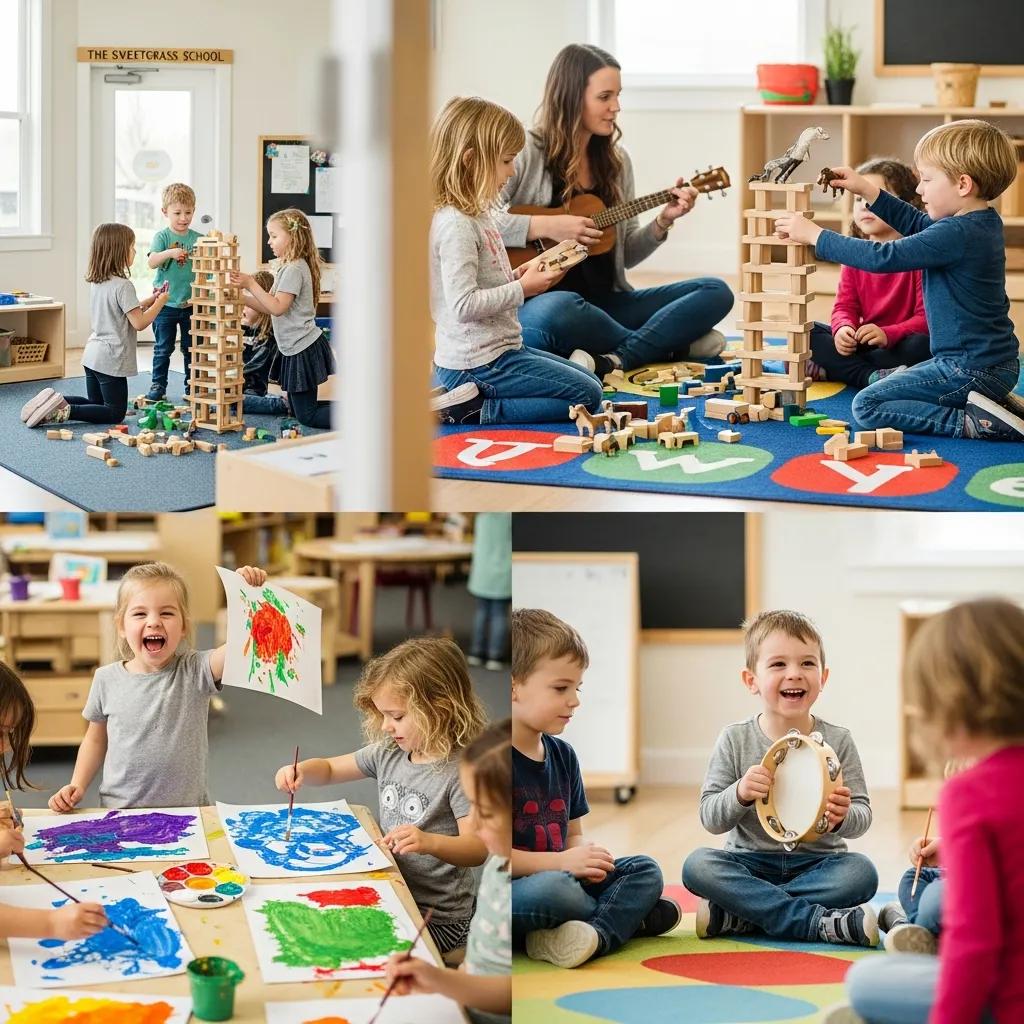
The Sweetgrass School implements a developmentally appropriate curriculum organised into thematic units. These units target cognitive, social, emotional and physical domains, providing varied activities that match each child’s stage of development. The approach aims to deliver balanced learning that supports overall growth and readiness for the next educational step.
A curriculum tailored to developmental stages improves learning effectiveness and helps teachers target instruction to each child’s needs.
Developmentally Appropriate Curriculum for Early Childhood
ABSTRACT: Developmentally Appropriate Curriculum explains the how, what and why of curriculum development for young children ages 3 through 8. The guide compiles the essentials pre‑service teachers need to implement an integrated, developmental approach to instruction, including sample activities and lesson plans for each domain. It offers practical, research‑based guidelines and teaching methods to translate theory into age‑appropriate practice that respects individual, social and cultural differences. The 8th Edition integrates examples of play and assessment and references recent NAEYC publications and standards to keep the material current.
Developmentally appropriate curriculum: Best practices in early childhood education, 2024
What Is the Enrollment Process for Families Interested in Preschool Programs in Mount Pleasant?
Enrolling at The Sweetgrass School follows a clear, step‑by‑step process. Families complete the New Student Application Form, submit any required application fees, and provide documentation such as immunisation records and identification. These steps initiate registration and help the school maintain accurate records for each child.
- New Student Application Form: Completing the application form to initiate the enrollment process.
- Application Fee Details: Payment of any applicable fees associated with the application.
- Documentation Submission: Providing necessary documentation, such as immunization records and identification.
This streamlined process helps families secure placement and prepares children for a smooth start to their programme.
What Steps Are Involved in Registering for the Pre K and Early Learning Programs?
Registration involves submitting the completed application, following fee payment instructions, and awaiting confirmation of enrolment. Each step is outlined in the school’s enrolment materials so families know what to expect and when.
- Application Process: Families must fill out the application form and submit it to the school.
- Fee Payment Instructions: Payment of registration fees as outlined in the enrollment materials.
- Confirmation of Enrollment: Once the application is processed, families will receive confirmation of their child’s enrollment.
Clear steps and timely communication ensure families are informed and ready for their child’s first day.
How Does The Sweetgrass School Communicate with Parents During Enrollment and Beyond?
Communication with parents is managed through ProCare Connect, which supports direct messages between teachers and families, regular progress updates and important announcements. The platform helps maintain a transparent partnership between home and school and keeps parents informed about their child’s development and daily activities. For more on parent communication, see the school’s parent communication page.
What Are the Benefits of Early Childhood Education at The Sweetgrass School in Mount Pleasant SC?
Early childhood education at The Sweetgrass School supports children’s development across multiple domains. Key benefits include a safe, nurturing environment, a curriculum that promotes cognitive, social and emotional growth, and experienced staff who deliver consistent, research‑informed practices. Together, these elements prepare children for classroom routines and academic expectations.
- Safe and Nurturing Environment: Children thrive in a supportive atmosphere that encourages exploration and learning.
- Holistic Development Focus: The curriculum promotes cognitive, social, and emotional growth, preparing children for future challenges.
- Qualified Staff: Experienced educators provide high-quality care and education, ensuring children receive the best possible start.
These features demonstrate why selecting a quality early learning centre matters for a child’s foundational years.
How Does Early Learning Promote Cognitive, Social, and Emotional Development?
Early learning fosters cognitive, social and emotional development through structured activities and play‑based experiences. Children build language and problem‑solving skills, practise communication and cooperation with peers, and develop self‑regulation. These gains support success in school and daily life.
What Makes Montessori and Other Preschool Options Unique in This Community?
Montessori and other preschool approaches offer different structures and learning philosophies to meet diverse needs. Montessori emphasises child‑led exploration, which promotes independence and critical thinking by letting children follow their interests at their own pace. Other programmes may use more teacher‑led, structured activities to meet specific learning outcomes. Families should weigh each model against their child’s temperament and learning preferences.
For more information about the programs offered, visit The Sweetgrass School’s program page.
To understand the school’s commitment to safety, you can review their safety policies.
If you’re interested in enrolling your child, you can find details about the registration process on their website.
Frequently Asked Questions
What are the differences between Montessori and traditional preschool programs?
Montessori programmes centre on child‑led learning and hands‑on materials, allowing children to explore at their own pace and build independence. Traditional preschools typically follow a teacher‑led schedule with targeted lessons and group activities. Both approaches support development, but Montessori places greater emphasis on self‑direction while traditional models may focus more on specific skill objectives. Consider your child’s learning style when choosing between them.
How can parents assess the quality of an early learning center?
Parents should visit the facility, observe staff‑child interactions and review the curriculum. Check for accreditation and compliance with state regulations. Speak with current families and read reviews to gauge reputation. Key indicators of quality include qualified staff, clear safety procedures and an environment that supports active learning.
What role do parents play in their child's early education?
Parents support early learning by reinforcing skills at home, participating in school events and maintaining regular communication with teachers. Active involvement helps children apply classroom learning in daily life and gives parents insight into progress and areas needing extra support.
Are there financial assistance options available for early childhood education?
Financial assistance is often available through state‑funded programmes, scholarships and sliding‑scale fees. Some organisations offer grants or subsidies to offset tuition. Families should contact centres directly to learn about eligibility and the specific aid options offered.
What are the long-term benefits of enrolling children in early learning programs?
Participation in quality early learning programmes is associated with better academic outcomes, improved social skills and stronger emotional development. Research links early education to higher rates of school success and graduation, and to enhanced problem‑solving and critical thinking skills that benefit lifelong learning.
How does play-based learning impact a child's development?
Play‑based learning supports cognitive, social and emotional growth by allowing children to explore, experiment and solve problems in a low‑risk setting. Through play, children develop language, creativity and peer interaction skills. Studies show play‑centred approaches help build critical thinking and communication, making play a core component of effective early education.
Conclusion
Selecting the right early learning centre, such as The Sweetgrass School, gives children a safe, nurturing setting that supports holistic development. With a curriculum aligned to the South Carolina Early Learning Standards and experienced staff who prioritise safety and quality, children are prepared for the transition to school. Explore the school’s programmes and registration information to take the next step for your child’s education.