
Toddler Daycare vs Private Preschool in Charleston SC for Growing Children
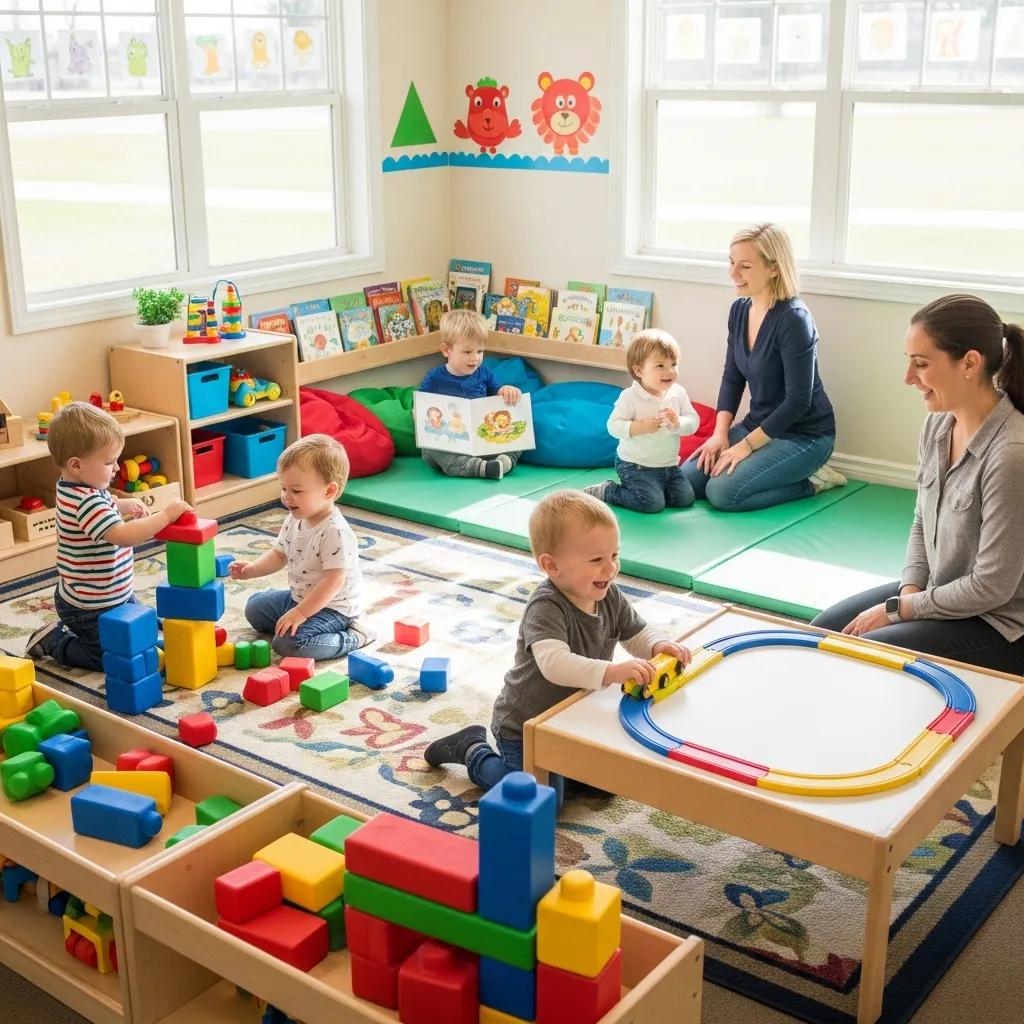
Toddler Daycare vs Private Preschool in Charleston SC: Choosing the Best Early Childhood Education for Growing Children
Choosing between toddler daycare and private preschool can be confusing. This article outlines the practical differences in Charleston, SC—age ranges, program focus, developmental goals, safety, and enrollment—so you can decide which setting best supports your child’s growth.
Key Takeaways
- Toddler daycare: care and socialization for infants and toddlers (about 6 weeks–3 years).
- Private preschool: structured learning and kindergarten readiness for ages roughly 3–5.
- Private preschools emphasize holistic development in secure settings.
- Structured curricula align daily activities with developmental milestones.
- Safety and qualified staff are central to quality early education.
- Enrollment typically requires a tour, an application, and tuition arrangements.
- The Sweetgrass School highlights parent communication and engagement.
What Are the Key Differences Between Toddler Daycare and Private Preschool in Charleston SC?
The primary differences are purpose and routine. Daycare focuses on consistent care, naps, feeding, and early social exposure while parents work. Private preschool emphasizes intentional learning, group activities, and skills that ease the transition to kindergarten. Choose based on your child’s age, daily needs, and readiness for structured instruction.
How Do Age Ranges and Program Structures Compare?
Toddler daycare usually serves infants and toddlers up to about age three; private preschool serves roughly ages three to five with set daily schedules and learning goals.
- Toddler Daycare: Infants and toddlers (commonly 6 weeks–3 years)Care-focused routines, flexible hoursEmphasis on social exposure and basic skills
- Private Preschool: Preschool-aged children (about 3–5 years)Set curriculum and classroom routinesGoals centered on school readiness and early academics
Assess your child’s daily schedule, social needs, and readiness for group learning when choosing a program.
What Developmental Goals Does Each Program Emphasize?
Programs match goals to age: daycares support attachment, routines, and early language/motor skills; preschools target cognitive skills, social-emotional learning, and school readiness.
- Toddler Daycare Goals: Socialization and routineMotor and language foundationsEmotional security
- Private Preschool Goals: Early literacy and numeracy conceptsCooperation, self-regulation, and conflict resolutionKindergarten preparation
While goals differ, research suggests some behavioural outcomes may be similar across program types, so program quality and fit matter most.
Public vs. Private Preschool: Behavioral Skills
In a national sample of low-income children, RL Coley (2016) found no differences in children’s behavioural skills at age five across public, private, and informal preschool programs. The results support increased access to center preschool programs for low-income families.
Comparing public, private, and informal preschool programs in a national sample of low-income children, RL Coley, 2016
What Are the Benefits of Private Preschool Programs for Child Development?
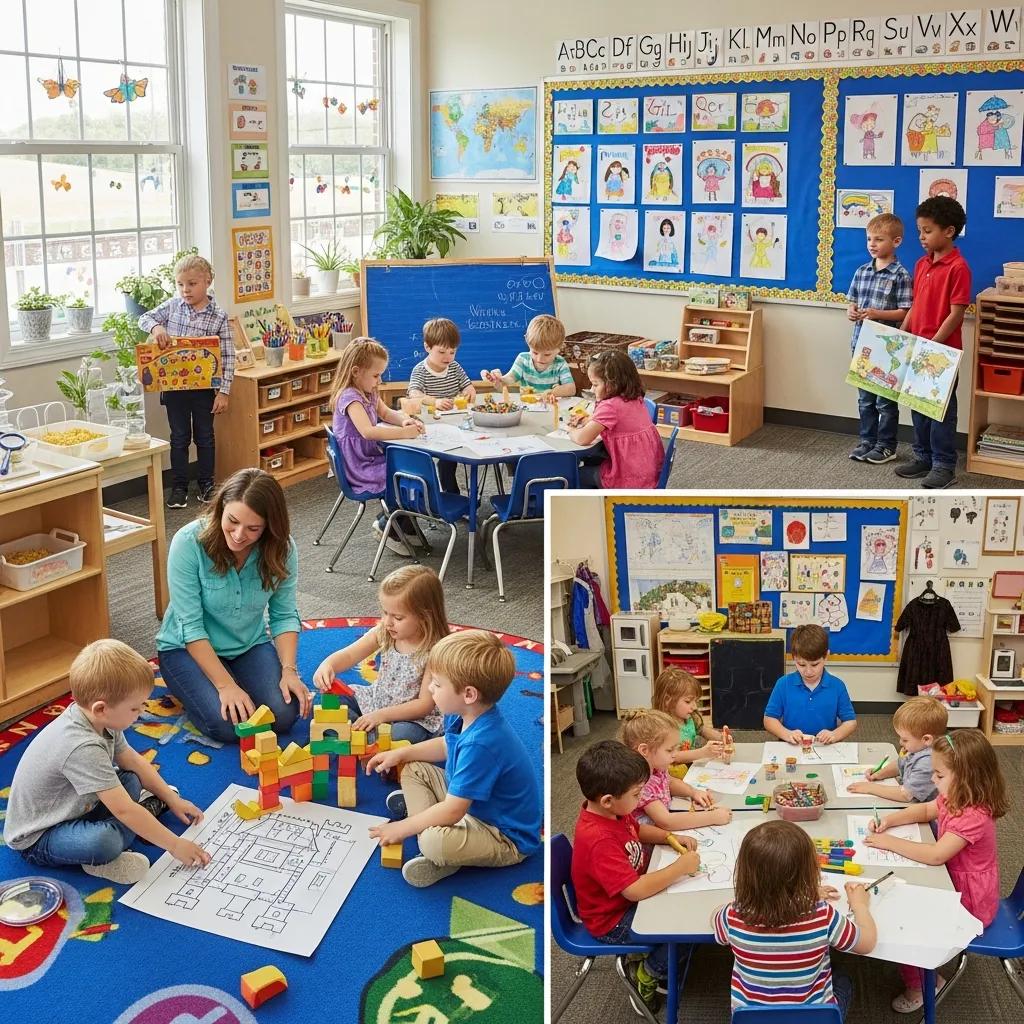
Private preschools typically offer a consistent, nurturing environment with an intentional focus on cognitive, social, and emotional development to promote a smooth transition into elementary school.
- Safe and Nurturing Environment: Secure settings that encourage exploration.
- Holistic Development Focus: Balanced attention to cognitive and social-emotional growth.
- Preparation for Kindergarten: Activities and routines that build early academic and self-help skills.
For families in Charleston, SC, The Sweetgrass School provides private preschool options tailored to ages 3–5.
How Does a Structured Curriculum Support Preschool Readiness?
Structured curricula organize daily experiences around clear developmental milestones so children practice skills in literacy, math thinking, and self-regulation.
- Curriculum Alignment: Programs often follow state or national guidance to ensure consistency.
- Thematic Learning: Themes link activities across subjects for deeper understanding.
- Milestone Focus: Lessons target specific skills needed for kindergarten.
This approach builds foundational skills and fosters curiosity for later learning.
Structured Preschool Curriculum & Child Development
This study tested an intervention that introduced a structured curriculum for five-year-olds into Norway’s universal preschool context, where the usual approach was unstructured. A field experiment with 691 five-year-olds in 71 preschools measured treatment impacts on children’s development in mathematics, language, and executive functioning.
The effects of a structured curriculum on preschool effectiveness: A field experiment, M Rege, 2024
What Safety and Quality Measures Are Implemented?
Both quality daycare and private preschools use safety protocols, cleaning routines, secure entry, and trained staff to maintain a healthy, predictable environment.
- Cleanliness Protocols: Regular sanitization and hygiene practices.
- Safety Measures: Secure access, emergency plans, and trained staff.
- Staff Qualifications: Educators with early childhood training improve program quality.
Program quality is often evaluated against recognized benchmarks like ratios, qualifications, and group size.
Pillars of Quality in Early Childhood Education
There is international recognition of the importance of high quality services for young children, with consensus that three pillars contribute to quality improvement: adult: child ratios, staff qualifications and group size.
The Role of Staff in Quality Improvement in Early Childhood., M Sims, 2015
How Can Parents Navigate Enrollment for Toddler Daycare and Private Preschool in Mount Pleasant SC?
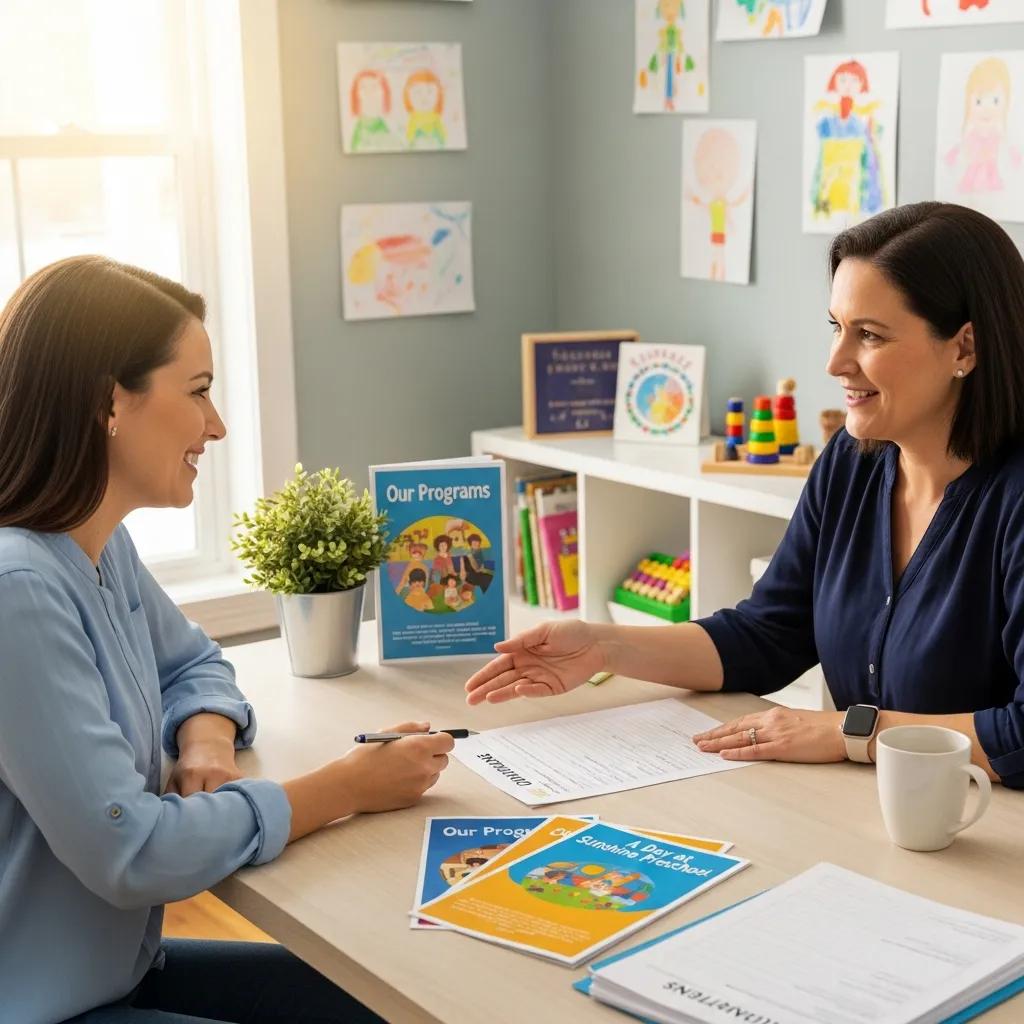
Enrollment is straightforward when you know the steps: visit, apply, and clarify tuition and policies.
- Tour Scheduling: See classrooms and meet staff.
- Application Process: Complete forms and any fees.
- Tuition Payment Options: Confirm rates, schedules, and payment plans.
To inquire about The Sweetgrass School, contact Charlotte at [email protected] or call (843) 485-5507.
What Are the Step-by-Step Enrollment Procedures?
Typical steps: submit an application, pay any fee, and confirm enrollment when accepted. Schools will provide next steps and required forms after acceptance.
- Application Form: Provide the requested information.
- Application Fee: Pay to hold a spot if required.
- Confirmation of Enrollment: Receive acceptance details and orientation instructions.
Completing these steps promptly helps secure placement.
Which Documents and Policies Should Parents Prepare?
Bring completed application forms and any required authorizations and review school policies before enrollment.
- New Student Application Form
- Application Fee
- Medication Authorization Form
Having documents ready shortens processing and ensures compliance.
How Does The Sweetgrass School Ensure Transparent Communication and Parent Engagement?
The Sweetgrass School emphasizes clear updates and active parent partnerships to support each child’s progress.
- Daily Reports: Brief updates on activities and milestones.
- Multiple Channels: Email, phone, and digital platforms for communication.
- Parent Partnership: Events and opportunities for involvement.
These practices keep families informed and connected to classroom life.
What Communication Channels Are Available for Parents?
The school uses a mix of digital tools and in-person contact to share updates and answer questions.
- ProCare Connect: Digital updates and messaging.
- Face-to-Face Contact: Scheduled meetings and drop-off conversations.
- Phone and Email: Direct communication for urgent or detailed concerns.
Multiple channels make it easy to stay involved.
How Are Parents Involved in Their Child’s Developmental Progress?
Parents receive regular summaries, are encouraged to share observations, and can provide input to support individualized learning.
- Daily Reports: Snapshot of each day.
- Open Communication: Share concerns and observations.
- Parental Suggestions: Offer feedback to shape learning approaches.
Visit school policies for details on procedures and expectations.
Frequently Asked Questions
What are the key factors to consider when evaluating toddler daycare options?
Prioritize safety, staff qualifications, ratios, cleanliness, age-appropriate activities, and clear communication; observe staff-child interactions during a visit.
How can I find out about the curriculum used in private preschools?
Request a curriculum outline, ask how it aligns with milestones and standards, and observe classroom routines on a tour.
What types of extracurricular activities are typically offered in private preschools?
Common offerings include art, music, movement, language, outdoor play, and occasional field trips or enrichment classes.
How do toddler daycare and private preschool programs support children with special needs?
Discuss individualized plans and available supports with administrators; many programs coordinate with specialists and families to meet needs.
What are the benefits of enrolling my child in a private preschool over a toddler daycare?
Private preschools emphasize structured learning, school readiness, and often smaller class sizes for more individualized attention.
How can I stay involved in my child's education after enrollment?
Attend conferences and events, volunteer when possible, maintain regular home conversations about school, and keep open lines with teachers.
Conclusion
Daycare focuses on daily care and early socialization; private preschool emphasizes structured learning and school readiness. Consider your child’s age, temperament, and family schedule when choosing. For local options that prioritize development and family communication, visit The Sweetgrass School to learn more.