
Preschool Near Me in Mount Pleasant SC: Choosing the Right Program
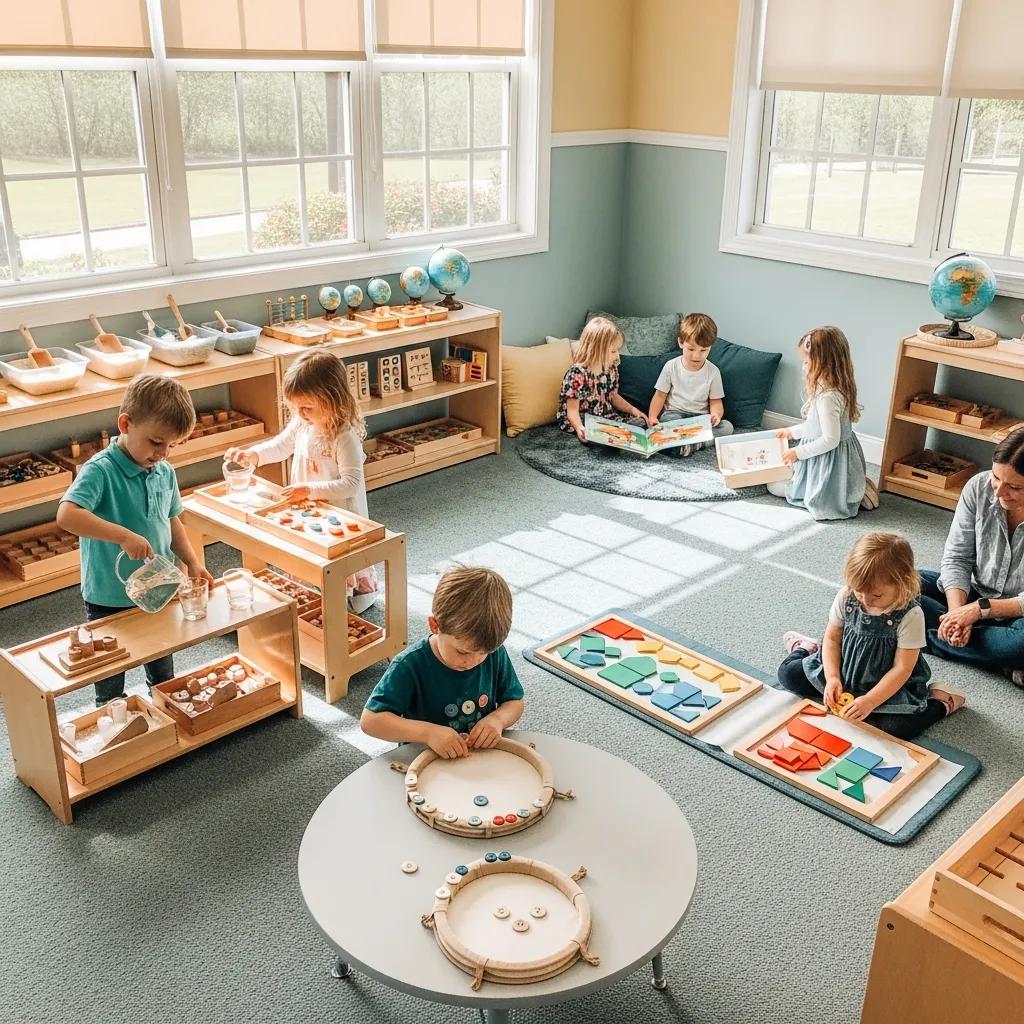
Preschool Near Me in Mount Pleasant SC: Choosing the Right Program
Choosing a preschool in Mount Pleasant, SC means weighing program quality, environment, and fit for your child. This guide summarizes local preschool types, explains Montessori features and benefits, and outlines enrollment steps at The Sweetgrass School so you can decide with your child’s development and your family’s priorities in mind.
Key Takeaways
- Mount Pleasant offers traditional and Montessori preschool options.
- Montessori emphasizes child-led, hands-on learning.
- Programs typically serve infants through preschool (about 6 weeks–5 years).
- Montessori supports critical thinking and social-emotional growth.
- Health and safety policies are important when comparing centers.
- The Sweetgrass School uses a Montessori-inspired curriculum.
- Enrollment includes tours, applications, and tuition details.
What Preschool Options Are Available in Mount Pleasant SC?
Families can choose traditional preschools, Montessori programs, or mixed childcare services offering full‑time or part‑time care and, in many cases, extended hours for working parents. Check each center’s age range—some accept infants and toddlers as well as preschoolers.
Which Age Groups Do Local Child Care Programs Serve?
Most local programs accept infants (around 6 weeks) through preschool age (about 5 years). Programs generally group children by developmental stage so activities and routines match their needs, easing transitions as they grow.
What Are the Key Features of Montessori Preschools in Mount Pleasant?
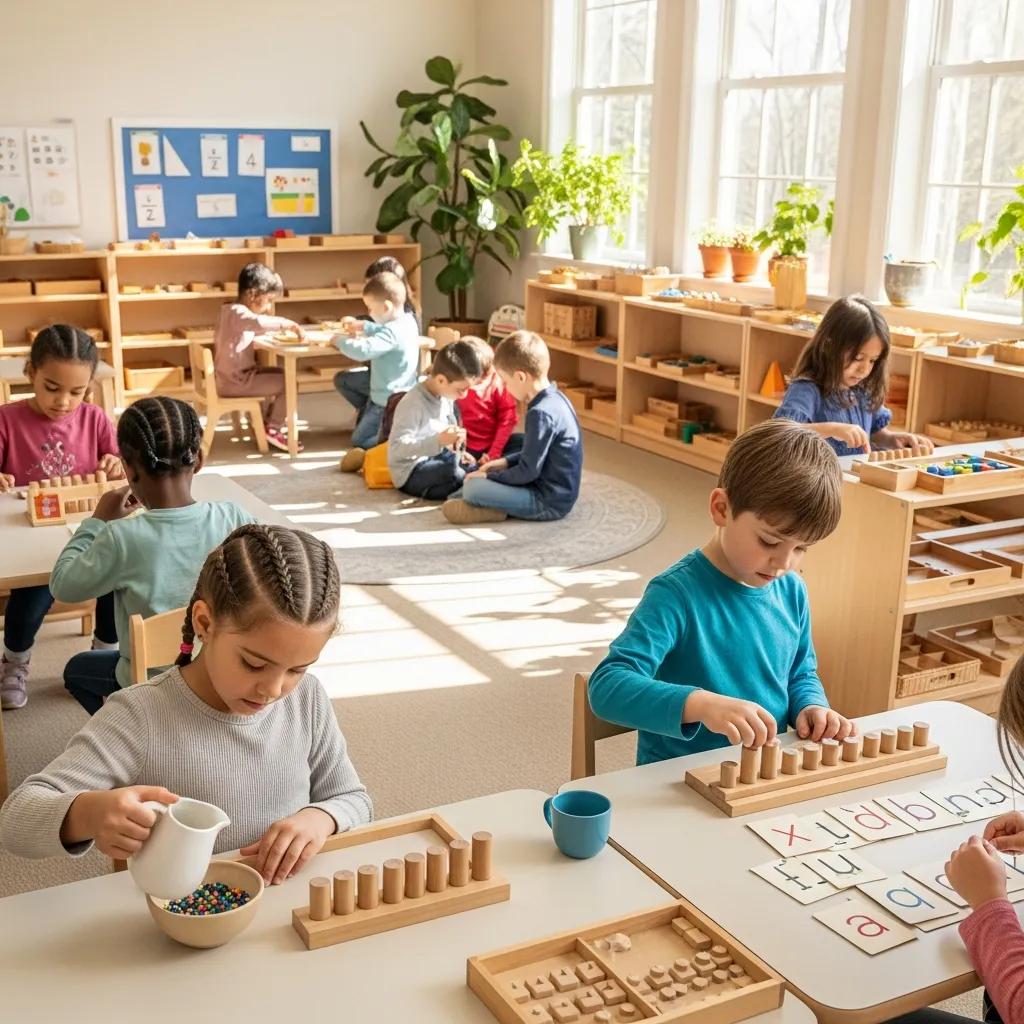
Montessori preschools in Mount Pleasant typically share these characteristics:
- Age-Appropriate Engagement: Classrooms and materials are organized for each developmental stage, supporting independent exploration.
- Alignment with State Standards: Many programs adapt the South Carolina Early Learning Standards into Montessori‑style lessons.
- Safe, Nurturing Environment: Emphasis on predictable routines, respect, and child safety.
Research has examined Montessori’s effects in South Carolina public schools, offering evidence on academic, behavioral, and social outcomes.
Montessori Education Impact in South Carolina Schools
Supported by the Self Family Foundation and the South Carolina Education Oversight Committee, the Riley Institute completed a multi‑year, mixed‑method study of Montessori education in South Carolina’s public schools. It is the most comprehensive evaluation of public Montessori conducted in the United States and examined effects on academic and behavioral outcomes, creativity, social skills, work habits, and executive function.
An Evaluation of Montessori Education in South Carolina’s Public Schools., DJ Fleming, 2018
The Sweetgrass School reflects these practices and offers infant care, toddler care, and preschool programs using a Montessori‑inspired curriculum.
How Does the Montessori Curriculum Support Early Childhood Development?
Montessori connects subjects and uses hands‑on materials to encourage practical exploration. Children build critical thinking and problem‑solving skills through guided discovery and work that links concrete materials to abstract concepts.
The curriculum also emphasizes social learning: children collaborate on tasks, practice communication, and develop teamwork skills that ease the transition to formal schooling.
What Are the Benefits of Montessori Education for Preschoolers?
Key benefits include:
- Safe, Nurturing Setting: Emotional and physical safety that encourages exploration.
- Individual Learning Pace: Children progress according to their readiness and interests.
- Preparation for Future Learning: Independence, focus, and a love of learning that support later academic success.
Together, these elements form a balanced foundation that many families find valuable.
How Does Montessori Promote Social-Emotional Growth and Learning?
Montessori classrooms teach empathy, conflict resolution, and self‑regulation through mixed‑age interactions, cooperative activities, and teacher guidance. These social‑emotional skills complement academic learning and help children manage increasingly complex social situations.
What Safety and Health Policies Should Parents Expect in Local Preschools?
When evaluating centers, review their cleanliness, hygiene routines, and safety protocols. Typical measures include regular cleaning schedules, secure entry procedures, staff emergency training, and clear illness policies.
How Are Safety Protocols Implemented in Infant and Toddler Care?
Infant and toddler care emphasizes close supervision and trained staff. Common practices include active monitoring during play, diaper and feeding routines that follow hygiene standards, and staff certification in first aid and CPR.
What Health Measures Ensure a Secure Learning Environment?
Expect daily cleaning protocols, clear illness policies (when to keep children home), and procedures for managing sick children. Together these reduce illness spread and support a healthier classroom.
How Can Parents Navigate the Enrollment Process at The Sweetgrass School?
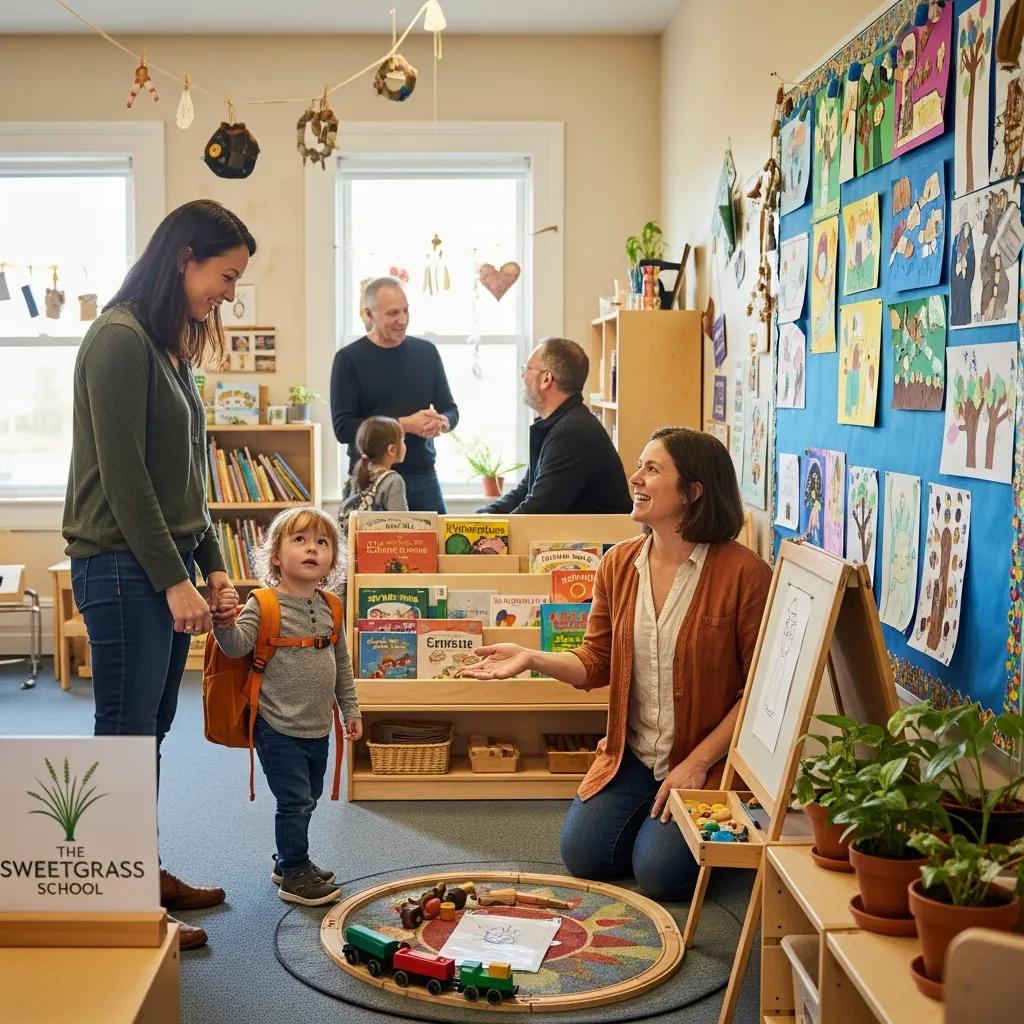
Enrollment at The Sweetgrass School typically follows a simple sequence:
- Arrange a Tour: Visit to see the classroom and meet staff.
- Complete the Application: Submit required forms and documentation.
- Review Tuition Options: Understand fees and payment plans to plan your budget.
Following these steps helps ensure a straightforward enrollment experience.
What Are the Step-by-Step Enrollment Requirements?
Common requirements include completing the application form, paying any application fee, and awaiting confirmation of placement. Preparing documentation in advance speeds processing.
How Does Transparent Parent Communication Support Enrollment?
Clear, regular communication keeps families informed. Typical practices include updates on application status, invitations to participate in events, and clear points of contact for questions. Learn more about parent communication on our site.
Frequently Asked Questions
What should I consider when choosing a preschool in Mount Pleasant?
Consider approach (Montessori vs. traditional), ages served, teacher‑to‑child ratios, curriculum, safety policies, location, and hours. Tour schools and meet staff to assess fit for your child.
How can I assess the quality of a preschool program?
Check accreditation and staff qualifications, observe classroom engagement and cleanliness, speak with current parents, and review the curriculum for developmentally appropriate goals.
What role do parents play in a child's preschool experience?
Parents support learning by staying engaged, communicating with teachers, and reinforcing skills at home. Participation in school activities strengthens community connections.
Are there financial assistance options for preschool tuition?
Many centers offer scholarships, sliding scales, or payment plans. Ask about school-specific options and research state or federal early education funding if eligible.
What are the typical daily routines in a Montessori preschool?
Routines balance structure and choice: individual work with accessible materials, group lessons, and outdoor play to support independence and collaboration.
How do Montessori preschools handle behavioral issues?
Teachers use observation and guidance to teach self‑regulation and conflict resolution, emphasizing reflection and empathy rather than punishment, with parent communication when needed.
What are the long-term benefits of Montessori education?
Families report lasting benefits such as stronger critical thinking, problem‑solving, independence, and teamwork—skills that support academic and social success.
Conclusion
Choosing the right preschool in Mount Pleasant, SC shapes early development. Montessori programs like those at The Sweetgrass School support independence, critical thinking, and social‑emotional growth. Review program features, tour facilities, and ask about safety, curriculum, and enrollment to find the best match for your family.