
South Carolina Early Learning Standards Summary
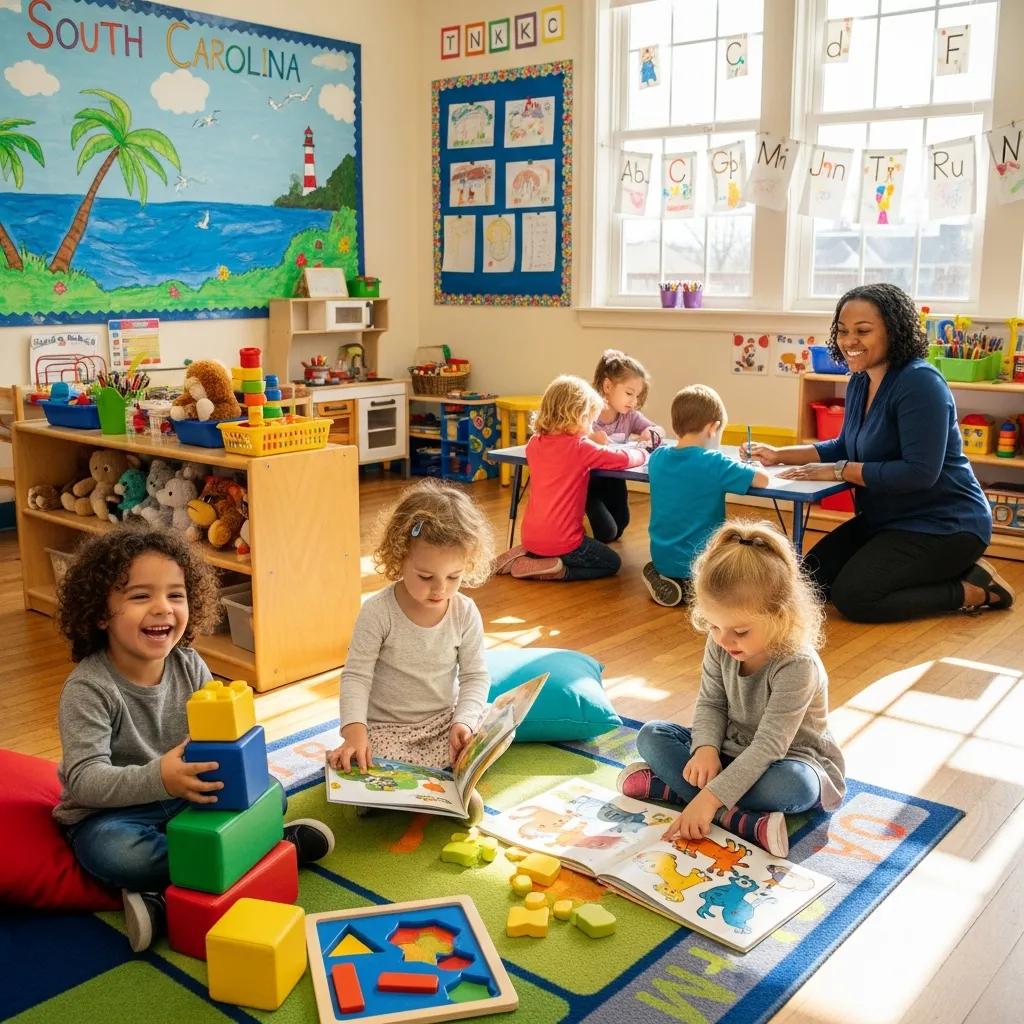
South Carolina Early Learning Standards: Comprehensive Guide to Preschool Education and Child Development
The South Carolina Early Learning Standards (SCELS) play a crucial role in shaping the foundation of preschool education and child development within the state. These standards are designed to ensure that children aged birth to five years are provided with developmentally appropriate educational experiences that foster their growth. Readers will gain a better understanding of what these standards entail, their purpose, and how they are applied in early childhood education settings. This article will outline the key domains of learning included in the SCELS, the guidelines for curriculum alignment, and the assessment methods used to gauge kindergarten readiness in South Carolina. Additionally, resources that support both educators and parents will be explored to provide a comprehensive overview of early learning in South Carolina.
What Are the South Carolina Early Learning Standards?
The South Carolina Early Learning Standards are a set of guidelines designed to provide a framework for early childhood education focusing on children from birth through age five. These standards aim to promote comprehensive development by engaging children in learning experiences that support cognitive, social, emotional, and physical growth. Compliance with these standards ensures that early childhood programs adhere to a consistent quality of education. Through intentional teaching based on these guidelines, educators can create environments conducive to learning that meet children’s diverse needs.
Who Defines and Oversees These Standards?
The South Carolina Department of Education is the primary authority responsible for defining and overseeing the Early Learning Standards. This department works in collaboration with early childhood professionals and community stakeholders to establish benchmarks that reflect best practices in early education. Their roles extend to monitoring compliance, providing resources for implementation, and facilitating professional development for educators.
What Is the Purpose of Early Learning Standards in SC?
The purpose of the South Carolina Early Learning Standards is to ensure that all children have equitable access to high-quality early educational opportunities. These standards aim to prepare children for success in school and life by establishing clear expectations for learning and development. Expected outcomes include improved readiness for kindergarten, enhanced learning experiences, and a well-rounded development framework that addresses various domains of growth.
South Carolina PreK-3 Alignment Study
ABSTRACT: McAbee, Kimberly W.University of South Carolina ProQuest Dissertations & Theses, 2014. 3634868. A descriptive study of prek-3 alignment in South Carolina: Implications for primary school education, 2014
Which Learning Domains Are Defined in South Carolina’s Preschool Guidelines?
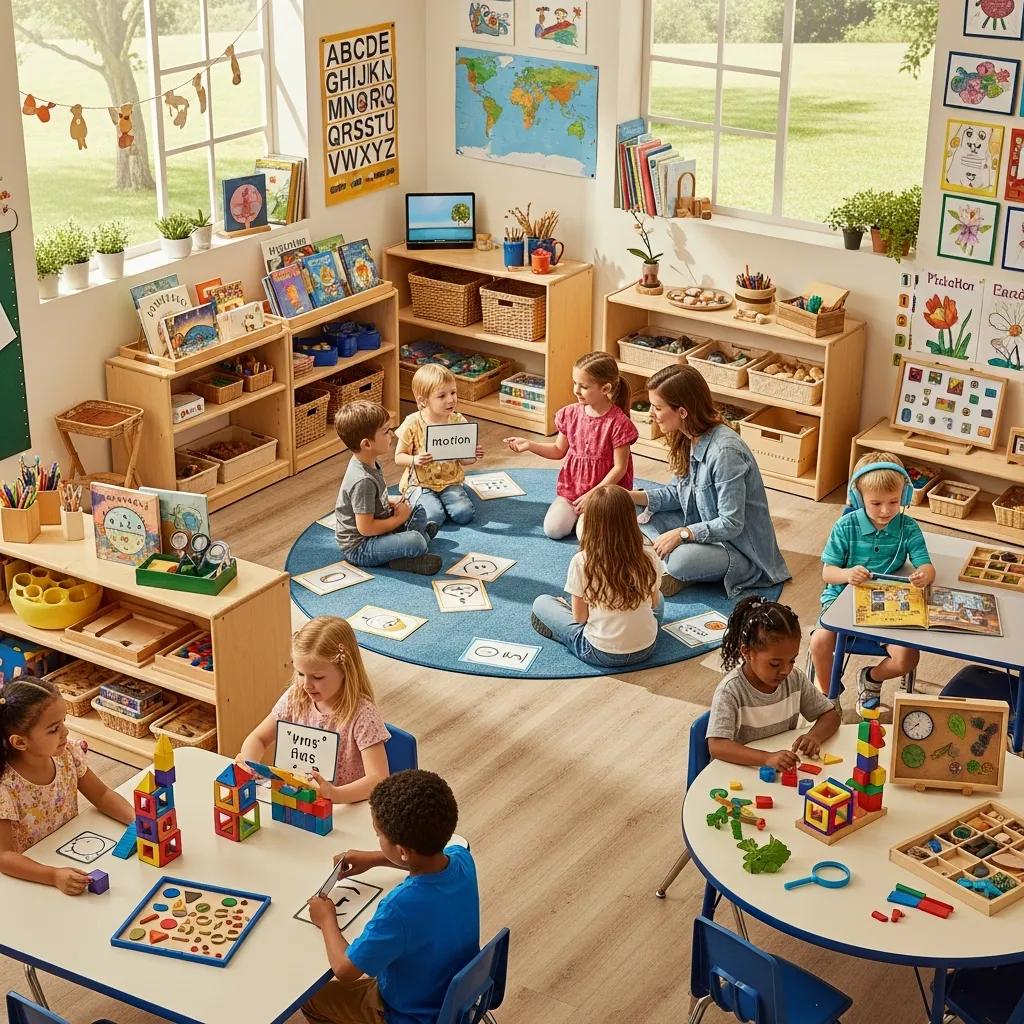
The South Carolina Early Learning Standards outline several learning domains critical to child development. These domains encapsulate all aspects of a child’s growth, ensuring a holistic educational approach that engages their various skills and abilities.
How Is Social-Emotional Development Addressed?
Social-emotional development is a vital component of the SC Early Learning Standards, with specific goals set for children to develop self-awareness, emotional regulation, and interpersonal skills. Educators are encouraged to use assessment tools that gauge children’s progress in these areas, promoting a nurturing environment where children learn to interact positively with peers and manage their emotions effectively.
What Cognitive and Language Development Milestones Are Included?
Cognitive and language development milestones are closely monitored within the standards framework. Educators focus on promoting critical thinking, problem-solving, and language acquisition, all foundational for later academic success. Standards specify age-appropriate benchmarks that help educators track progress in these essential developmental areas, ensuring that children are meeting key cognitive milestones as they prepare for school.
How Are South Carolina Early Learning Standards Applied to Preschool Curriculum?
The application of the SCELS in preschool curricula is essential for providing children with educational experiences aligned with state expectations. These standards guide educators in designing learning activities that are both engaging and effective in promoting child development.
What Are the Steps for Curriculum Alignment with Standards?
Curriculum alignment with the South Carolina Early Learning Standards involves several key steps. Educators begin by reviewing the standards to understand the expected outcomes. Next, they design lesson plans incorporating various activities and assessments that reflect these outcomes. Professional development opportunities are often provided to help educators refine their approaches and enhance curriculum effectiveness.
How Do Educators Integrate Child Development Domains into Lesson Plans?
Educators integrate the developmental domains outlined in the SC Early Learning Standards into their lesson plans through thematic units, interactive activities, and assessments. By utilizing a variety of instructional strategies, educators create comprehensive learning experiences that address social, emotional, cognitive, and physical development, promoting a well-rounded approach to early education.
Which Assessment and Evaluation Methods Measure Kindergarten Readiness in SC?
Assessment and evaluation methods are vital for measuring children’s readiness for kindergarten in South Carolina. These methods help educators identify children’s strengths and areas requiring support, ultimately guiding instruction and intervention.
What Types of Early Learning Assessment Tools Are Recommended?
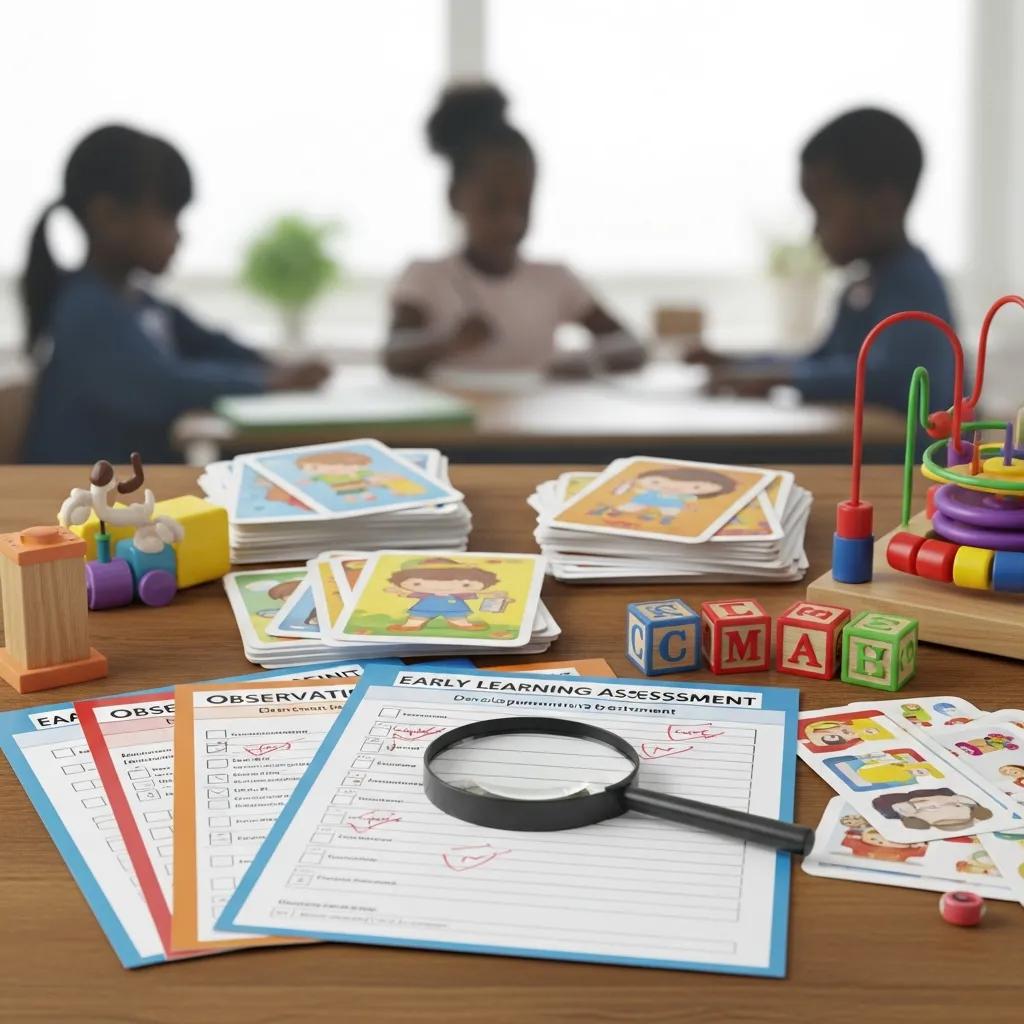
Various assessment tools are recommended for evaluating early learning in South Carolina. These tools include observation checklists, standardized assessments, and developmental screening instruments that provide valuable insights into a child’s readiness for school. The use of these tools allows educators to implement targeted teaching strategies that address individual children’s needs.
How Do Assessments Inform Instruction and Child Development?
Assessments play a critical role in informing instruction and supporting child development. By analyzing assessment data, educators can tailor their teaching approaches to meet children’s unique learning styles and developmental trajectories. This feedback loop ensures that instruction is responsive and effective, ultimately contributing to better learning outcomes for children.
What Resources Support Early Educators and Parents in South Carolina?
A variety of resources are available to support both early educators and parents in South Carolina, aiding them in their efforts to foster child development and learning. These resources include official guidelines, professional development opportunities, and various educational materials.
Which Official Documents and Guidelines Are Available?
Numerous official documents and guidelines are provided by the South Carolina Department of Education to support educators in implementing the Early Learning Standards. These documents outline best practices, age-appropriate expectations, and resources for curriculum development, ensuring that educators have the information they need to effectively guide children’s learning.
How Can Educators Access Training and Professional Development?
Educators in South Carolina can access training and professional development through workshops, online courses, and state-sponsored conferences. These opportunities allow educators to enhance their understanding of the Early Learning Standards and implement strategies that align with these guidelines. Continuous professional development is essential for maintaining high-quality early childhood education and meeting the evolving needs of children and families.
Support Your Child's Early Learning Journey
If you are looking for a nurturing preschool and daycare in Mount Pleasant, SC, The Sweetgrass School offers programs for children ages 6 weeks to 5 years, a play-based early learning environment, and a simple enrollment process for local families.