
Potty Training Tips and Readiness Signs
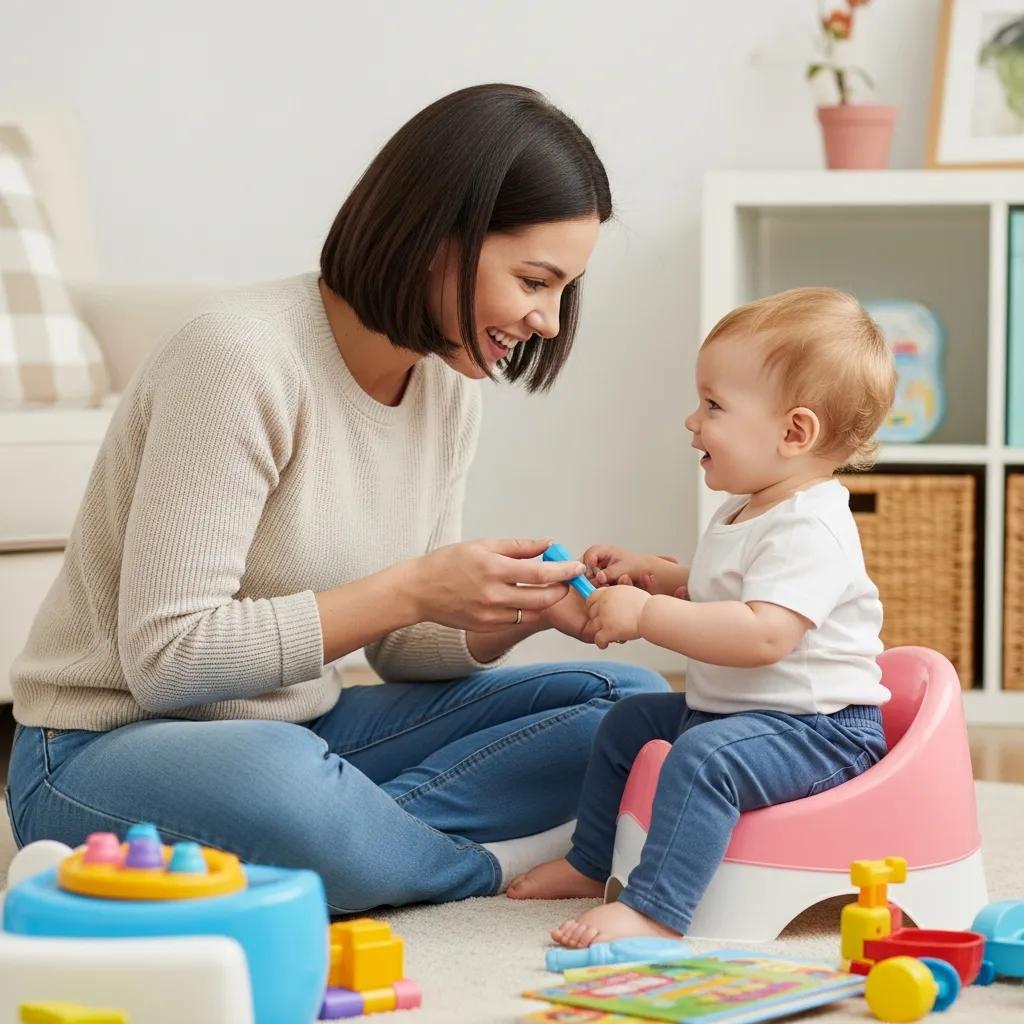
Potty Training Tips and Readiness Signs: How to Start and Succeed with Toddlers
Potty training is a significant milestone in a child’s development, marking their transition from diapers to using the toilet independently. Understanding the signs of readiness and the right techniques can greatly influence a positive potty training experience. Parents will learn to identify developmental milestones, behavioral cues, and practical methods to ensure their toddlers are adequately prepared for this important phase. This article delves into key aspects of potty training, including readiness signs, step-by-step methods, common challenges, useful tools, customization for special needs, and expert timing recommendations. By addressing these areas, caregivers can foster a supportive and effective potty training process for their children.
What Are the Key Signs of Potty Training Readiness in Toddlers?
Identifying the signs of potty training readiness is crucial for a successful transition. Readiness varies widely among toddlers, but several key indicators can signal when a child is prepared to start potty training. These signs generally encompass physical and developmental milestones, as well as specific behavioral cues that reflect a child’s growing interest and ability to use the toilet effectively.
Which Physical and Developmental Milestones Indicate Readiness?

Physical milestones are often the first signs that a toddler is ready to begin potty training. For instance, a child demonstrating bladder control by staying dry for several hours or waking up dry from naps may be signaling readiness. Developmentally, children should also be able to follow simple instructions and communicate their needs effectively. These markers are essential as they indicate the child’s physical ability to engage in the toilet learning process successfully.
What Behavioral and Cognitive Cues Should Parents Watch For?
In addition to physical readiness, parents should observe specific behavioral and cognitive cues. For example, a toddler may start showing interest in adult bathroom habits, expressing a desire to use the toilet, or displaying signs of embarrassment when soiled. Furthermore, an inclination towards independence, such as wanting to dress themselves, can also indicate readiness. These insights are vital for parents in deciding the appropriate time to start potty training.
How to Start Potty Training: Step-by-Step Methods and Best Practices
Starting the potty training process requires a thoughtful approach that aligns with the child’s readiness. Employing effective methods and establishing a routine can significantly enhance the training experience for both parents and toddlers. Understanding different techniques and the importance of consistency can pave the way for smoother transitions from diapers to toilet use.
What Are Effective Potty Training Techniques for Toddlers?
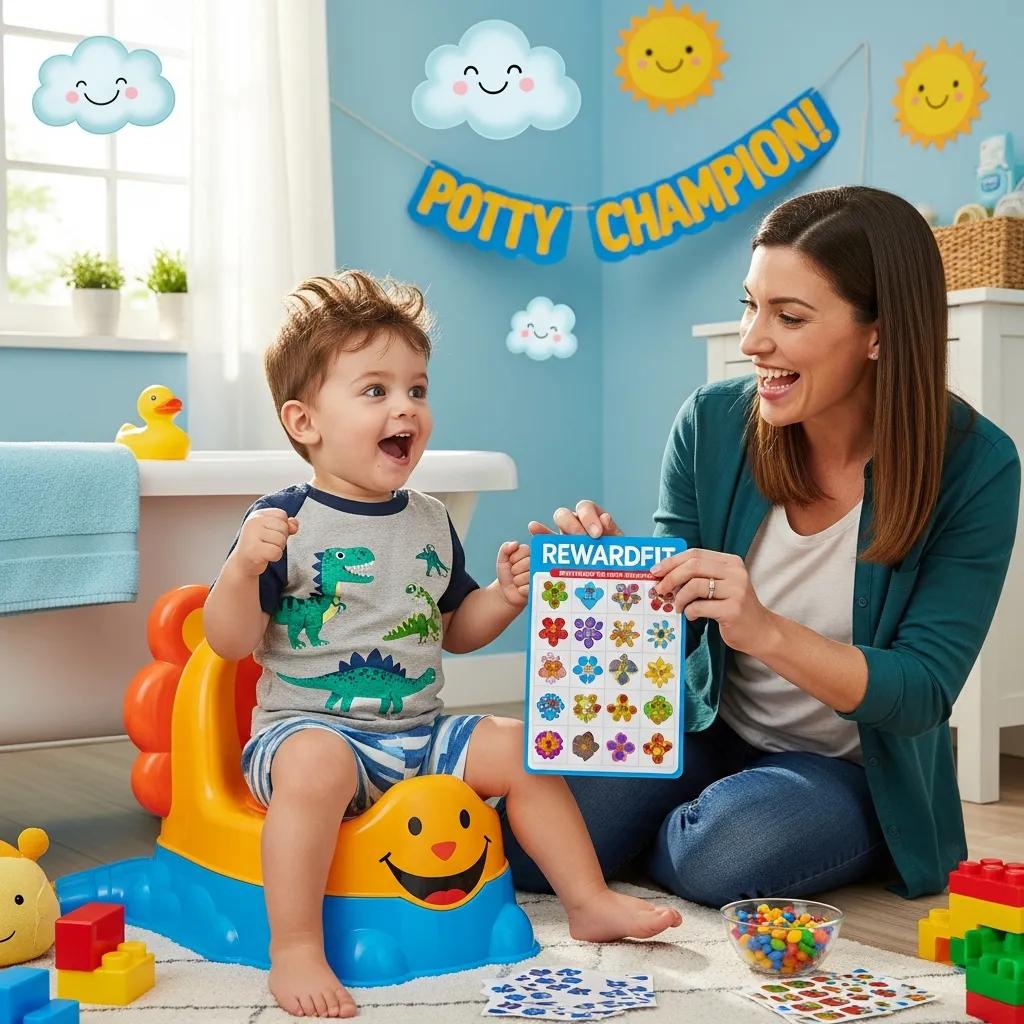
Several effective techniques can be implemented when initiating potty training for toddlers. For instance, introducing a potty chair in a positive manner can help facilitate interest. Parents may also find that implementing reward systems, such as stickers or small treats after successful attempts, fosters motivation and reinforces positive behavior. These methods can create an encouraging environment for the child, making the transition less daunting.
How Can Parents Establish a Consistent Potty Training Schedule?
Establishing a consistent potty training schedule plays a vital role in reinforcing the new habit. Parents should aim to schedule regular potty breaks throughout the day, especially after meals or naps when a toddler is more likely to need to go. Keeping a potty training chart can help track the child’s progress and maintain a structured routine. Monitoring the child’s comfort and readiness during this process is equally important, as it can help identify any necessary adjustments.
What Are Common Challenges During Potty Training and How to Manage Them?
Potty training can present several challenges for both toddlers and their parents. Understanding these common hurdles and having strategies in place to address them can alleviate frustration during the process. From dealing with accidents to recognizing regression signs, being prepared for obstacles can help parents navigate this transitional phase smoothly.
How to Handle Accidents, Training Setbacks, and Regression?
Accidents are a normal part of potty training, and responding appropriately is crucial. Parents should remain calm and positive when accidents happen, as negative reactions can discourage the child. Identifying triggers for regressions, such as changes in routine or stress, can also be helpful. Addressing these underlying factors and maintaining a reassuring atmosphere can ensure the child feels safe during this learning experience.
When Should Parents Seek Additional Support for Potty Training?
Sometimes, parents may encounter persistent challenges that warrant seeking additional support. Signs that professional guidance may be needed include consistent issues with the child’s readiness, prolonged daytime or nighttime accidents, or behavioral challenges surrounding toilet use. Consulting a pediatrician or a child psychologist can provide strategies tailored to the child’s specific needs, ensuring a well-rounded approach to potty training.
What Tools and Equipment Support Successful Potty Training?
Utilizing appropriate tools and equipment can significantly enhance the potty training experience. From potty chairs to training pants, there are various resources available to assist parents and toddlers in this journey. Understanding the features and benefits of these tools can help families make informed decisions that contribute to effective toilet learning.
Which Types of Potty Chairs and Training Pants Are Recommended?
When selecting potty chairs, parents should consider options that are age-appropriate and comfortable for their child. Portable potty chairs, for instance, are convenient for travel and can help establish a routine outside the home. Training pants are essential for toddlers who may not yet be fully ready for underwear; options such as pull-ups can provide a sense of independence while minimizing accidents. The right products can contribute significantly to a child’s confidence and success in potty training.
How to Adapt Equipment for Daytime Versus Nighttime Training?
Adapting equipment for different scenarios, such as daytime and nighttime training, is crucial for a consistent potty training experience. Daytime training may involve using a standard potty chair, while nighttime may require specific products like waterproof mattress covers or nighttime training pants. Adjusting equipment as needed ensures children maintain success throughout the day and night, fostering their confidence in their toilet learning journey.
How to Customize Potty Training for Special Considerations and Diverse Needs?
Every child is unique, and customizing potty training approaches to cater to special considerations or diverse needs can significantly impact the effectiveness of the training process. Understanding individual differences and adapting methods accordingly is essential for parents navigating this journey with their toddlers.
What Are Strategies for Neurodiverse or Special Needs Children?
For neurodiverse children or those with special needs, implementing individualized training plans can enhance the effectiveness of potty training. Collaborating with professionals such as occupational therapists may help design tailored strategies that accommodate specific learning styles and sensory sensitivities. Being patient and flexible in their approach while celebrating small victories can greatly support the child’s success.
How to Recognize and Accommodate Individual Child Readiness Variations?
Recognizing that readiness for potty training can vary significantly among children is important for parents. Implementing assessment strategies, such as observing behaviors and physical cues, can help determine when to start. Customizing potty training approaches to align with the individual child’s pace and unique readiness signals will ultimately yield better results, ensuring a supportive and encouraging environment for successful toilet learning.
When Is the Best Time to Start Toilet Training: Age Guidelines and Pediatric Recommendations?
Determining the optimal time to begin toilet training can greatly influence the overall success of the process. Age guidelines and recommendations from pediatric experts can provide valuable insights when considering the best approach for each individual child. Understanding the interplay between age and readiness can ensure a smooth transition from diapers.
What Does Recent Pediatric Research Say About Starting Ages?
Recent pediatric research emphasizes that the average age for potty training readiness falls between 18 and 36 months. However, children may show readiness signs earlier or later, which is entirely normal. Studies suggest that starting too early can lead to frustration for both the child and parents, reinforcing the importance of gauging individual readiness rather than adhering strictly to age guidelines.
How Do Developmental Readiness and Age Interrelate for Successful Training?
Developmental readiness often coincides with age, but each child progresses at their own pace. Children who reach physical and cognitive milestones sooner may be ready to start potty training before those who take longer to develop. It is essential for parents to remain observant and patient, adapting their approach based on the child’s unique journey toward becoming independent in toilet use.