
Parents' Guide to Childcare Monitoring Tech
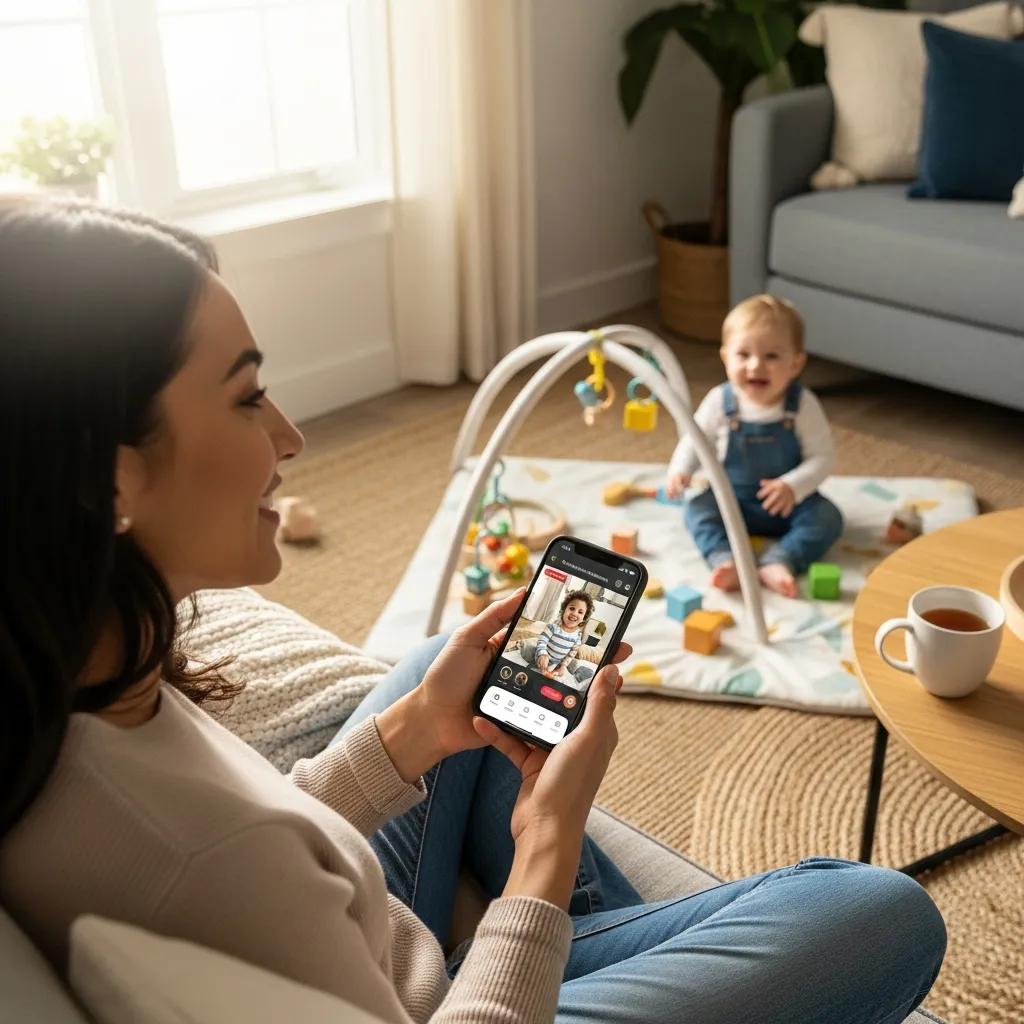
Parents' Guide to Childcare Monitoring Tech: Understanding and Using Childcare Camera Monitoring Systems
As parents navigate the complexities of childcare, the integration of monitoring technology has become increasingly essential. Childcare monitoring systems offer various benefits, such as enhancing parental peace of mind while ensuring child safety. This guide provides a comprehensive understanding of childcare monitoring technology, including its functions, privacy considerations, trusted products, and ethical practices. Parents will learn how to effectively utilize monitoring systems to support child development while maintaining their privacy. The article will cover the operational mechanisms of monitoring technology, relevant privacy laws, trustworthy products, best practices for ethical usage, and strategies for maximizing engagement and benefits from these systems.
What is Childcare Monitoring Technology and How Does It Work?
Childcare monitoring technology encompasses a range of systems designed to oversee the safety and well-being of children in care settings. These systems utilize video surveillance and real-time monitoring platforms to provide parents with visual access to their children’s environment. These features not only foster trust between parents and care providers but also encourage proactive engagement in their child’s day-to-day activities. By leveraging technology, caregivers can ensure children’s safety while offering transparency through visuals.
Defining Childcare Video Surveillance and Real-Time Monitoring Platforms
Childcare video surveillance involves the use of cameras installed in childcare settings to capture visual and audio data. Real-time monitoring platforms allow parents to view this data live, ensuring they remain connected to their children throughout the day. Key features of these systems often include secure access methods, motion detection alerts, and cloud storage options for recorded footage, empowering parents with immediate insights into their child’s care environment.
Web-Based Real-Time Child Surveillance for Guardians
This platform serves as a command center for guardians, allowing them to seamlessly access live feeds from the camera, receive real-time alerts, and communicate with caregivers. By integrating these advanced features, we aim to redefine the paradigm of childcare.
Web-Based Real-Time Child Surveillance System, KS Shashikala, 2025
This integration of advanced features aims to redefine the paradigm of childcare by making real-time monitoring accessible and beneficial for parents.
How Do Parents Access and Use Monitoring Systems Securely?
Ensuring secure access to childcare monitoring systems is paramount for protecting privacy. Parents should utilize strong, unique passwords for their accounts and regularly update them. Enabling two-factor authentication adds an extra layer of security. Furthermore, utilizing secure Wi-Fi networks and regularly reviewing access logs can help identify any unauthorized attempts to access monitoring systems, allowing parents to maintain control over the technology they employ.
What Privacy Considerations and Legal Regulations Affect Childcare Monitoring?
Privacy and legal implications significantly influence the deployment of childcare monitoring technology. Understanding these regulations fosters a responsible and transparent use of monitoring systems by parents and childcare centers alike. Implementing these legal guidelines is essential for safeguarding children and managing sensitive information competently.
Which Edtech Privacy Laws and Guidelines Should Parents Know?
Parents should familiarize themselves with key educational technology (Edtech) privacy laws that impact childcare settings. Important regulations include the Family Educational Rights and Privacy Act (FERPA) and the Children’s Online Privacy Protection Act (COPPA). These laws protect children’s personal information and ensure that they receive adequate notification regarding how their data is collected and utilized. Gaining insight into these laws empowers parents to make informed decisions about the monitoring technology they choose.
How Do Childcare Centers Comply with Privacy Policies?
Compliance with privacy policies involves adherence to both federal regulations and best practices established by the childcare industry. Childcare centers must implement stringent policies on data collection, storage, and sharing to ensure parental trust in their monitoring systems. Regular training for staff on privacy practices and consistent network security measures further ensure that monitoring systems comply with established privacy laws, thereby providing a safe environment for children.
Privacy-Preserving Childcare Safety Services in Ubiquitous Computing
In this paper, we derive the security requirements of a child-care and safety service and establish a conceptual model satisfying the requirements. Based on the system model, we propose a privacy-preserving location supporting protocol for a child-care and safety service in a ubiquitous computing environment.
A scalable and privacy-preserving child-care and safety service in a ubiquitous computing environment, K Kim, 2012
To better protect children, researchers have proposed conceptual models and protocols for privacy-preserving childcare safety services in ubiquitous computing environments.
Which Childcare Camera Monitoring Products and Brands Are Trusted?
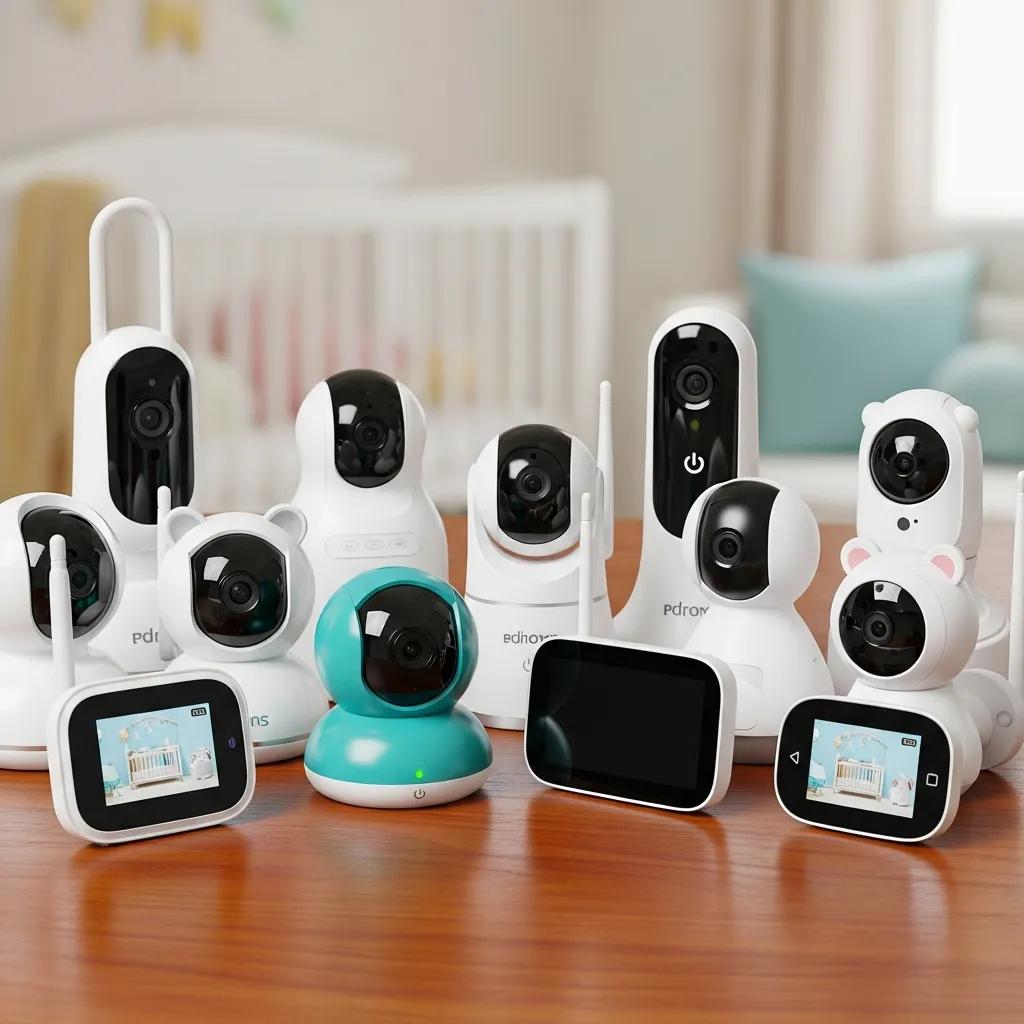
Several childcare camera monitoring products have proven to be effective and trustworthy. Understanding the features of various systems helps parents make informed choices regarding their monitoring needs.
What Features Does WatchMeGrow Offer for Childcare Video Monitoring?
WatchMeGrow is a recognized brand in childcare video monitoring, offering features such as high-definition video streaming, two-way communication capabilities, and gentle alerts for parents. Furthermore, it emphasizes secure cloud storage, ensuring that all recordings are safely archived and easily retrievable when needed. These features not only enhance monitoring capabilities but also promote interactive communication between parents and childcare providers.
How Do Alternative Monitoring Systems Compare in Security and Functionality?
When evaluating alternative monitoring systems, parents should consider critical features such as encryption standards, user interfaces, and accessibility options. Systems like Nanit and Owlet are known for their unique selling points, such as sleep tracking and health monitoring features. Comparative analysis helps parents make educated decisions based on their specific needs regarding security and functionality in childcare settings.
| Brand | Key Features | Security Measures |
|---|---|---|
| WatchMeGrow | HD streaming, two-way audio, cloud storage | AES encryption, secure access protocols |
| Nanit | Sleep tracking, temperature monitoring | Data anonymization, secure servers |
| Owlet | Health monitoring, live streaming | Encrypted video transmission |
This comparison illustrates the value each brand contributes, allowing parents to identify the best options suited to their childcare monitoring requirements.
What Ethical Issues and Best Practices Should Guide Monitoring Use?

The deployment of monitoring technology raises ethical considerations concerning privacy and surveillance. Parents and childcare centers must navigate these concerns to foster a respectful environment for both children and caregivers.
How Can Parents and Centers Balance Surveillance with Child Privacy?
Balancing surveillance with child privacy necessitates transparent communication between parents, childcare centers, and children. Parents should discuss monitoring systems with caregivers, ensuring that the extent of surveillance respects children’s autonomy. Implementing guidelines that define appropriate use, such as accessing footage only in response to specific concerns, helps maintain this balance.
Childcare Camera Surveillance: Educator Opinions & Parent Relationships
In recent years, surveillance cameras have become common in the education system, in early childhood child-care centres as well as in preschools and schools. Public opinion regarding the usage of security cameras in early childhood institutions is constantly increasing due to a growing number of incidents exhibiting child abuse by caregivers. However, meagre attention is given to the use of security cameras in early childhood child-care centres and preschools in the literature. We examined the opinions of child care teachers and caregivers about the implications of implementing cameras in child-care centres routines and how they reshape the relationships with parents and caregivers in Israeli child-care centres. Implications of CCTV cameras on child-care centres’ routines, peer relationships, and parent–teacher relationships: child care educators’ opinions, H Meishar-Tal, 2022
The increasing prevalence of surveillance cameras in childcare settings, driven by concerns over child abuse, has led to discussions about their implications for routines and relationships between parents and caregivers.
What Are Recommended Safety and Security Practices for Monitoring Tech?
Safety measures for utilizing childcare monitoring technology include regular software updates and audits of access permissions. Parents should also ensure that devices are physically secure within childcare settings to prevent tampering. Establishing clear protocols for data storage and retrieval while safeguarding against breaches of privacy is essential to mitigate risks associated with monitoring technology.
How Can Parents Maximize Engagement and Benefit from Monitoring Technology?
Engaging effectively with monitoring technology requires knowledge of its features and potential benefits. Parents can leverage these tools to enhance their involvement in their child’s care and development.
What Are Tips for Effective Use of Childcare Monitoring Apps?
To maximize the benefits of childcare monitoring apps, parents should familiarize themselves with all features and settings. Taking advantage of real-time notifications, engaging in two-way communication, and reviewing recorded footage helps parents stay actively involved in their child’s daily life. Regular engagements and interactions via the app can foster deeper connections and understanding of the child’s environment, ultimately supporting their emotional development.
How Does Monitoring Tech Support Child Development and Safety?
Monitoring technology plays a multifaceted role in supporting child development and safety. By providing parents with peace of mind, these systems allow for greater focus on the quality of engagement and interaction with children. Additionally, real-time feedback through these monitoring systems can inform caregivers of children’s needs and concerns, further enhancing their overall safety and well-being.
What Common Questions Do Parents Have About Childcare Monitoring Technology?
Parents often seek clarity on the functionalities and limitations of childcare monitoring technology. Addressing these questions builds confidence and trust in their usage.
Can Parents Watch Live Video of Their Children in Daycare Settings?
Yes, many childcare monitoring systems allow parents to watch live video feeds of their children while they are in daycare settings. This real-time access provides parents with reassurance regarding their child’s safety and well-being throughout the day.
How Are Video Surveillance Cameras Secured Against Privacy Risks?
To mitigate privacy risks associated with video surveillance, childcare centers should implement encryption protocols to protect transmitted video feeds. Regular audits of access logs and adherence to secure data storage strategies further enhance the overall safety of video surveillance systems, ensuring that children’s privacy is a top priority.