
Creative Art Projects for Babies and Toddlers
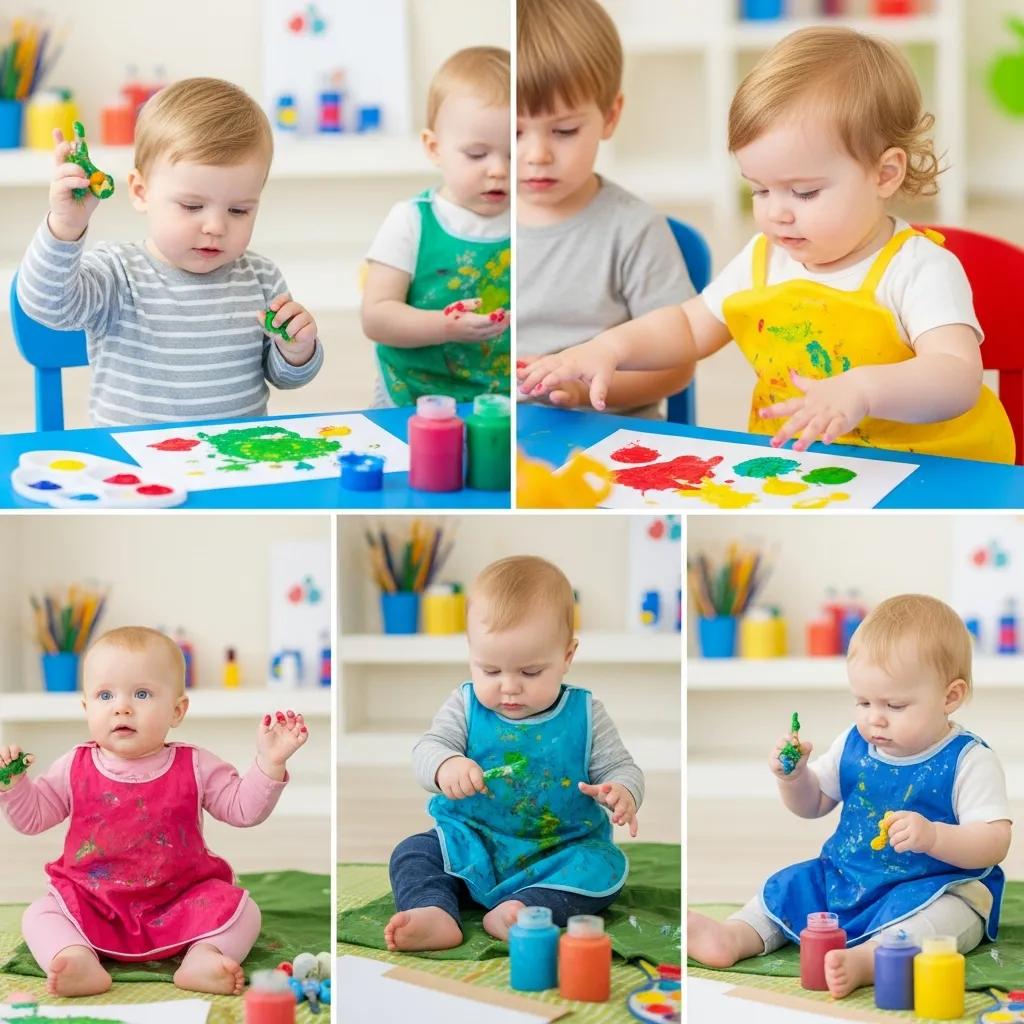
Creative Art Projects for Babies and Toddlers: Easy, Safe, and Developmental Activities for Parents
Creative art projects serve as a pivotal avenue for development in babies and toddlers, effectively integrating learning with fun. Engaging in these activities enables children to explore their creativity while simultaneously enhancing their motor and cognitive skills. Through art, young minds learn about colors, textures, and shapes, fostering their imaginative capabilities and problem-solving abilities. This article will discuss the myriad benefits of creative art projects, detail the safest materials parents can use, and provide age-appropriate project ideas. We’ll also explore effective ways for parents to engage with their children during these creative experiences and outline crucial safety guidelines to follow.
What Are the Benefits of Creative Art Projects for Babies and Toddlers?
Creative art projects provide a wealth of benefits for babies and toddlers, contributing to various aspects of their development. These activities not only stimulate the imagination but also promote cognitive growth and emotional expression. Active participation in art helps young children develop their fine motor skills as they manipulate various materials, leading to improved coordination and dexterity. Additionally, creative play fosters social skills when they interact with peers during group activities.
How Does Art Promote Child Development and Motor Skills?
Art facilitates child development in numerous ways. It enhances fine motor skills through activities like painting, cutting, and gluing, as toddlers learn to control various tools and materials. This process helps in improving hand-eye coordination, essential for tasks like writing and self-feeding later on. By engaging in artistic activities, children practice precise movements, which can greatly benefit their overall physical development. Moreover, these tasks provide a platform for children to express their emotions and ideas, boosting their self-esteem as they create something uniquely their own.
Which Cognitive and Emotional Advantages Result from Early Creative Play?
The cognitive and emotional advantages of early creative play are significant. Engaging in art allows children to explore their feelings and express their thoughts without the constraints of language. This form of expression can lead to better emotional regulation as they learn to convey their emotions through art. Critical thinking and problem-solving skills are also developed as children decide how to approach and complete their projects, making choices that encourage independent thinking. Additionally, early exposure to creative activities fosters increased creativity, which is crucial for innovative thinking later in life.
Which Safe Art Materials Are Best for Babies and Toddlers?
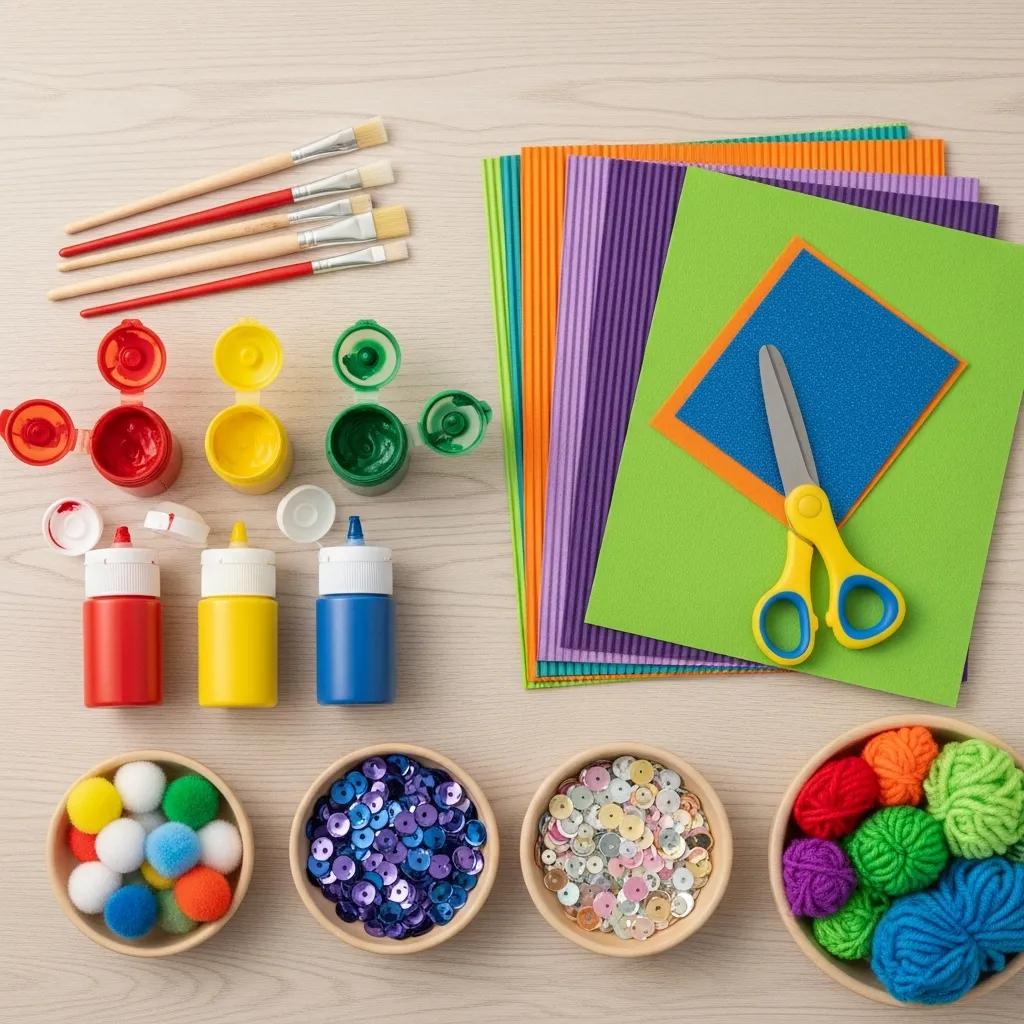
Choosing safe art materials is paramount for ensuring that children can enjoy creative activities without risk. Non-toxic and child-safe supplies should always be prioritized as children are prone to putting objects in their mouths. The right materials can inspire creativity while keeping safety in focus. Parents should look for art supplies that meet safety standards and are designed specifically for young children.
What Non-Toxic Supplies Should Parents Choose for Toddler Crafts?
Here are some recommended non-toxic supplies for toddler crafts:
- Baby-Safe Paints: Look for washable, non-toxic paints that are free from harmful chemicals, ensuring they are safe for little hands.
- Craft Paper: Choose brightly colored or textured craft paper that is safe for children to handle and play with.
- Safety Scissors: Scissors designed for toddlers typically feature rounded edges, making them safer for young children to use under supervision.
Research further emphasizes the importance of non-toxic materials for early childhood development and sensory engagement.
Non-Toxic Finger Paint for Early Childhood Sensory Development
1. Art activities are crucial for fostering creativity and emotional expression in early childhood education, yet many commercial art materials pose health risks due to hazardous substances. This study successfully developed a non-toxic, affordable homemade finger paint using tapioca starch, demonstrating its effectiveness in enhancing sensory development and engagement among young children while promoting eco-conscious practices.
Enhancing creativity and sensory development with eco-conscious art materials in early childhood settings, WL Huang, 2026
How Can Parents Ensure Environmental Sustainability in Art Projects?
Sustainability in art projects can be achieved by considering eco-friendly materials and practices. Parents can encourage recycling and upcycling by using materials from around the house, such as cardboard boxes, old magazines, and fabric scraps. Additionally, opting for non-toxic, biodegradable art supplies helps reduce environmental impact. Educating children about the importance of sustainability during art activities can foster a sense of responsibility toward the environment.
What Easy and Age-Appropriate Art Projects Suit Babies and Toddlers?
When selecting art projects, it is vital to consider the child’s age and developmental stage. Engaging in age-appropriate projects ensures that children can participate successfully and enjoyably.
Which Creative Art Ideas Are Suitable for 0–12 Months Old Babies?
For infants aged 0-12 months, sensory exploration is key. Here are some simple art ideas:
- Finger Painting: Using baby-safe paints, let infants explore colors with their hands, making sensory connections.
- Sponge Stamping: Cut sponges into various shapes and let babies dab them in paint to create patterns on paper.
- Texture Play: Create a texture board with various safe items (e.g., fabric, bubble wrap) for babies to feel and explore.
What Fun Toddler Crafts and Preschool Painting Ideas Work for 1–3 Year Olds?
As children grow into the toddler age group (1-3 years), their projects can become a bit more complex. Suggested activities include:
- Nature Collages: Collect leaves, flowers, and twigs during outdoor play and glue them onto paper to create a nature-inspired collage.
- Sponge Painting: Use different sponge shapes and sizes to create vibrant artworks; toddlers love the squishy feel and vibrant colors.
- Homemade Play Dough: Making play dough at home provides a hands-on experience that allows toddlers to mold and create freely.
How Can Parents Engage Effectively in Creative Art Activities with Their Children?
Active parental involvement can greatly enrich the art experience for children. Not only does engagement enhance the child’s learning, but it also builds strong bonds between parents and children.
What Role Does Parental Involvement Play in Sensory and Motor Skill Development?
Parental involvement in creative activities fosters an environment of support and encouragement. When parents actively participate, they can guide their children through tasks and help them develop sensory and motor skills through direct interaction. This involvement can boost a child’s confidence and willingness to explore new activities. Research indicates that children whose parents engage in art projects tend to develop better cognitive skills and emotional intelligence.
How Can Parents Create a Safe and Stimulating Art Environment at Home?
Creating a stimulating art environment at home involves several key strategies:
- Designated Art Space: Set up a specific area for art activities with child-sized tables and chairs that encourage creativity while being safe.
- Storage for Supplies: Organize art materials in easily accessible bins or trays, fostering independence and allowing children to choose their supplies freely.
- Safety Guidelines: Teach children the rules of using art materials responsibly, such as handling scissors correctly and cleaning up after activities.
What Safety Guidelines Should Be Followed During Baby and Toddler Art Projects?
Ensuring safety during art projects is crucial for a worry-free experience for both parents and children. By implementing safety protocols, parents can help their little ones express themselves without harm.
How to Identify and Avoid Potential Hazards in Art Materials and Activities?
Awareness of potential hazards is the first step in ensuring a safe art environment. Parents should assess all materials and eliminate any items containing small parts or toxic substances. Regularly inspecting supplies for damage or wear can prevent accidents.
What Are Recommended Practices for Hygiene and Clean-Up After Art Sessions?
Post-activity hygiene is vital in maintaining a safe and healthy environment. Recommended practices include:
- Hand Washing: Ensure children wash their hands thoroughly before and after art activities to minimize the risk of allergens and toxins.
- Clean Tools and Surfaces: After each session, clean all tools and surfaces to prevent contamination, particularly if multiple children are involved.
- Safe Disposal: Properly discard used materials that could pose a risk, such as broken crayons or used glues. This includes educating children about cleaning up their work areas.
With these strategies in place, parents can confidently foster creativity through safe and engaging art projects that help babies and toddlers develop essential skills and a love for creativity.