
Recognizing Developmental Delays and Early Intervention

Recognizing Developmental Delays and Early Intervention: Comprehensive Guide to Screening, Signs, and Support Programs
Understanding developmental delays in children is crucial for promoting their growth and development. These delays can impact a child’s ability to acquire skills expected at certain ages, such as walking, communicating, and playing. Recognizing these delays early allows for prompt intervention, which can significantly improve a child’s outcomes. This comprehensive guide explores the importance of identifying developmental milestones, the signs of potential delays, effective screening methods, and the early intervention programs available to support children and their families. By understanding these concepts, parents and caregivers can better navigate the complexities associated with developmental delays.
What Are Developmental Milestones and How Can They Help Detect Delays?
Developmental milestones are specific skills or behaviors that children typically achieve at certain ages. These benchmarks include various physical, emotional, social, and cognitive skills that provide a framework for assessing a child’s development. Monitoring these milestones helps in identifying any significant deviations that may indicate delays. Parents and caregivers can use understanding milestones to track progress and recognize when a child may need additional support. By evaluating milestone achievements, it becomes easier to decide when to conduct further assessments or seek help.
Which Age-Appropriate Developmental Milestones Should Parents Monitor?
Parents should be aware of various age-specific milestones to properly monitor their child’s development. For instance:
- Infants (0-12 months): Reacting to sounds and recognizing familiar faces demonstrates social and emotional development.
- Toddlers (1-3 years): Skills such as walking, beginning to talk, and playing alongside other children are crucial markers of growth.
- Preschoolers (3-5 years): These children should start to express emotions, recognize colors and shapes, and engage in more complex play.
Tracking these milestones can help parents identify potential delays and take timely action to provide support.
How to Use Milestone Checklists for Early Delay Recognition
Milestone checklists can serve as valuable tools for parents wishing to monitor their child’s development. By regularly reviewing these checklists, families can track developmental progress effectively. It is important to utilize checklists that are tailored to the child’s age and individual needs. Parents are encouraged to maintain proper records of their child’s milestones, noting any areas of concern. If delays are identified, families should follow up with pediatric healthcare providers promptly to discuss potential evaluations or interventions.
What Are the Common Signs of Developmental Delays, Including Speech and Cognitive Indicators?

Developmental delays can manifest in various ways, often evident through symptoms related to language and cognitive development. Early recognition of these signs can lead to timely support interventions, greatly benefiting the child’s overall development.
What Are Typical Signs of Speech and Language Delays in Early Childhood?
Typical signs of speech and language delays include:
- Limited Vocabulary: Children may struggle with expressing themselves verbally and show a limited range of words.
- Difficulty Following Directions: Children may find it challenging to understand or respond to simple requests or commands.
- Unclear Pronunciation: Pronouncing words incorrectly or not being understood by familiar adults can be indicative of a delay.
These early signs warrant attention, as they can be critical in ensuring that children receive the support they need to improve their communication skills.
How to Identify Cognitive Developmental Disorders Early
Identifying cognitive developmental disorders early on can empower parents to seek appropriate interventions. Key cognitive indicators to watch for include:
- Struggles with Problem-Solving: Difficulty in understanding simple concepts or solving basic puzzles can signal cognitive challenges.
- Lack of Interest in Learning Activities: Children who do not engage in play or educational activities may benefit from a developmental assessment.
- Difficulty with Memory: Challenges in recalling past events or recognizing familiar faces may suggest cognitive delays.
Being proactive in observing these indicators can help facilitate early intervention, ultimately fostering a child’s overall developmental trajectory.
Which Screening and Identification Methods Are Recommended for Early Detection?
Implementing effective screening methods is crucial for the early detection of developmental delays. Pediatric healthcare providers typically utilize various tools and strategies to identify potential concerns.
It is imperative to address the prevalence of developmental delays in children and leverage recent literature that highlights the benefits of early identification through evidence-based strategies for surveillance and screening.
Early Identification & Screening for Developmental Delays
1. This paper outlines the prevalence of developmental delay in children and discusses the recent literature regarding the benefits of early identification and evidence based strategies for developmental surveillance and screening. We describe a systematic approach to the child with developmental delay and the optimal methodology for arriving at the etiologic basis for the delay. A review of the most up-to-date and relevant literature was completed using Pub Med, online databases, and texts. The medical evaluation with specific emphasis on the most recent recommendations for genetic, laboratory and imaging studies is described. The American Academy of Pediatrics algorithm for developmental surveillance and screening is discussed with consideration for the importance of culturally relevant screening tools across populations. In addition, specific screening tools are briefly discussed that may prove beneficial to the primary care provider as he/she implements routine surveillance and screening.Developmental delay: Timely identification and assessment, 2010
What Clinical Screening Tools Detect Motor and Social Delays?
Several clinical screening tools are recommended for detecting motor and social development delays. These include:
- Ages and Stages Questionnaires (ASQ): A parent-completed tool that assesses development at various stages.
- Denver Developmental Screening Test (DDST): This tool helps evaluate developmental progress across several areas.
- Social-Emotional Assessment: This focuses on social skills and emotional health, crucial for understanding a child’s interaction capabilities.
These tools can help identify delays early on, leading to timely and effective interventions.
When and How Should Pediatric Healthcare Providers Conduct Formal Developmental Screenings?
Pediatric healthcare providers should conduct formal developmental screenings during routine well-child visits, especially at critical milestones (usually at 9, 18, and 24 months). It is essential to:
- Follow Standard Protocols: Consistently utilize established screening tools to evaluate developmental metrics.
- Engage Parents in the Process: Encourage parents to provide insights on their child’s development to gain a comprehensive understanding.
- Ensure Timely Follow-Up: If delays are suspected, plan follow-up appointments to assess progress and consider interventions.
Proactive screenings can significantly reduce the likelihood of unrecognized developmental issues in children.
Why Is Early Intervention Critical and What Are the Available Programs?
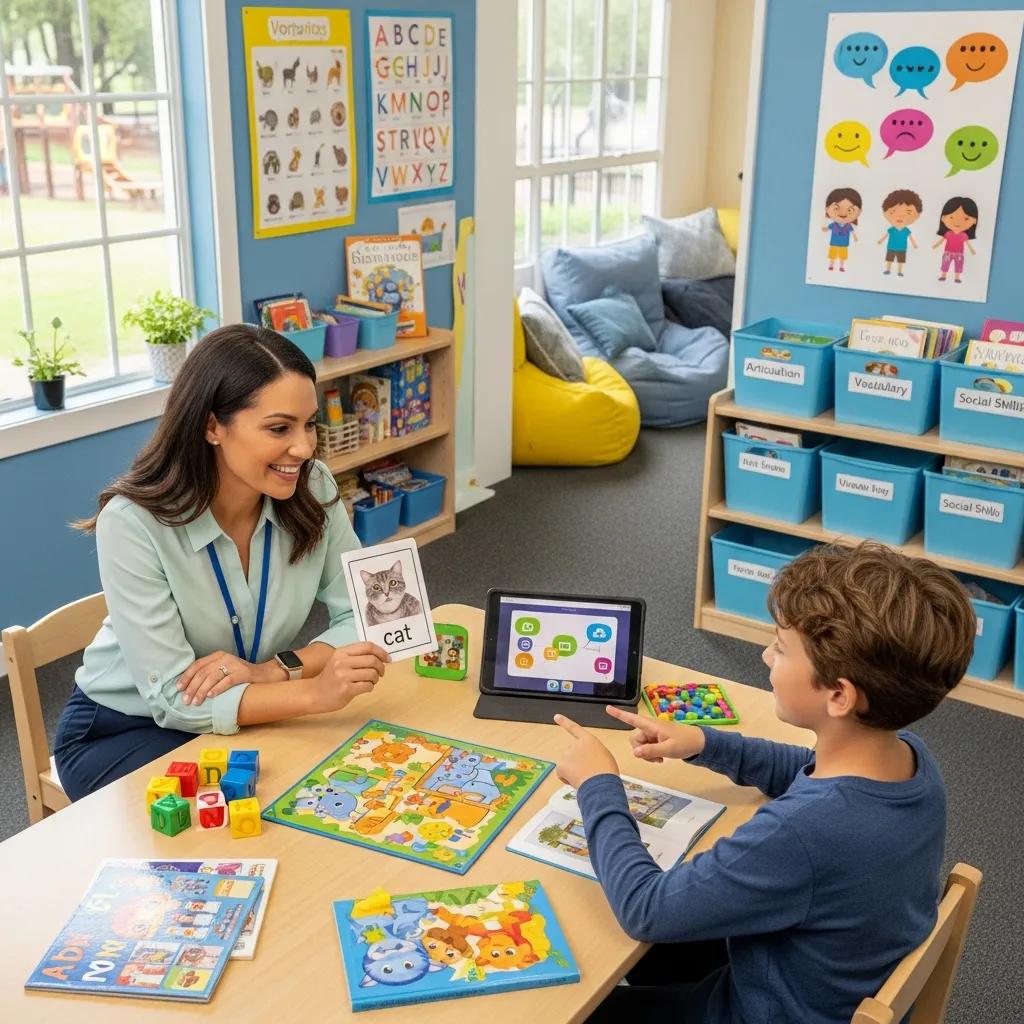
Early intervention plays a pivotal role in minimizing the impact of developmental delays. Research shows that timely support can lead to better overall outcomes for affected children, setting the groundwork for future learning and development.
What Are the Benefits of Early Childhood Intervention Programs for Developmental Delays?
Early intervention programs offer several key benefits, including:
- Improved Developmental Outcomes: Children who receive early support often achieve better physical, social, and cognitive functioning.
- Support for Families: These programs frequently provide training and resources for parents, equipping them to support their child’s development effectively.
- Enhanced Learning Opportunities: Early intervention opens doors to educational resources that build foundational skills necessary for academic success.
These benefits emphasize the importance of engaging in early intervention as soon as potential delays are identified.
How Do Early Intervention Therapies Address Various Delay Types?
Various therapeutic options are available to address different types of developmental delays, such as:
- Speech Therapy: Assists children in developing communication skills through targeted exercises.
- Occupational Therapy: Focuses on improving fine motor skills and daily living activities.
- Physical Therapy: Helps in enhancing gross motor skills and physical capabilities through movement and exercise.
These therapies are designed to respond to specific delays, ensuring that children receive individualized attention based on their unique needs.
What Resources and Support Are Available to Parents for Managing Developmental Delays?
Parents seeking assistance for managing developmental delays can access a variety of resources and support systems. These resources include not only educational materials but also community services that provide direct support.
Where Can Parents Find Reliable Guidance and Educational Resources?
Reliable guidance and resources are vital for parents navigating developmental delays. Trusted sources include:
- Pediatricians: Healthcare providers can direct families towards developmental assessments and local support services.
- Non-profit Organizations: Many organizations focus on childhood development and offer resources for families.
- Government Programs: Local and state programs may provide assistance and education regarding developmental delays.
Connecting with these resources helps parents access vital information and services tailored to their child’s needs.
How Can Families Access Early Intervention Services and Advocate for Their Child?
Accessing early intervention services often requires parents to be proactive advocates for their children. Essential steps include:
- Seek Professional Evaluations: Schedule assessments through pediatricians or local educational programs to confirm developmental delays.
- Research Available Services: Investigate local intervention programs and what they offer to support children with delays.
- Engage with Community Support Groups: Connecting with other families can provide valuable insights and community encouragement.
By following these steps, families can effectively navigate the landscape of support services available for their children.
| Intervention Type | Description | Targeted Skills |
|---|---|---|
| Speech Therapy | Focuses on improving verbal communication abilities | Language and speech skills |
| Occupational Therapy | Enhances daily living and fine motor skills | Self-care, coordination |
| Physical Therapy | Aims at developing gross motor skills and physical activities | Mobility and overall strength |