
Early Literacy and Language Development Strategies

Early Literacy and Language Development Strategies: Effective Methods to Enhance Toddlers' and Preschoolers' Skills
By Sweetgrass School, The Sweetgrass School
Early literacy and language development are crucial for toddlers and preschoolers as they lay the foundation for future learning. Understanding the strategies to enhance these skills can significantly impact a child’s cognitive abilities. This article explores various approaches to early literacy and language development, focusing on effective methods that parents and educators can implement with their children. Readers will gain insights into key language milestones, the role of phonemic awareness activities, and interactive reading strategies that promote literacy. Additionally, we will discuss parental support and assessment tools, providing a comprehensive overview for fostering a rich language environment at home.
What Are the Key Language Milestones in Early Childhood Development?
Language development in early childhood follows specific milestones that indicate a child’s progress in vocabulary and speech. Understanding these milestones helps caregivers support children’s language growth effectively. Generally, toddlers reach particular vocabulary goals between 12 and 36 months, while preschoolers refine their receptive and expressive language skills, preparing them for academic success.
Which milestones indicate typical toddler vocabulary growth?
Between the ages of 12 and 24 months, toddlers typically expand their vocabulary from a few words to about 50 words. As they approach their second birthday, many can combine two words to form simple sentences. Variability exists among children; however, identifying these milestones is crucial. Caregivers can encourage vocabulary growth by engaging in conversations and reading together.
How do preschool children progress in receptive and expressive language?
By ages 3 to 5, preschoolers demonstrate significant improvement in both receptive and expressive language skills. They can follow simple instructions, answer questions, and articulate their thoughts more clearly. During this stage, children learn to differentiate between receptive language, which involves understanding words and sentences, and expressive language, which involves their ability to communicate effectively. Encouraging interaction through play and storytelling can enhance these skills further.
How Do Phonemic Awareness Activities Support Early Literacy?
Phonemic awareness is a critical component in early literacy development, as it involves the ability to identify and manipulate individual sounds in words. Engaging in phonemic awareness activities helps children develop the foundational skills necessary for reading and spelling. Through playful and interactive methods, caregivers and educators can foster these essential skills early on.
What are effective phonological awareness games for toddlers?
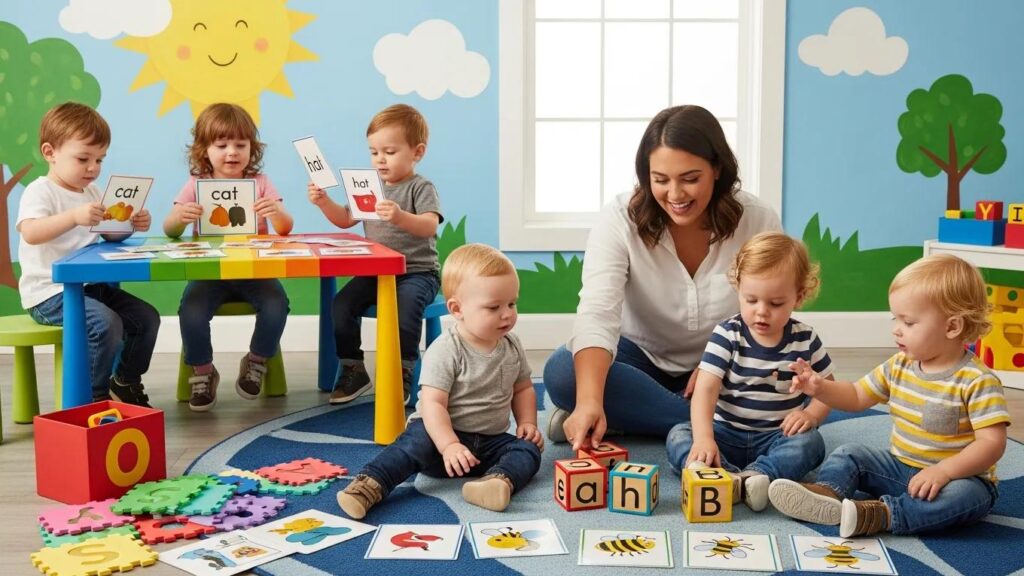
Several engaging games can improve phonological awareness among toddlers. These include:
- Rhyming Games: Encouraging toddlers to identify and create rhymes fosters sound recognition.
- Sound Matching: Using everyday objects to match sounds helps enhance auditory discrimination.
- Segmenting Words: Breaking words into individual sounds during play promotes early reading skills.
These activities not only make learning fun but also reinforce critical literacy skills.
How do phonemic awareness strategies improve reading readiness?
Effective phonemic awareness strategies significantly improve children’s reading readiness by developing their understanding of sound-letter relationships. For instance, when children connect sounds with letters, they become more adept at decoding words. Research supports that early exposure to these strategies leads to better outcomes in reading fluency and comprehension as they progress through school.
Which Interactive Reading Strategies Promote Preschool Literacy Development?

Interactive reading strategies engage children in the reading process, fostering a love for books and storytelling. By incorporating dialogue and questions during reading sessions, caregivers can enhance cognitive stimulation and language skills. This active participation leads to improved literacy outcomes as children become more invested in their learning experiences.
How can questions and dialogue enhance language skills during reading?
Encouraging questions and dialogue during reading sessions helps expand children’s vocabulary and comprehension. For instance, asking open-ended questions about the story encourages critical thinking and language use. Engaging children with prompts like “What do you think will happen next?” promotes their imagination and verbal skills while enhancing their overall understanding of the narrative.
What are examples of reading games that build vocabulary and comprehension?
Reading games that focus on vocabulary and comprehension can significantly enhance preschool literacy development. Examples include:
- Story Mapping: Using visuals to map out elements of a story helps children organize thoughts and recognize key details.
- Word Hunts: Creating scavenger hunts for specific words in a book boosts vocabulary acquisition and engagement.
- Role Playing: Acting out stories fosters comprehension and allows children to connect emotionally with the text.
These games provide a dynamic way for children to learn while having fun.
How Can Parents Support Toddler Vocabulary Development at Home?
Parents play a vital role in their children’s language development, and incorporating everyday activities can greatly influence vocabulary growth. By creating a rich language environment at home, caregivers can help foster children’s language skills naturally and effectively.
Which everyday activities foster new word learning and usage?
Everyday activities such as playing, cooking, and shopping present opportunities for children to learn new words. For instance, describing items during playtime or discussing ingredients while cooking can help children expand their vocabulary through contextual learning. Consistent interaction and exposure to new words will bolster their language development significantly.
What resources help parents track and encourage language progress?
Numerous resources are available for parents to support and track their child’s language development. Tools such as milestone checklists and language skills apps can provide guidance on what to expect and how to encourage growth. These resources equip parents with strategies and reminders to engage in language-rich activities, promoting ongoing support of their child’s progress.
What Assessment Tools Measure Early Literacy and Language Progress?
Assessment tools are vital in measuring early literacy and language progress. They provide insight into a child’s development, allowing caregivers and educators to identify areas of strength and those requiring additional support. Utilizing these tools can enhance interventions that foster literacy development.
Which standardized tools assess phonemic awareness and vocabulary?
Standardized assessment tools can effectively evaluate phonemic awareness and vocabulary, helping to identify children’s progress. Examples include the Peabody Picture Vocabulary Test and the Dynamic Indicators of Basic Early Literacy Skills (DIBELS), which provide reliable measures for early literacy development. These assessment tools help inform instructional decisions and target specific areas that need improvement.
How can educators and parents use milestone checklists effectively?
Milestone checklists are invaluable for monitoring children’s development over time. Educators and parents can utilize these checklists to track progress in language skills, ensuring that children are meeting essential targets. Periodic evaluations using these tools promote awareness and help set actionable goals for further development.