
How to Choose a Quality Daycare: Checklist for Parents
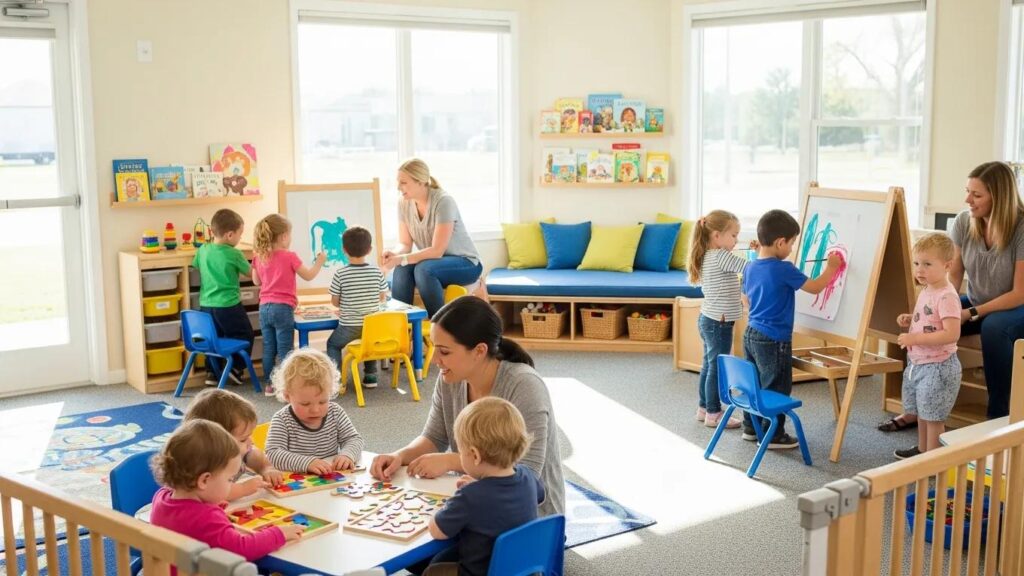
How to Choose a Quality Daycare: Comprehensive Checklist for Parents Ensuring Safety and Child Development
By Sweetgrass School, The Sweetgrass School
Selecting a quality daycare for your child is a crucial decision that impacts their early development and well-being. Parents often find themselves overwhelmed with choices, making it essential to understand what to look for to ensure safety and promote child growth. In this article, we will explore key factors that define a quality daycare and provide a comprehensive checklist for parents. Understanding daycare licensing, safety standards, staff qualifications, and engagement practices can help parents make informed decisions. Our detailed guide will address crucial points such as essential safety checks, staff-to-child ratios, curriculum and cleanliness standards, and effective communication strategies. By following this checklist, parents can navigate daycare options confidently and choose a setting that supports their child’s development.
What Are the Essential Daycare Licensing and Safety Standards to Check?
Understanding the licensing and safety standards in daycares is essential for ensuring a secure environment for children. Daycare facilities must comply with specific state regulations that verify their capacity to provide safe, nurturing care. Checking the licensing status will give parents peace of mind that the daycare meets the legal requirements for operation and safety protocols, thereby creating a conducive atmosphere for children’s growth and exploration.
How to Verify a Daycare’s Licensing Status and Compliance
To verify a daycare’s licensing status, parents can take the following steps:
- Check State Websites: Most states provide online databases where parents can verify a daycare’s licensing and compliance history.
- Contact Licensing Agencies: Directly reaching out to local or state childcare licensing agencies can help clarify any questions regarding a daycare’s compliance status.
- Request Documentation: Parents can ask the daycare provider for copies of their licenses and recent inspection reports to ensure transparency.
Which Safety Features and Protocols Should a Quality Daycare Have?
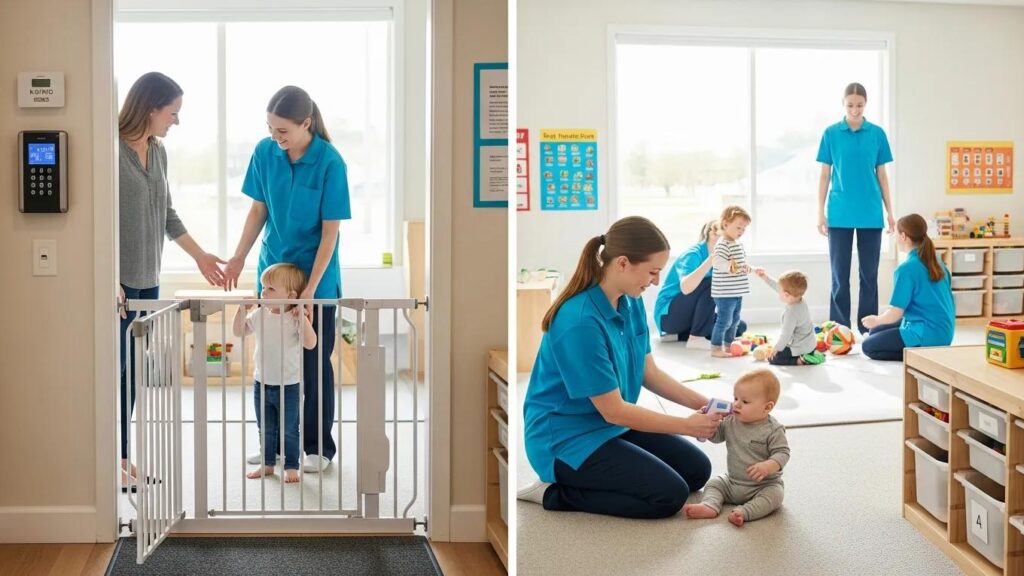
When assessing daycares, parents should look for specific safety features and protocols, including:
- Secure Facilities: Look for secure entry points and monitored exits to prevent unauthorized access.
- Emergency Protocols: Quality daycares should have documented emergency procedures for various situations, including weather-related incidents and health emergencies.
- Daily Health Checks: Procedures should be in place for daily health checks of staff and children to monitor for illnesses and ensure a healthy environment.
Research highlights the importance of consistent compliance with these safety measures to prevent incidents and ensure children’s well-being.
Daycare Regulatory Non-Compliance and Safety
1. ObjectivesTo determine frequency of non-compliance with child care regulations among family day care homes (FDCH) and identify the role of income in compliance.MethodsWe analyzed non-compliance in 746 routine, unannounced inspection and re-inspection reports of FDCH collected by the Connecticut Department of Public Health licensing specialists in 2007–2008 and linked results to median income of zip code data. We grouped the 83 state regulations into 12 regulation categories, analyzed 11 categories, and used latent class analysis to classify each FDCH as high or low compliance for each category. We used logistic regression analysis to estimate the odds ratios of low compliance.ConclusionsThe majority of FDCH were in compliance with the majority of regulations, yet there are glaring non-compliance issues in inspections and re-inspections and there are income-based inequities that place children at higher risk who are already at high risk for suboptimal health outcomes.
Health and safety in family day care homes: Association between regulatory non-compliance and lower median income, S Jeon, 2016
What Daycare Staff Qualifications and Child-to-Staff Ratios Indicate High Quality?
Staff qualifications and the child-to-staff ratio are critical indicators of a quality daycare. Well-trained educators and caregivers significantly influence children’s experiences and development. It’s vital for parents to inquire about certification levels and educational backgrounds of staff in the daycare, as they directly affect the quality of care provided.
Which Certifications and Educational Credentials Are Important for Caregivers?
Important certifications and educational credentials for daycare staff may include:
- Child Development Associate (CDA): This certification shows that staff have basic knowledge of child development.
- Early Childhood Education Degrees: Degrees specifically focused on childhood education emphasize proper teaching methods and developmental psychology.
- First Aid and CPR Certification: Essential for ensuring staff can respond to emergencies effectively.
Why Is the Child-to-Staff Ratio Critical for Child Safety and Development?
Child-to-staff ratios are crucial for facilitating effective supervision and individualized attention. Recommended ratios vary by age group; for example:
- Infants (0-12 Months): 1 caregiver for every 3 infants.
- Toddlers (1-2 Years): 1 caregiver for every 4 toddlers.
- Preschoolers (3-5 Years): 1 caregiver for every 10 preschoolers.
These ratios promote safety and ensure that each child receives adequate attention, fostering a nurturing learning environment.
How Does the Daycare Learning Environment Support Child Development and Well-being?
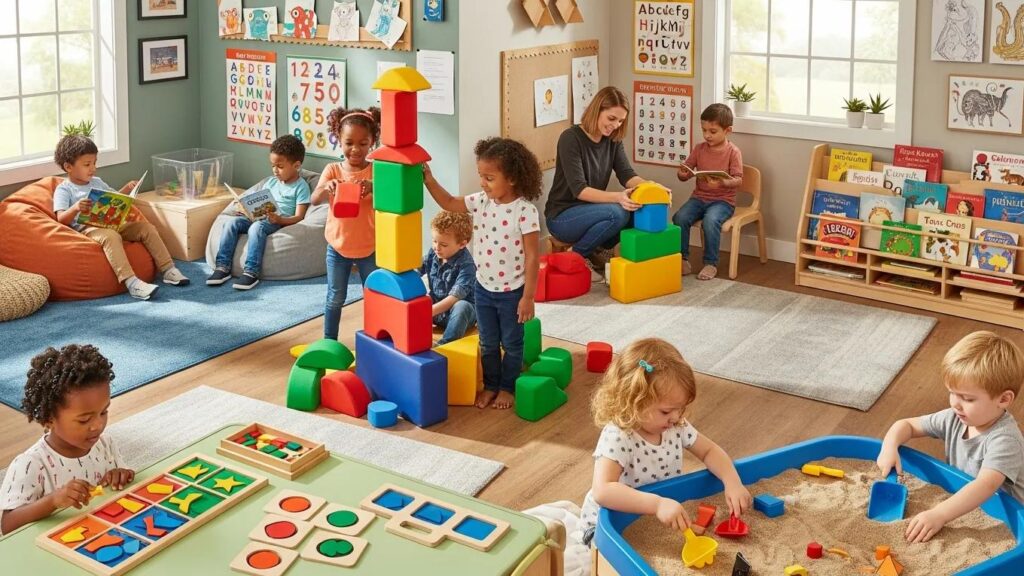
The learning environment in a daycare is integral to child development. A supportive and stimulating environment encourages exploration and growth in social, emotional, and cognitive areas. Parents should assess how the daycare’s facilities and curricula promote the overall well-being of children.
What Educational Curriculum Elements Should Parents Look For?
Parents should consider educational curriculum components that facilitate holistic development, such as:
- Play-Based Learning: Activities centered on play help children develop decision-making and problem-solving skills.
- Language Development Programs: Exposure to rich language activities promotes vocabulary growth and communication abilities.
- Social Skills Initiatives: Programs that encourage interaction among children help them develop essential social skills through shared activities.
How Do Daycare Facilities Promote Emotional and Social Growth?
Daycare facilities should implement activities and frameworks that foster emotional and social skills, like:
- Group Activities: Encourage cooperation and teamwork among children, enhancing their social skills.
- Emotionally Supportive Staff: Caregivers trained in emotional support can help children learn to manage feelings.
- Parental Engagement Practices: Activities that involve parents create a sense of community and shared development.
How to Assess Hygiene and Cleanliness in a Daycare Setting?
Assessing hygiene and cleanliness in daycare settings is vital for maintaining a healthy childcare environment. High hygiene standards directly influence children’s health, preventing the spread of illnesses and ensuring their safety.
What Hygiene Protocols Ensure a Healthy Childcare Environment?
Essential hygiene practices in daycare centers should include:
- Regular Cleaning Routines: Daily cleaning of toys, surfaces, and play areas to minimize germ transmission.
- Handwashing Protocols: Teaching children and staff proper handwashing techniques is crucial for preventing illness.
- Safe Food Handling Practices: Compliance with food safety guidelines during meal times ensures children’s health.
How Do Clean Facilities Affect Child Safety and Parent Confidence?
Maintaining cleanliness significantly impacts child safety and parental confidence. Research suggests that clean facilities contribute to lower rates of illness and promote a positive environment. Parents are more likely to trust a daycare that prioritizes hygiene, which is crucial for overall peace of mind.
What Are Best Practices for Parent Engagement and Communication with Daycare Providers?
Effective communication and engagement with daycare providers strengthen the parent-caregiver relationship, enhancing the childcare experience for children. Parents should actively participate in their child’s daycare community to build trust and understanding.
How Can Parents Effectively Communicate with Daycare Staff?
Parents can implement several strategies to improve communication with daycare staff:
- Regular Check-Ins: Scheduling routine meetings to discuss a child’s progress and any concerns can facilitate open communication.
- Feedback Mechanisms: Providing continuous feedback on childcare and educational practices helps ensure alignment with parental expectations.
- Participation in Activities: Actively engaging in daycare activities fosters a sense of community and improves relationships.
Which Tools and Methods Enhance Transparency and Trust in Childcare?
Various communication tools can promote transparency and trust between parents and daycare providers, such as:
- Parent Portals: Online platforms that provide updates, schedules, and resources help keep parents informed.
- Newsletters: Regular newsletters that outline upcoming events and educational focuses establish ongoing communication.
- Parent-Teacher Conferences: Scheduled discussions between parents and staff help clarify expectations and share insights.
What Questions Should Parents Ask During Daycare Tours and Interviews?
Asking the right questions during daycare tours is crucial for assessing quality and understanding how a facility aligns with parental needs. Parents should be prepared with essential questions to evaluate potential care settings comprehensively.
Which Key Questions Reveal Daycare Quality and Safety Comprehensively?
Key questions to ask during tours include:
- What is the staff-to-child ratio?
- What safety protocols are followed during emergencies?
- How are caregivers trained to handle children’s developmental needs?
These questions highlight critical aspects of quality assurance and safety in potential daycare facilities.
How to Evaluate Daycare Responses for Trustworthiness and Alignment with Needs?
When evaluating daycare responses, parents should look for:
- Consistency in Information: Responses should align with observed practices and facility policies.
- Transparency: Open and honest communication indicates a commitment to quality care.
- Alignment with Personal Values: Ensuring that the daycare’s approach aligns with individual parenting goals is critical for trust.