
Helping Children with Separation Anxiety

Helping Children with Separation Anxiety: Effective Strategies for Parents and Caregivers
By Sweetgrass School, The Sweetgrass School
Separation anxiety in children can be a challenging hurdle for both kids and parents. Understanding how to navigate this emotional landscape is crucial for fostering a child’s emotional and social development. This article examines effective strategies to help children cope with separation anxiety, particularly when transitioning to new environments like daycare or preschool. With a focus on identifying symptoms, establishing routines, and employing emotional regulation techniques, this guide offers practical, research-backed insights to support parents and caregivers. Ultimately, addressing these challenges can foster resilience and confidence in children as they adapt to new experiences. We will explore the symptoms of separation anxiety, actionable tips for easing transitions, and the importance of parental support throughout this process.
What Are the Common Separation Anxiety Symptoms in Children?
Separation anxiety is a developmental phase characterized by excessive worry or fear when a child is apart from their primary caregivers. Common symptoms include crying, tantrums, physical complaints like headaches or stomach aches, and reluctance to engage in activities away from home. Children may also exhibit clinginess, nightmares, or a profound fear of being alone. Recognizing these signs is paramount for parents, as it allows for timely intervention and support strategies that can ease the child’s distress.
At What Age Does Separation Anxiety Typically Peak in Toddlers?
Separation anxiety most commonly peaks between the ages of 9 months and 18 months. During this period, children are developing a strong attachment to their caregivers and are particularly sensitive to separation. Individual experiences may vary, as some children may show heightened anxiety earlier or later than this typical range. Understanding these developmental milestones is essential for parents, as it helps contextualize their child’s behaviors and informs the strategies that can be employed to mitigate anxiety.
How Can Parents Help Toddlers Adjust to Daycare?
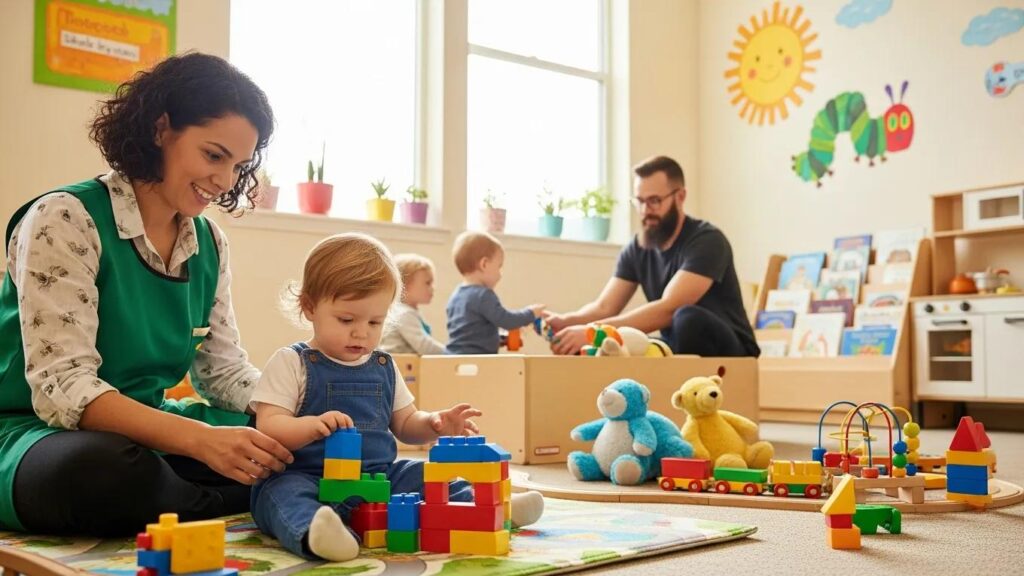
Adjusting to daycare can be a significant transition for toddlers, often triggering separation anxiety. Parents play a vital role in easing this process by implementing effective strategies that foster comfort and security in their children. This includes establishing a consistent routine and gradually introducing the daycare environment. Additionally, scheduling playdates with peers can help children feel more at ease and establish a sense of familiarity within the daycare setting.
How to Create a Consistent Drop-Off Routine That Comforts Children
Creating a predictable drop-off routine can significantly reduce anxiety for both parents and children during daycare transitions. Parents can establish a short, engaging goodbye ritual that reassures the child of their return. This might include a special handshake, a family mantra, or a comforting phrase. It’s essential for parents to stay calm during drop-off, as children often pick up on their emotional cues. A quick, confident greeting and departure can make the process smoother.
What Are Effective Drop-Off Strategies for Preschool Separation Anxiety?
Drop-off time can be particularly stressful for children with separation anxiety. Various strategies can help ease this anxiety and cultivate a sense of security. One effective approach is to involve preschool staff in the transition by allowing them to engage with the child upon arrival. Teachers can provide reassurance and help the child transition into playtime, which can distract them from feelings of anxiety.
How Can Caregivers Provide a Safe and Supportive Preschool Environment?
Caregivers play a crucial role in easing separation anxiety by providing a nurturing and secure environment.
- Welcoming Atmosphere: Creating a warm and inviting space helps reduce anxiety. Comfortable seating, engaging materials, and familiar toys can help children acclimatize to their new surroundings.
- Open Communication with Parents: Regular communication with parents ensures they are informed about their child’s day, which builds trust and helps alleviate parental anxiety regarding their child’s adjustment.
- Individual Attention: Observing each child’s emotional needs and offering personalized comfort can significantly enhance their experience and sense of safety in the preschool environment.
How Do Emotional Regulation Techniques Support Children with Separation Anxiety?

Emotional regulation techniques are essential for children experiencing separation anxiety, as they help children understand and manage their emotions effectively. These techniques can include practices such as deep breathing, mindfulness, and positive affirmation. By equipping children with tools to calm themselves, parents and caregivers can foster resilience and emotional awareness.
Research highlights the importance of specific therapeutic approaches, like Emotion-focused Cognitive Behavioral Therapy (ECBT), in addressing emotional dysregulation in anxious children.
Emotion Regulation Techniques for Childhood Separation Anxiety
Emotion-focused cognitive behavioral therapy (ECBT) is a new form of CBT with emotion regulation components. This form of treatment is suggested to be employed to improve dysregulation of anxiety and other kind of emotions in anxious children. This study observed and compared the effectiveness of CBT and ECBT on anxiety symptoms; sadness and anger management; and cognitive emotion regulation strategies in children with separation anxiety disorder (SAD). The effective comparison between emotion-focused cognitive behavioral group therapy and cognitive behavioral group therapy in children with separation anxiety …, A Afshari, 2014
How Can Parents Model Emotional Regulation to Build Child Resilience?
Parental modeling of emotional regulation is critical in helping children develop coping strategies. Parents can demonstrate how to navigate feelings of anxiety by showing their own coping mechanisms. For instance, when a parent feels anxious about a situation, discussing those feelings openly while practicing calming strategies together with the child can be invaluable. This not only helps children learn to manage their emotions effectively but also strengthens the parent-child bond.
What Parental Support and Communication Strategies Promote Child Well-Being?
Effective communication is key to fostering a sense of security and well-being in children facing separation anxiety. Parents can adopt several strategies to support their children’s emotional needs during this period:
- Open Dialogue: Encourage children to express their feelings and validate their emotions. Letting them know that it’s normal to feel anxious can ease their fears.
- Encouragement and Affirmation: Highlight and celebrate small successes, such as a child successfully navigating a day at preschool. Positive reinforcement helps build their confidence.
- Involvement in Problem-Solving: Involving children in finding solutions for their anxiety can empower them. For example, asking them what they think would make drop-off easier can help them feel more in control.
What Resources Are Available for Parents Managing Separation Anxiety?
Parents managing separation anxiety can find a wealth of resources to support their journey. Valuable materials include:
- Books and Articles: Consider reading literature on child development and separation anxiety to gain insights into the emotional landscape of children.
- Online Forums and Communities: Engaging in parent support groups can provide encouragement and shared experiences from others facing similar challenges.
- Professional Counseling: Consulting with child psychologists or counselors who specialize in childhood anxiety can offer tailored strategies and interventions that address individual needs.
When Should Parents Seek Professional Help for Separation Anxiety in Children?
It’s important for parents to monitor their child’s anxiety levels closely. If the anxiety becomes severe, persistent, or hinders daily activities, it may be time to reach out for professional help. Signs that indicate a need for intervention include excessive crying or tantrums, physical complaints related to anxiety, or an unwillingness to engage in normal activities with peers.
How Can Early Intervention Benefit Long-Term Child Development?
Early intervention for separation anxiety is critical in fostering long-term emotional health and resilience. Engaging with professionals can lead to the development of effective coping strategies and support mechanisms that benefit the child throughout their development. Research indicates that children who receive appropriate support can learn to manage anxiety more effectively, leading to improved emotional wellbeing as they mature. Addressing these issues early can prevent complications in social interactions and academic performance down the line.