
Integrating Art and Creativity into Daily Learning
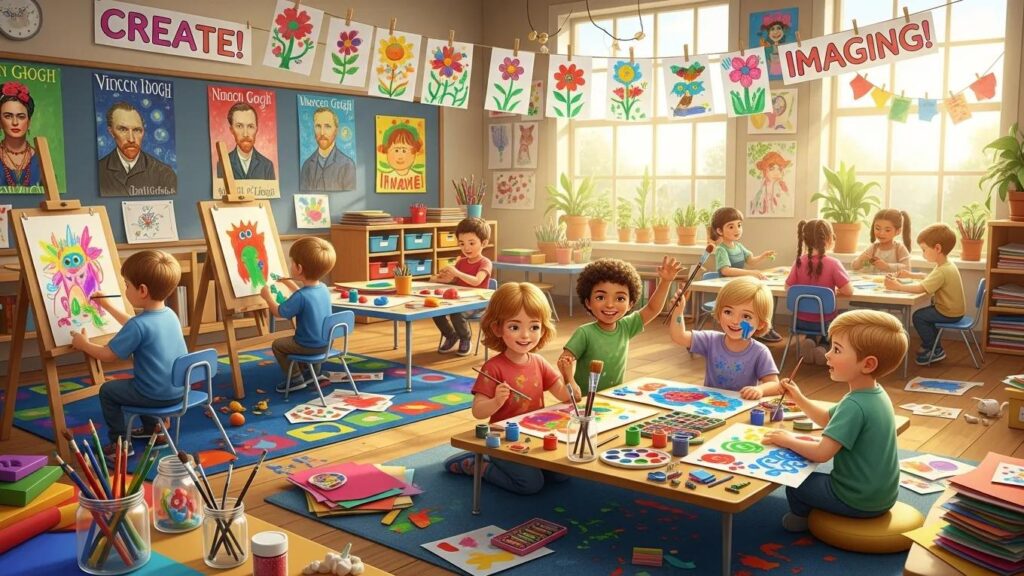
Integrating Art and Creativity into Daily Learning: Effective Strategies and Activities for Early Childhood Development
By Sweetgrass School, The Sweetgrass School
Integrating art and creativity into daily learning promotes holistic development during early childhood. Research shows that arts integration enhances cognitive skills, encourages emotional growth, and fosters fine motor development. This article will delve into effective strategies and activities designed for integrating art in daycare and preschool settings, helping educators foster a nurturing learning environment. In particular, the focus will be on the benefits of creative curriculum and various age-appropriate art activities for toddlers. Furthermore, the impact of such approaches on early childhood development will be examined, providing educators and parents with valuable insights. By understanding how to apply these methods effectively, stakeholders can enrich the learning experience for children and create opportunities for self-expression and creativity.
What Are the Key Benefits of Arts Integration in Early Childhood Learning?
Arts integration in early childhood education provides numerous benefits to children, enhancing their academic and personal development. Engaging in artistic activities fosters deep cognitive and language development by allowing children to express themselves creatively. For instance, integrating visual arts into lessons boosts vocabulary and encourages problem-solving skills, significantly contributing to cognitive development. Moreover, creative expressions through various art forms facilitate emotional growth, as children learn to articulate their feelings through mediums like painting and music. Additionally, participating in art activities aids in refining fine motor skills, as tasks like coloring or sculpture-building require dexterity and control.
Notably, integrating arts into education is crucial for fostering essential developmental aspects.
Arts-Integrated Early Childhood Education: Emotional Development
appropriate means for expressing emotions in school and teach important emotion regulation strategies. For example, in music, young children might learn concrete strategies such as Tapping the arts to teach R’s: Arts-integrated early childhood education, 2013
How Does Creative Learning Enhance Cognitive and Language Development?
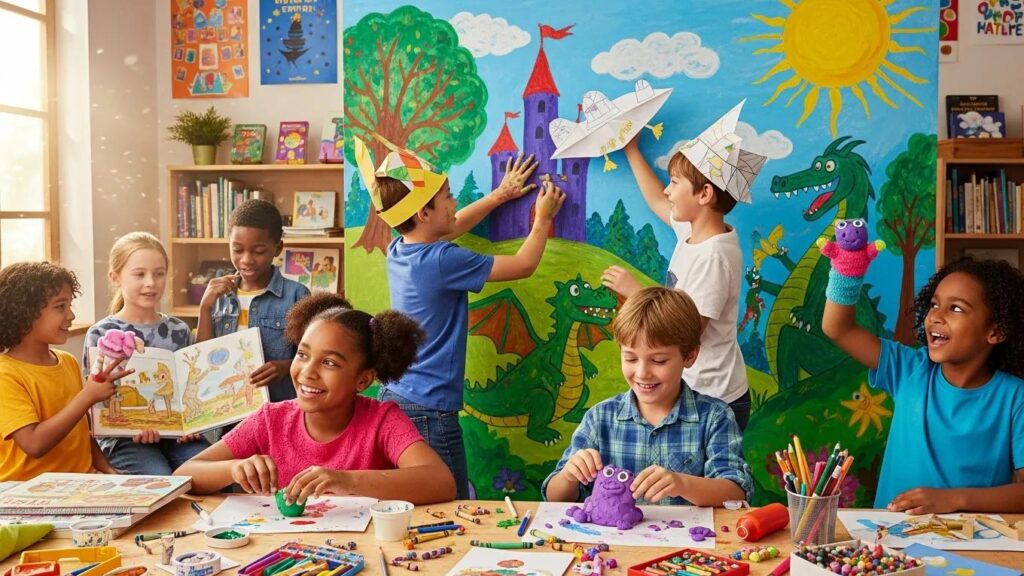
Creative learning significantly enhances cognitive and language development in young children by providing them with multiple avenues for expression and communication. When children engage in activities such as storytelling through art, they improve their vocabulary and comprehension skills. The tactile experience of manipulating art materials also helps solidify their understanding of concepts, boosting memory retention. Research has shown that children’s cognitive flexibility is improved through creative play, enabling them to become adept problem-solvers and critical thinkers as they negotiate imaginative scenarios. As creativity deepens, so does their ability to communicate effectively, creating a foundation for stronger language skills.
Why Is Sensory Art Important for Toddlers’ Development?
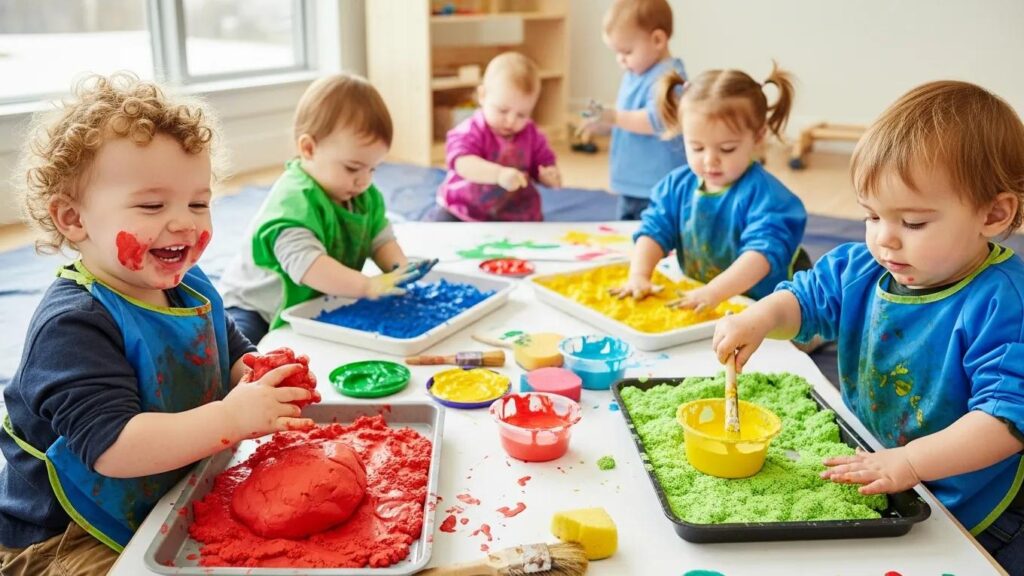
Sensory art activities play a crucial role in toddlers’ development by offering unique opportunities for exploration and tactile learning. Engaging with various materials such as clay, paint, or sand stimulates the senses and promotes cognitive engagement that aids in learning concepts like texture, colors, and shapes. These activities encourage toddlers to explore their environments actively and enhance their understanding of sensory experiences. Furthermore, sensory art helps to develop fine motor skills as children learn to grasp and manipulate objects, a fundamental aspect of their growth. As they create, they face challenges that build resilience and confidence, supporting their overall emotional well-being.
How Can Educators Develop an Effective Creative Curriculum for Daycare and Preschool?
Creating an effective creative curriculum for daycare and preschool involves integrating art across various subjects to create a stimulating learning environment. Educators should begin by identifying key components that support arts integration, including access to diverse materials and resources, open-ended tasks, and opportunities for collaborative projects. Assessment methods should also reflect children’s creative growth and provide insights into their developmental milestones. By fostering a culture of creativity, educators can ensure that all children benefit from holistic learning experiences that cultivate their individual talents and interests.
Developing a creative curriculum can transform early learning environments.
Creative Curriculum for Family Child Care: Activities and Development
Part 1, Setting the Stage, helps caregivers formulate a philosophy of child care, understand child development, prepare their homes, and plan their programs. It includes many ideas for making the home environment safe and inviting, selecting the right kinds of materials, managing the day, guiding children’s learning and behavior, and building a partnership with parents. Part 2, Activities, offers ideas on ways to select materials and plan experiences that help infants, toddlers, preschoolers, and school-age children grow and develop. The nine types of activities described in Part 2 are: dramatic play, blocks, toys, art, books, sand and water, cooking, music and movement, and outdoor play. The Creative Curriculum for Family Child Care., 1991
What Are Proven Arts Integration Strategies for Early Learning Centers?
Proven strategies for implementing arts integration within early learning centers include adopting multidisciplinary approaches that combine different art forms with traditional subjects. For example, educators can create lesson plans that incorporate music, drama, and visual arts while exploring a scientific theme, allowing children to express their understanding through various modalities. Additionally, leveraging local culture by incorporating community resources and experiences enhances the relevance of artistic projects, making learning more engaging and meaningful. Regular training and professional development for educators on best practices ensure that the creative curriculum remains dynamic and impactful.
Which Educational Standards and Frameworks Support Creative Curriculum Design?
Educational standards and frameworks widely support the implementation of creative curricula in early childhood education. For instance, the Common Core Standards emphasize the importance of integrating arts into academic subjects to ensure that children develop essential critical thinking and collaborative skills. The National Early Learning Standards also promote creativity, encouraging educators to nurture children’s artistic expression while meeting learning goals. These frameworks reinforce that art is not merely an auxiliary activity but a vital component of holistic education, driving sustained engagement and deeper learning.
Research strongly supports the benefits of arts integration for young children, even in challenging educational environments.
Arts Integration and Enhanced Early Childhood Development
Education in the arts continues to struggle for inclusion in PreK-12 classrooms as public schools face increasing challenges from high stakes testing, Common Core politics, and endless budget cuts. Advocates point to the growing body of research linking art education to academic achievement as justification for arts’ continued inclusion in the curriculum. Enhancing early childhood development through arts integration in economically disadvantaged learning environments, 2018
What Are Age-Appropriate Art Activities for Toddlers by Developmental Stage?
Art activities tailored to toddlers by developmental stage play an essential role in fostering various skills. As toddlers grow, their abilities to engage with different materials and concepts evolve. Therefore, it is imperative to select age-appropriate projects that challenge their creativity while ensuring safety. By categorizing activities based on developmental milestones, educators and parents can ensure that toddlers engage in meaningful art experiences that support their growth.
| Activity Type | Age Range | Description |
|---|---|---|
| Finger Painting | 12-24 months | Encourages sensory exploration, improves motor skills through paint manipulation. |
| Basic Form Construction | 2-3 years | Utilizes blocks and clay to promote spatial awareness and fine motor skills. |
| Simple Collage Making | 3-4 years | Introduces children to colors and shapes while enhancing their creativity and fine motor control. |
These activities demonstrate how artistic engagement can be adapted to support toddlers at different stages of development, paving the way for future learning.
Which Creative Projects Promote Motor and Cognitive Skills in Toddlers?
Creative projects that promote motor and cognitive skills must capture toddlers’ attention and allow them to experiment. Projects like building with large blocks not only foster motor development but also stimulate spatial reasoning and problem-solving skills as children figure out how to balance their structures. Engaging in cutting and pasting during a collage-making session enhances fine motor control while promoting creativity. Similarly, art projects involving water play, like painting with water on the ground, combine sensory experiences with cognitive exploration, illustrating how play and learning can effectively intertwine.
How to Use Sensory and Creative Play to Foster Early Childhood Growth?
Sensory and creative play are instrumental in fostering early childhood growth. Such play experiences encourage emotional expression, allowing children to articulate their feelings creatively as they engage in various art forms. This self-expression is critical for social development, as it enables young learners to interact with their peers, learn empathy, and build relationships based on shared experiences. Additionally, creative play nurtures self-esteem by providing opportunities for achievement and pride in their work, creating a safe space for exploration without fear of judgment. By embedding these elements into daily routines, educators can create robust environments that support holistic child development.
How Is the Impact of Arts Integration Measured in Early Childhood Education?
Measuring the impact of arts integration in early childhood education involves assessing various educational outcomes and cognitive gains. School districts often use specific assessment tools calibrated to determine growth in areas like creativity, social skills, and cognitive flexibility. Educators may also track children’s ability to express themselves through various artistic mediums as a measure of overall engagement and willingness to participate in classroom activities.
What Evidence Supports Cognitive Gains from Arts-Based Learning?
Extensive research supports the idea that arts-based learning leads to significant cognitive gains. Studies indicate that children involved in arts integration programs demonstrate statistically significant improvements in abilities such as critical thinking and problem-solving compared to their peers in traditional learning environments. Longitudinal studies have also shown enhanced performance in literacy and mathematics among children who consistently engage in arts and related activities, reinforcing the need to advocate for arts integration in early education settings.
How Can Educators Monitor and Evaluate Creative Learning Outcomes?
Educators can employ various strategies for monitoring and evaluating creative learning outcomes. Utilizing rubrics that assess specific skills gained through artistic expression can provide valuable feedback for both teachers and parents. Additionally, regular observations and documentation of children’s engagement levels during art activities can reveal individual progress and areas that may benefit from targeted support. Engaging families in the evaluation process also allows for a holistic understanding of a child’s development outside the classroom setting.
What Resources and Tools Support Parents and Educators in Creative Early Learning?
Parents and educators looking to enhance their approaches to integrating arts into early learning can benefit from a wealth of resources and tools. Books and guides on arts integration provide foundational knowledge and practical ideas for implementation in various settings. Online platforms offer lesson plans and digital materials aimed at fostering creativity, allowing flexibility in resource selection.
Which Arts Integration Educational Organizations Provide Guidance and Training?
Several organizations provide essential guidance and training for educators aiming to implement arts integration effectively. The National Association for the Education of Young Children (NAEYC) offers resources covering best practices in early childhood education, including art integration. Workshops from local art organizations can also enhance educators’ skills in delivering impactful creative experiences. Additionally, various online communities support continuous learning and sharing of arts-based strategies among peers.
How Can Multimedia and Structured Data Enhance Art Learning Materials?
Incorporating multimedia and structured data into art learning materials enhances the educational experience by providing dynamic, engaging content. Interactive platforms allow children to explore concepts through video, animation, and games that complement traditional art practices. For example, using educational apps that encourage children to create digital artwork combines technology with artistic expression, bridging traditional modalities with contemporary learning methods. These approaches foster not only artistic skills but also digital fluency essential for navigating today’s technologically-driven world.