
Early Science, Inquiry, and Exploration Activities
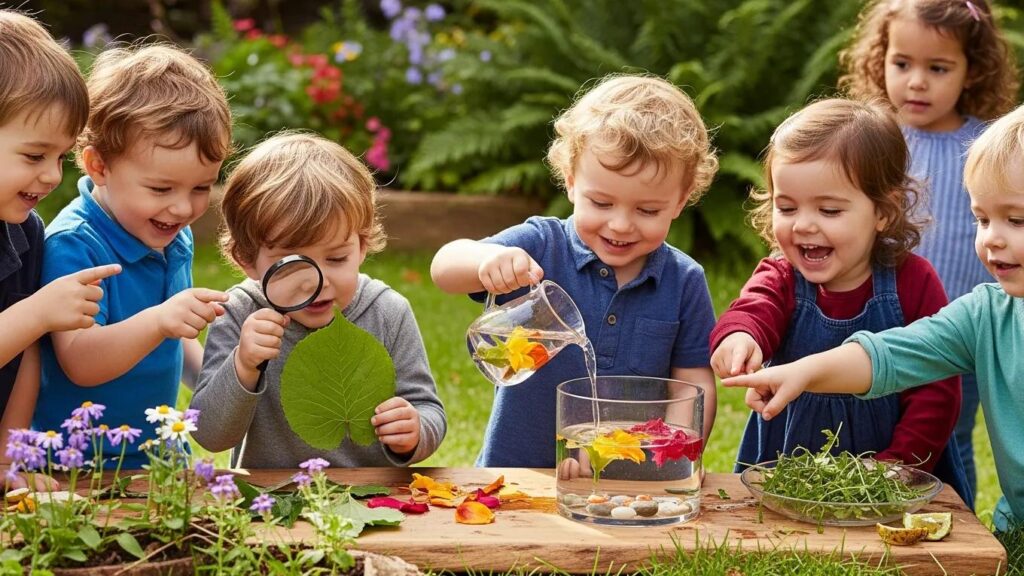
Early Science, Inquiry, and Exploration Activities: Comprehensive Guide to Toddler and Preschool STEM Learning
By Sweetgrass School, The Sweetgrass School
Engaging toddlers and preschoolers in early science, inquiry, and exploration activities is essential for their development. These activities not only introduce young learners to fundamental scientific principles but also foster critical thinking and curiosity. This comprehensive guide will explore various ways to implement these activities effectively, focusing on the benefits of inquiry-based learning in early childhood education. Many parents and educators seek methods to promote STEM learning but may find it challenging to choose appropriate and effective activities for their young learners. Here, we provide valuable insights into defining early science activities and understanding their significance in stimulating inquiry among toddlers and preschoolers. The sections will cover a range of areas, including the benefits of such activities, safe experiments to try at home, effective facilitation strategies for parents and educators, the role of sensory exploration, and best safety practices to ensure a productive learning environment.
What Are Early Science Activities and Inquiry-Based Learning for Toddlers?
Early science activities encompass a range of experiences designed to ignite curiosity and enable toddlers and preschoolers to explore their environments. This approach incorporates inquiry-based learning, which emphasizes discovery and hands-on engagement. Through inquiry-based learning, children are encouraged to ask questions and seek answers, promoting their cognitive development in a manner reflective of genuine scientific inquiry. Engaging in structured yet playful science activities allows children to develop foundational skills in observation, experimentation, and problem-solving.
How Does Inquiry-Based Learning Foster Curiosity and Discovery in Young Children?
Inquiry-based learning fosters curiosity in young children by offering them opportunities to engage with the world around them actively. When children are encouraged to ask questions and test their hypotheses, they develop a sense of ownership over their learning process. Studies show that this method not only nurtures cognitive development but also enhances emotional connections to learning. Using their innate curiosity, children learn about their environments while becoming enthusiastic participants in their educational journey.
Research highlights the suitability of an inquiry approach for STEM topics in early childhood, enabling collaborative and data-driven learning experiences.
Fostering Inquiry-Based STEM Learning in Early Childhood Education
The use of an inquiry approach is especially suited to Science, Technology, Engineering, and Mathematics or STEM topics in early childhood. Capturing their natural curiosity, STEM inquiry lessons can be collaborative, data-driven, and reflective for young children, allowing teachers to promote learning for diverse groups of young children as well as improve their professional practice. STEM in Early Childhood: Establishing a Culture of Inquiry with Young Children., C Purper, 2021
Which Types of Science Exploration Activities Are Suitable for Toddlers and Preschoolers?
There are numerous science exploration activities tailored specifically for toddlers and preschoolers. Common types include simple experiments, natural observation outings, and sensory play experiences. These activities may include observing the growth of plants, experimenting with simple chemical reactions using kitchen ingredients, or exploring textures and colors through various materials. Each type of activity is designed to be safe and engaging, ensuring that children can learn through play while keeping their innate sense of wonder intact.
What Are the Benefits of Science Exploration and STEM Activities for Early Childhood Development?
The benefits of engaging young children in science exploration are profound and multi-dimensional. These activities contribute significantly to cognitive development, enhancing problem-solving skills, creativity, and critical thinking abilities. They also have positive effects on social interactions, promoting teamwork and communication among peers as they collaborate on projects or experiments.
How Do Science Activities Support Cognitive and Motor Skill Development?
Participating in science activities supports cognitive and motor skill development by providing children with opportunities to manipulate objects and engage in critical thinking tasks. For example, when toddlers conduct a simple experiment, they enhance their fine motor skills through actions such as pouring, scooping, or measuring. Additionally, cognitive skills are sharpened as children make predictions, analyze results, and draw conclusions based on their findings. This hands-on approach to learning lays a solid groundwork for future academic success.
Why Is Early STEM Learning Important for Social and Emotional Growth?
Early STEM learning plays a crucial role in supporting social and emotional growth as it cultivates traits such as resilience, cooperation, and confidence. When children engage in group science activities, they learn to share ideas, listen to others, and collaborate effectively. Furthermore, overcoming challenges during inquiry-based tasks helps foster a growth mindset, allowing children to approach difficulties with a positive attitude. These experiences build emotional resilience and improve self-esteem as they learn to navigate both success and failure.
What Are Safe and Simple Toddler Science Experiments to Try at Home or School?
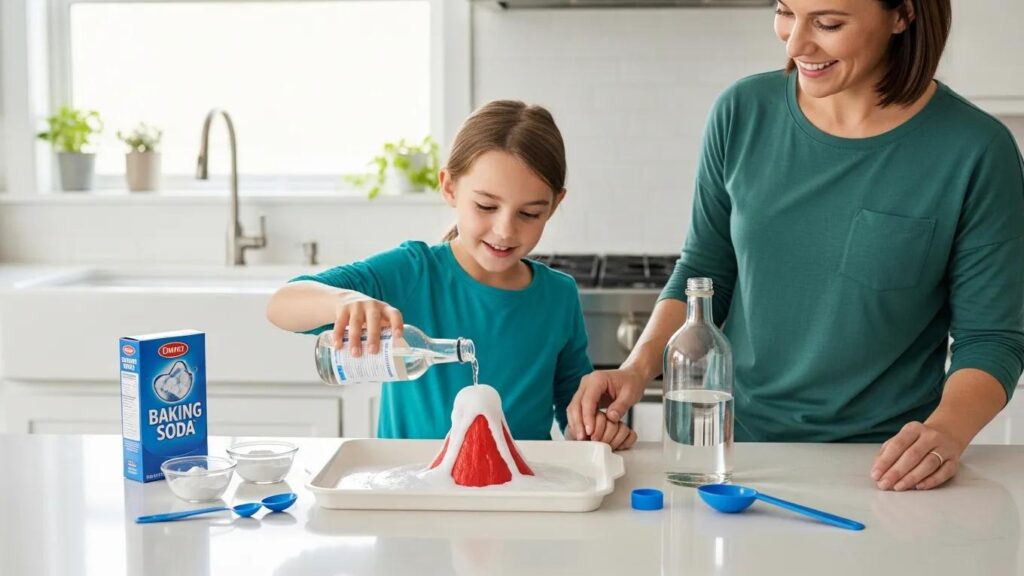
Conducting safe and simple experiments at home or in educational settings can provide exciting chances for children to learn. These experiments often utilize common household items, making them accessible and easy to implement. Encouraging creativity and exploration empowers children to ask questions and discover answers, reinforcing their understanding of the scientific process.
How to Conduct Hands-On Experiments with Everyday Materials?
Hands-on experiments can be easily conducted with everyday materials found in most homes. For instance, parents and educators can guide children in creating a volcano using baking soda and vinegar. This exciting experiment not only demonstrates a chemical reaction but also allows children to observe changes and make predictions about the outcome. Simple experiments like these encourage children to engage deeply, maintaining their interest and curiosity.
Which Preschool Science Experiments Teach Basic Physics, Biology, and Chemistry Concepts?
Several preschool science experiments can effectively introduce basic concepts of physics, biology, and chemistry. For example, creating rainbow colors with water and food coloring illustrates color mixing, while planting seeds in soil provides a tangible understanding of growth in biology. Each of these experiments serves as a playful yet educational approach to learning foundational scientific principles, supported by children’s natural curiosities.
How Can Parents and Educators Facilitate Inquiry and Exploration in Early Childhood?
Parents and educators play a pivotal role in facilitating inquiry and exploration in early childhood. They can promote scientific curiosity by fostering an environment that encourages questioning and exploration. Utilizing everyday opportunities for inquiry, such as nature walks or visits to local parks, can enhance children’s learning experiences outside of formal education.
It has been shown that project-based inquiry in STEM education can be successfully integrated into preschool curricula, with children enthusiastically engaging in a well-planned learning environment.
Integrating Project-Based Inquiry in Preschool STEM Education
The results indicate that PBI in STEM teaching can be integrated successfully into preschool curricula. Children can engage enthusiastically in STEM activities in a well-planned learning environment. We provide some suggestions for readers who have an interest in STEM teaching or research at the preschool level. Project-based inquiry in STEM teaching for preschool children, 2022
What Strategies Promote Curiosity and Sustained Scientific Inquiry?
Effective strategies to promote curiosity include modeling questioning behaviors, providing open-ended activities, and allowing children space to explore at their own pace. Encouraging children to take the lead in their learning fosters independence and engagement. Additionally, providing varied materials and resources can inspire children to ask questions and pursue interests spontaneously.
Which Low-Cost Science Kits and Educational Tools Support Early STEM Learning?
There are numerous low-cost science kits and educational tools designed to support early STEM learning. Kits that include materials for basic experiments or provide interactive challenges help introduce scientific concepts in a fun and engaging way. Educators and parents can look for options that align with age-appropriate learning goals while also being budget-friendly, enhancing accessibility to STEM education for all children.
What Role Do Sensory and Nature-Based Exploration Activities Play in Early Science Education?
Sensory and nature-based exploration activities are essential components of early science education. By engaging with various textures, scents, and natural phenomena, children develop their observational skills and open-ended thinking. These experiences encourage creativity, as children learn to explore using their multiple senses.
How Does Sensory Play Enhance Inquiry and Scientific Thinking Skills?
Sensory play enhances inquiry and scientific thinking skills by offering opportunities for hands-on, experiential learning. As children engage with different materials—such as sand, water, or clay—they learn to manipulate and explore various properties. This form of play stimulates natural curiosity, prompting children to ask questions and engage in problem-solving. Research shows that sensory activities can significantly impact cognitive growth by encouraging exploration and investigation.
What Are Effective Nature-Inquiry Projects for Toddlers and Preschoolers?
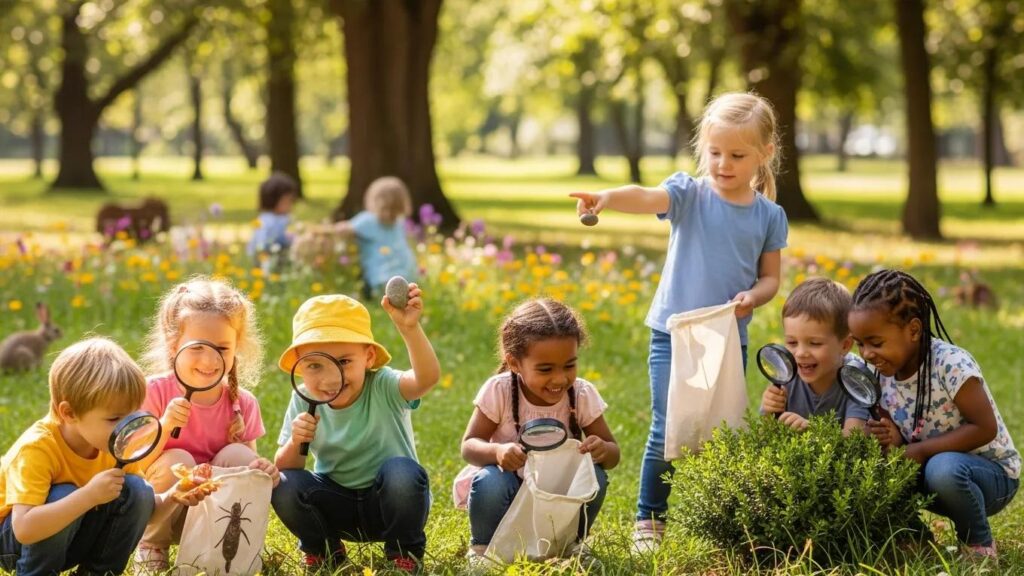
Effective nature-inquiry projects for toddlers and preschoolers may include activities such as nature scavenger hunts, building habitats for small critters, or observing changing seasons. These projects encourage children to interact with their environment, fostering a deeper appreciation for nature and supporting scientific inquiry. Involving caregivers or educators can help structure these activities, ensuring that children maximize their learning potentials in a meaningful context.
What Safety Measures and Best Practices Ensure Effective Early Science Exploration?
Ensuring that early science exploration activities are safe is paramount for children’s well-being. Parents and educators should be aware of potential hazards associated with certain experiments and prepare adequately to mitigate risks. Establishing guidelines and setting clear boundaries promotes a secure environment for budding scientists.
Which Safety Guidelines Are Essential When Conducting Science Experiments with Young Children?
Essential safety guidelines include supervising experiments closely, using appropriate materials, and preparing for unexpected outcomes. All materials must be non-toxic and safe for young children to handle. Additionally, clear instructions should be provided, ensuring children understand the tasks they need to complete safely. This diligence supports effective learning and instills responsible practices in children.
How to Integrate Developmental Psychology Principles to Maximize Learning and Safety?
Integrating principles of developmental psychology into science exploration ensures that activities align with children’s developmental stages and learning needs. Educators and caregivers can apply insights from psychological research to structure activities that are age-appropriate, scaffold learning experiences effectively, and meet children where they are in their developmental journey. This holistic approach ultimately fosters both learning and safety, allowing for a comprehensive educational experience.