
Explains entry into play, repair after conflict, turn-taking, and noticing others without promising outcomes. The topic becomes most practical when adults translate the idea into visible sequences and precise points to ask about.
For parents in Mount Pleasant, South Carolina, this topic belongs inside a larger decision: whether daily care feels understandable, responsive, and aligned with the family’s needs. The Sweetgrass School serves children from six weeks through age five, so the same idea may look different in an infant room, a toddler group, a preschool classroom, or Pre-K. This guide offers observation points and conversation starters, not promises about an individual child.
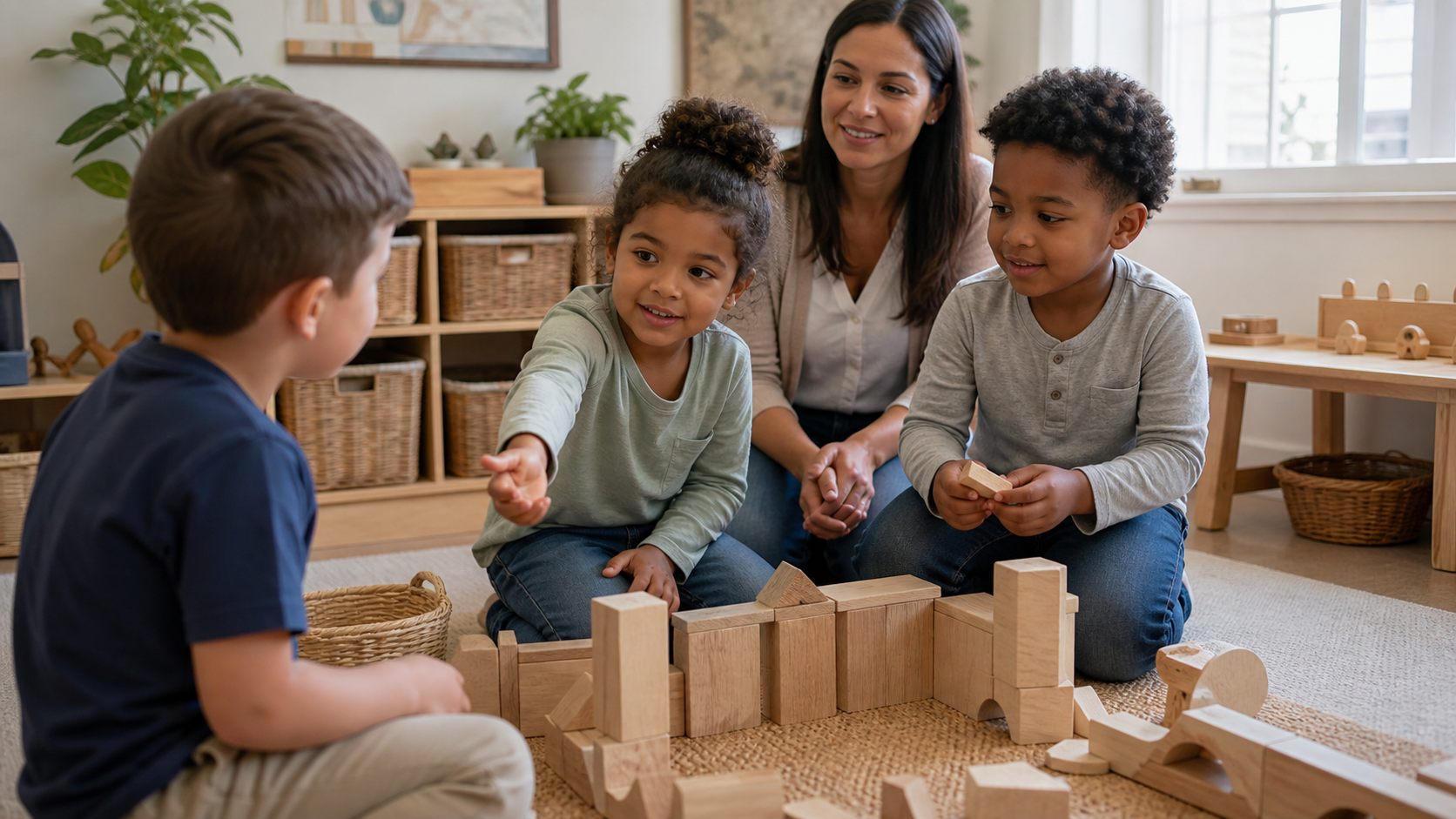
Why this prompt deserves a closer look
Explains entry into play, repair after conflict, turn-taking, and noticing others without promising outcomes. Verified age range and a dedicated social-learning gap in the current post inventory. The strongest answer comes from combining a household’s knowledge of the child with the teaching team’s observations across real sequences. One isolated morning, activity, meal, or transition rarely tells the whole story.
Entering play is a learned skill
CLASSROOM CAREGIVERS can offer a role, related material, or simple phrase that makes joining more concrete. The practical goal is a rhythm that adults can repeat consistently while still responding to the individual child.
PARENTS AND CAREGIVERS can observe entering play is a learned skill by looking for how early friendship skills appears across ordinary sequences, then sharing one specific example rather than a broad judgment. A practical next step is small enough to try, observe, and adjust without turning the moment into a test.
In a early childhood program setting, adults can connect entering play is a learned skill with this guidance: classroom caregivers can offer a role, related material, or simple phrase that makes joining more concrete. They can model one step, allow practice, and adjust support from what they actually see. This keeps the focus on connection and participation rather than comparison with another child.
Turn-taking is contextual
Waiting is easier when the sequence is short, visible, and supported by enough materials. When home and school exchange specific information, both settings can respond with more context and fewer assumptions.
PARENTS AND CAREGIVERS can observe turn-taking is contextual by looking for how early friendship skills appears across ordinary sequences, then sharing one specific example rather than a broad judgment. That distinction matters because young young learners learn through repeated experience, not through a single perfect performance.
In a early childhood program setting, adults can connect turn-taking is contextual with this guidance: waiting is easier when the sequence is short, visible, and supported by enough materials. They can model one step, allow practice, and adjust support from what they actually see. PARENTS can look for the pattern across several days and share concrete observations with the teaching team.
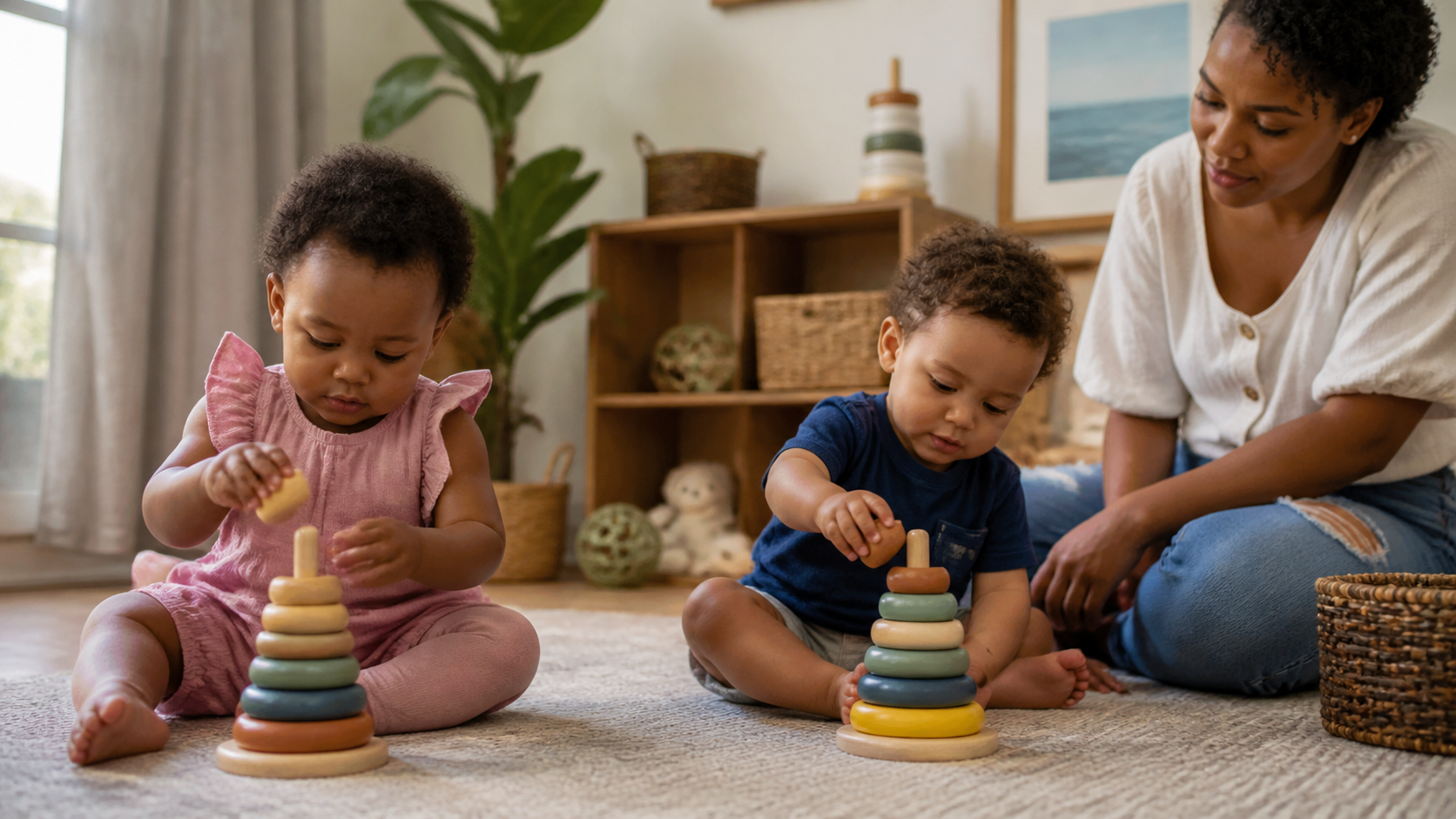
Conflict can include repair
YOUNG LEARNERS can practice stopping, naming the problem, checking impact, and trying a next step. The practical goal is a rhythm that adults can repeat consistently while still responding to the individual child.
PARENTS AND CAREGIVERS can observe conflict can include repair by looking for how early friendship skills appears across ordinary sequences, then sharing one specific example rather than a broad judgment. A practical next step is small enough to try, observe, and adjust without turning the moment into a test.
In a early childhood program setting, adults can connect conflict can include repair with this guidance: young learners can practice stopping, naming the problem, checking impact, and trying a next step. They can model one step, allow practice, and adjust support from what they actually see. This keeps the focus on connection and participation rather than comparison with another child.
Friendship does not mean constant harmony
Strong peer relationships still include different ideas, breaks, and adult support. When home and school exchange specific information, both settings can respond with more context and fewer assumptions.
PARENTS AND CAREGIVERS can observe friendship does not mean constant harmony by looking for how early friendship skills appears across ordinary sequences, then sharing one specific example rather than a broad judgment. That distinction matters because young young learners learn through repeated experience, not through a single perfect performance.
In a early childhood program setting, adults can connect friendship does not mean constant harmony with this guidance: strong peer relationships still include different ideas, breaks, and adult support. They can model one step, allow practice, and adjust support from what they actually see. PARENTS can look for the pattern across several days and share concrete observations with the teaching team.
Adults notice patterns without assigning labels
SPECIFIC observations reveal which settings invite connection and which need adjustment. The practical goal is a rhythm that adults can repeat consistently while still responding to the individual child.
PARENTS AND CAREGIVERS can observe adults notice patterns without assigning labels by looking for how early friendship skills appears across ordinary sequences, then sharing one specific example rather than a broad judgment. A practical next step is small enough to try, observe, and adjust without turning the moment into a test.
In a early childhood program setting, adults can connect adults notice patterns without assigning labels with this guidance: specific observations reveal which settings invite connection and which need adjustment. They can model one step, allow practice, and adjust support from what they actually see. This keeps the focus on connection and participation rather than comparison with another child.
POINTS TO ASK ABOUT parents and caregivers can use
What should parents and caregivers notice about entering play is a learned skill?
CLASSROOM CAREGIVERS can offer a role, related material, or simple phrase that makes joining more concrete. The practical goal is a rhythm that adults can repeat consistently while still responding to the individual child. If the prompt depends on a child’s health, development, or an individual program policy, ask the appropriate qualified professional or the school directly.
How can a classroom support early friendship skills?
PARENTS AND CAREGIVERS can observe turn-taking is contextual by looking for how early friendship skills appears across ordinary sequences, then sharing one specific example rather than a broad judgment. A practical next step is small enough to try, observe, and adjust without turning the moment into a test. If the prompt depends on a child’s health, development, or an individual program policy, ask the appropriate qualified professional or the school directly.
Which details belong in a family adult-educator conversation?
In a early childhood program setting, adults can connect conflict can include repair with this guidance: young learners can practice stopping, naming the problem, checking impact, and trying a next step. They can model one step, allow practice, and adjust support from what they actually see. This keeps the focus on connection and participation rather than comparison with another child. If the prompt depends on a child’s health, development, or an individual program policy, ask the appropriate qualified professional or the school directly.
Putting the guidance into practice
A practical concrete note 1
Choose one ordinary moment connected with early friendship skills. Write down only what can be observed: the setting, the child’s action, the adult response, and what happened next. Repeat the observation on another day before drawing a conclusion. This simple discipline makes parent-teacher conversations more precise, protects the child from broad labels, and creates a reasonable basis for deciding whether to continue, adjust, or seek qualified guidance.
A practical concrete note 2
Choose one ordinary moment connected with early friendship skills. Write down only what can be observed: the setting, the child’s action, the adult response, and what happened next. Repeat the observation on another day before drawing a conclusion. This simple discipline makes parent-teacher conversations more precise, protects the child from broad labels, and creates a reasonable basis for deciding whether to continue, adjust, or seek qualified guidance.
A practical concrete note 3
Choose one ordinary moment connected with early friendship skills. Write down only what can be observed: the setting, the child’s action, the adult response, and what happened next. Repeat the observation on another day before drawing a conclusion. This simple discipline makes parent-teacher conversations more precise, protects the child from broad labels, and creates a reasonable basis for deciding whether to continue, adjust, or seek qualified guidance.
Connect the idea to a program visit
During a tour or parent conversation, ask for examples instead of a rehearsed yes-or-no answer. What might an adult say? What happens next? How is information shared with a family? The answers help parents understand the process while leaving room for age, temperament, and daily variation.
Families considering care in Mount Pleasant can use the links below to review the program connected with this topic, understand the broader school approach, and prepare focused questions before contacting the team.
- Review the Sweetgrass Early childhood program information
- Explore related Sweetgrass guidance
- Contact The Sweetgrass School
Next step for early friendship skills: Review the relevant Sweetgrass program and contact The Sweetgrass School to ask how the ideas in this guide are handled in the current classroom and enrollment process.