
Helping Children Handle Separation from Caregivers
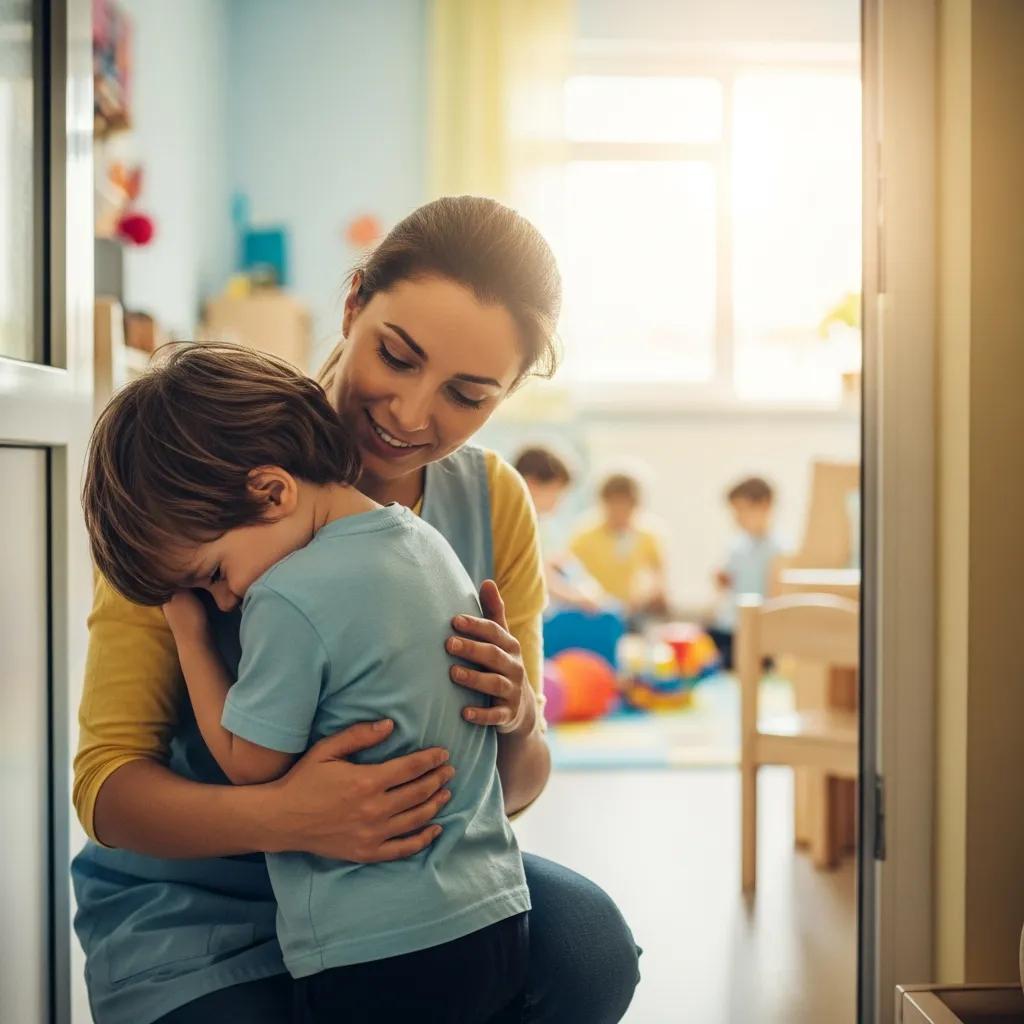
Helping Children Handle Separation from Caregivers: Managing Separation Anxiety and Drop Off Routines Effectively
Separation from caregivers can be a challenging experience for children, often leading to feelings of anxiety and distress. Understanding how to effectively support children through these transitional moments is crucial for both their emotional health and the peace of mind for parents. This article delves into strategies for managing separation anxiety and establishing effective drop-off routines that can ease the stress for young children. By recognizing key signs of separation anxiety and implementing practical techniques, parents and caregivers can help facilitate a smoother separation experience.
In this discussion, we will explore what separation anxiety is, the effective drop-off routines parents can adopt, age-specific strategies for transitions, and how emotional development plays a role in managing these challenges. Additionally, we will address when professional support might be necessary for children struggling with separation distress.
What Is Separation Anxiety in Toddlers and How Can Parents Recognize Its Symptoms?
Separation anxiety is a normal stage in child development where a child exhibits distress when separated from their primary caregiver. This condition is particularly prevalent in toddlers, as they are still developing their understanding of permanence and relationships. Recognizing symptoms of separation anxiety is essential for parents, as early detection can facilitate timely interventions and support.
However, it is important to distinguish between typical developmental separation anxiety and a more severe form that can significantly impact a child’s daily life.
Separation Anxiety Disorder: Epidemiology, Diagnosis & Management
SAD is qualitatively different from early worries, and is characterised by an abnormal reactivity to real or imagined separation from attachment figures, which significantly interferes with daily activities and developmental tasks. Different epidemiological studies indicate a prevalence of 4 to 5% in children and adolescents. In contrast to other anxiety disorders, 50 to 75% of children with SAD come from homes of low socioeconomic status. The severity of symptomatology ranges from anticipatory uneasiness to full-blown anxiety about separation, but children are usually brought to the clinician when SAD results in school refusal or somatic symptoms.Separation anxiety disorder in children and adolescents: epidemiology, diagnosis and management, G Masi, 2001
Which Behavioral and Emotional Signs Indicate Separation Anxiety in Young Children?
Parents should be on the lookout for common behavioral and emotional signs that indicate a child may be experiencing separation anxiety. These include excessive crying during drop-offs, clinginess, tantrums, and physical complaints like stomachaches or headaches when anticipating separation. Understanding that these behaviors are part of a child’s emotional response can help caregivers provide better support.
How Long Does Separation Anxiety Typically Last and When Should Parents Seek Help?
Separation anxiety often peaks around 18 months and can continue until the child is about three years old. However, the duration varies among children. Parents should seek help if their child’s anxiety persists beyond typical developmental stages, significantly affects their daily life, or if the child exhibits extreme distress during drop-off routines. Consulting with a child psychologist can provide additional strategies tailored for their needs.
What Are Effective Drop Off Routines to Ease Children’s Separation Distress?
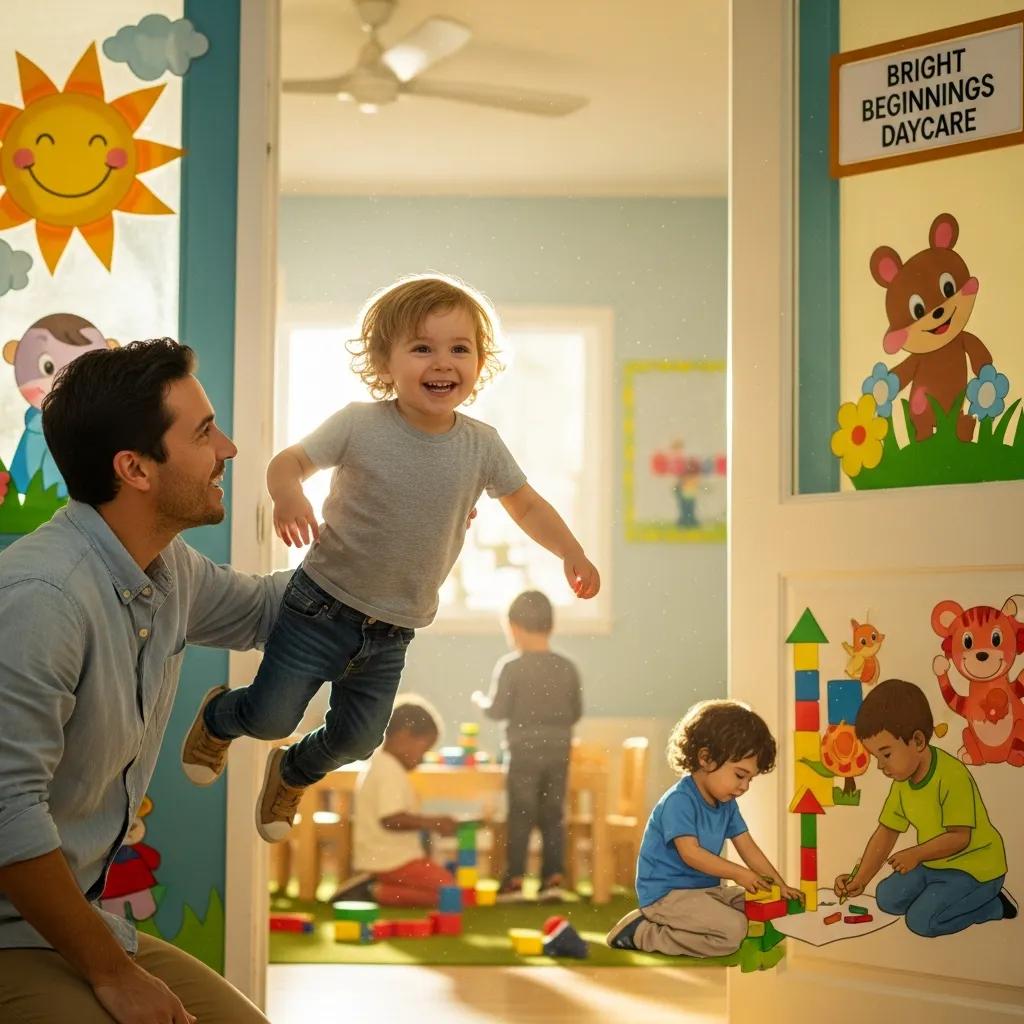
Establishing effective drop-off routines can significantly reduce a child’s anxiety during separations. Consistent and predictable routines offer emotional reassurance and help children understand what to expect during these transitions.
Which Step-by-Step Drop Off Techniques Build Secure Attachment and Emotional Reassurance?
Implementing specific techniques can aid in creating a supportive drop-off routine. Parents can consider the following steps:
- Create Goodbye Rituals: Establish a consistent way of saying goodbye, such as a special handshake or phrase, to give children a sense of stability.
- Stay Calm and Confident: Show confidence during the drop-off, as children often pick up on their parents’ emotions. Remaining calm helps reassure them that they will be safe.
- Short and Sweet Goodbyes: Prolonged farewells can escalate anxiety, so it’s best to keep goodbyes brief while expressing confidence in their ability to handle separation.
These techniques foster secure attachment by providing predictability and emotional security during transitions.
How Can Caregivers Prepare Themselves and Children for Smooth Morning Transitions?
Preparing for smooth morning transitions involves planning and open communication. Caregivers can employ several strategies to make mornings less frantic:
- Prepare the Night Before: Lay out clothes, pack bags, and prepare lunch to minimize morning chaos.
- Communicate Clearly: Talk to children about the day’s plans, reinforcing what they’ll do when separated. This clarity helps set expectations and reduces anxiety.
- Practice the Routine: Rehearsing drop-off routines through role-playing can familiarize children with what to expect during the actual event, building their confidence.
Taking these preparatory steps helps both caregivers and children approach morning transitions without added pressure.
What Transition Strategies Help Children of Different Ages Cope with Separation Stress?
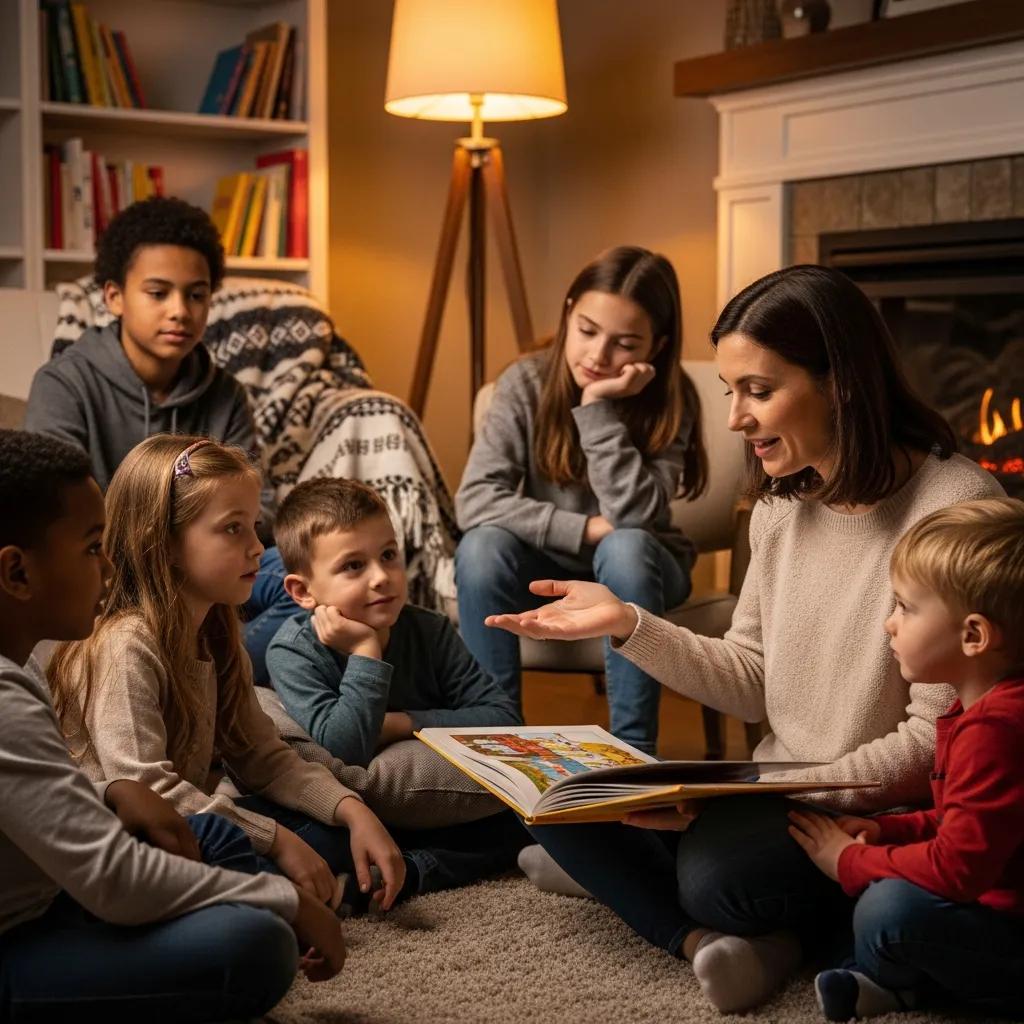
Understanding that transition strategies vary based on the child’s age is crucial for effectively addressing separation anxiety. Different age groups have distinct needs that require tailored approaches.
How Do Transition Tips Vary Between Toddlers, Preschoolers, and Early School Age Children?
Transition tips vary significantly by age.
- Toddlers: Focus on creating a predictable routine; use comfort objects or transitional items that serve as reminders of home.
- Preschoolers: Engage them in discussions about their feelings and encourage expression through play to better understand their emotions.
- Early School Age: At this stage, fostering independence becomes important. Encourage children to share their thoughts and feelings about separation, which promotes emotional regulation.
By being aware of these differences, caregivers can better support each child’s unique emotional landscape.
What Behavioral and Emotional Regulation Techniques Support Children During Transitions?
To support children during transitions, caregivers can utilize behavioral and emotional regulation techniques:
- Mindfulness Practices: Teaching simple mindfulness exercises, such as breathing techniques, can help children calm their anxiety.
- Emotional Coaching: Help children label their emotions during transitions, reinforcing that it’s okay to feel anxious and providing strategies to cope.
- Positive Reinforcement: Celebrate small victories and successes regarding their ability to handle drop-offs, encouraging continued emotional resilience.
These strategies promote healthy emotional development and build the skills necessary for managing separation experiences.
How Can Parents Foster Emotional Development to Support Separation Handling?
Fostering emotional development is critical for helping children manage their separation anxiety effectively. Emotional intelligence can be cultivated through various strategies that enhance resilience and trust.
What Role Does Secure Attachment Play in Reducing Separation Anxiety?
Secure attachment is pivotal in reducing separation anxiety; it allows children to feel safe and understood. When children have strong connections with their caregivers, they are more equipped to handle temporary separations. Strategies that enhance secure attachment include consistent responses to a child’s needs, physical affection, and active engagement in their experiences.
Which Communication and Reassurance Methods Encourage Child Confidence and Trust?
Effective communication can significantly impact a child’s confidence and trust. Parents can incorporate techniques such as:
- Active Listening: Showing interest in children’s feelings encourages them to express themselves openly.
- Reassurance: Regularly affirming the child’s safety and the stability of the caregiver’s presence can greatly enhance their confidence during separations.
- Predictable Check-Ins: Implementing structured times for checking in or communicating with the child while they’re apart can reinforce trust in the caregiver’s availability.
These communication methods create a strong emotional base, fostering the child’s ability to navigate separations more effectively.
When and How Should Parents Seek Professional Support for Separation Challenges?
There may be times when children’s separation anxiety becomes more than typical developmental behavior. Recognizing when to seek professional help is vital for ongoing emotional well-being.
What Signs Indicate Separation Anxiety Requires Intervention Beyond Home Strategies?
Parents should consider seeking professional support if they observe signs such as:
- Persistent Distress: If a child’s anxiety continues despite consistent reassurance and support.
- Physical Symptoms: Frequent complaints about physical issues like headaches or stomachaches that coincide with separations.
- Impact on Daily Functioning: If anxiety disrupts daily activities, including play, school, or social interactions.
Consulting a child psychologist can provide additional resources and strategies tailored to the child’s specific experiences.
Which Resources and Therapies Are Recommended by Child Development Experts?
There are various resources and therapeutic approaches that child development experts recommend for addressing severe separation anxiety:
- Cognitive Behavioral Therapy (CBT): This therapy can help children identify and manage their anxiety through structured strategies.
- Parent-Child Interaction Therapy (PCIT): This approach involves parents learning specific techniques to improve interactions and manage behavior.
- Books and Workshops: Many experts recommend reading materials that focus on emotional intelligence and separation strategies, which can provide valuable insights for parents.
Utilizing these resources can empower parents with the knowledge to effectively support their children through difficult separation periods.