
Helping Older Siblings Adjust to a New Sibling
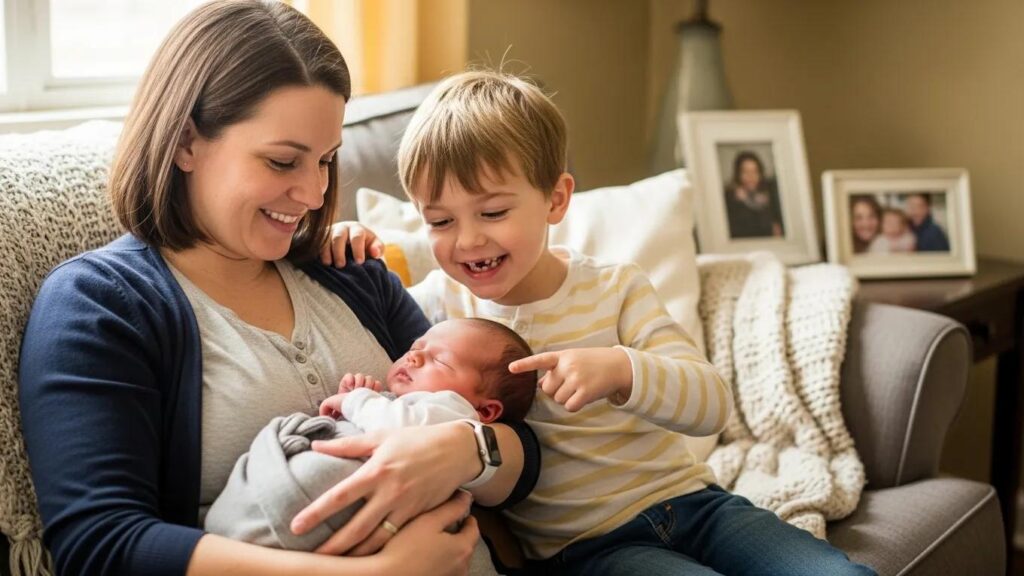
Helping Older Siblings Adjust to a New Sibling: Strategies to Ease Emotional and Behavioral Transitions
By Sweetgrass School, The Sweetgrass School
Welcoming a new baby can evoke a myriad of emotions in older siblings, ranging from excitement to anxiety. This comprehensive guide explores the specific emotional challenges that older siblings may face during this significant family transition. Understanding these dynamics is vital for parents who aspire to help their children adjust smoothly. The article delves into strategies that assist parents in preparing their older children for the arrival of a new sibling, as well as effective parenting techniques to cultivate positive relationships post-birth. Additionally, it examines the role of communication and emotional intelligence in this transition, aiming to foster a nurturing environment for all family members.
What Emotional Changes Do Older Siblings Experience with a New Baby?
The arrival of a new sibling often triggers profound emotional shifts in older children. Common reactions include jealousy, anxiety, and excitement. Recognizing these emotions is crucial, as they can significantly impact an older child’s behavior and overall family dynamics. Parents must comprehend these changes to effectively support their children through this period of adjustment.
What Signs Indicate Anxiety or Excitement in Older Children?
Older siblings may showcase various signs of both anxiety and excitement. Signs of anxiety can manifest as clinginess, increased tantrums, or withdrawal from activities. Conversely, excitement might be displayed through eagerness to assist with the newborn or an increased interest in family discussions about the baby. Understanding these emotional responses can help parents manage potential challenges and address their child’s needs effectively.
How Can Parents Prepare Older Siblings for the Arrival of a New Baby?
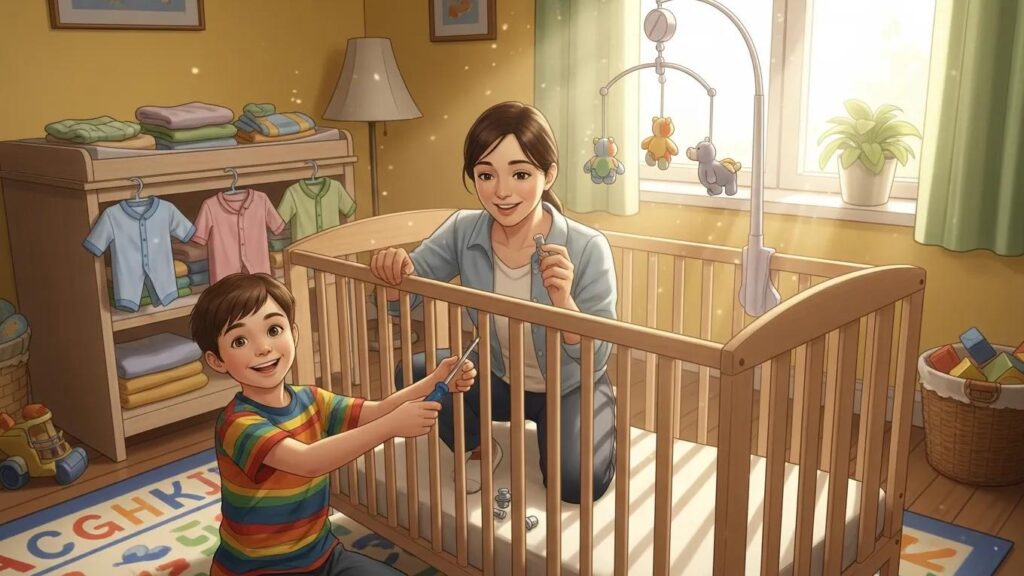
Preparation is key to easing the transition for older siblings. Engaging them in discussions about the upcoming changes can significantly alleviate feelings of uncertainty. Creating an inclusive environment where they feel heard and valued encourages acceptance and understanding of their new family dynamics.
How to Set Realistic Expectations for Older Children Before Birth?
Setting realistic expectations for older siblings involves clear communication about what they can anticipate. Discussing potential changes in daily routines, such as shared parental attention, is essential. Parents should emphasize their ongoing love and commitment to their older child while encouraging them to participate in preparations, fostering a sense of inclusion and excitement.
What Parenting Strategies Support Older Siblings After the Newborn’s Arrival?
Following the birth of a new baby, it is crucial to maintain individual attention for the older sibling. This strategy helps them feel valued and reassured. Maintaining open lines of communication, allowing older siblings to express their feelings and concerns, is vital to their emotional adjustment during this period.
What Communication Techniques Help Manage Emotional Adjustment?
Effective communication techniques can greatly assist in managing an older sibling’s emotional adjustment. Using open-ended questions can encourage them to share their feelings, while creating a safe space for expression is paramount. Parents can help their children articulate their emotions, reinforcing the idea that it’s normal to have a range of feelings during this transition.
How to Identify and Manage Common Behavioral Challenges in Older Siblings?
Identifying and addressing behavioral challenges in older siblings quickly is critical for maintaining family harmony. Many older children may exhibit regression in behaviors, showing signs of jealousy or rivalry towards the newborn. Understanding these common traits allows parents to enact proactive measures tailored to support their child through this transition.
How to Prevent and Resolve Sibling Rivalry?
To prevent and resolve sibling rivalry, fostering shared activities can be beneficial. Encouraging older siblings to engage in games or projects with the newborn can help to build a cooperative relationship. Establishing fair rules and ensuring both children receive equal attention from parents further mitigates feelings of rivalry.
How Can Families Encourage Positive Bonding Between Siblings?
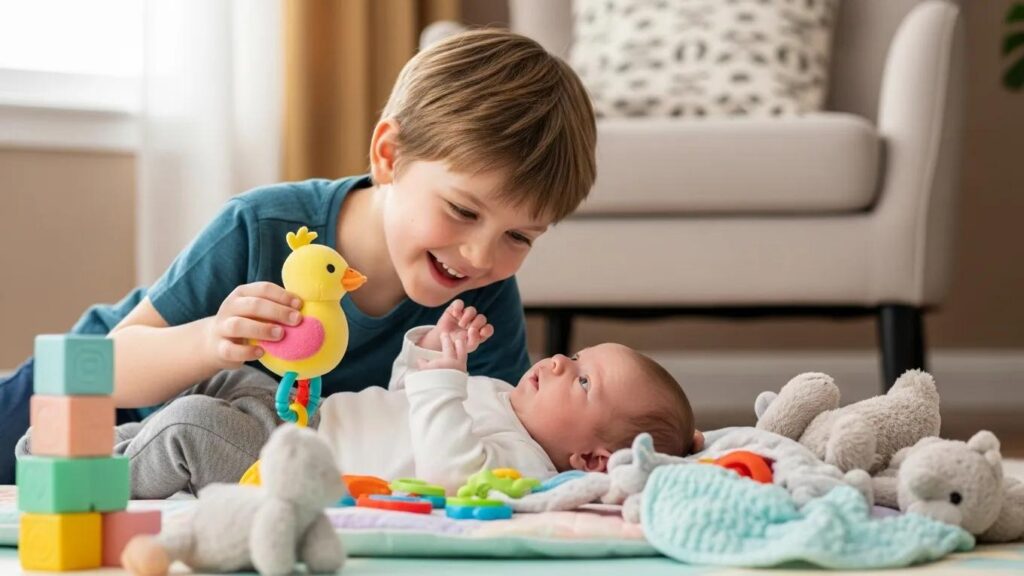
Encouraging positive bonding between siblings can create enduring familial relationships. Engaging in activities specifically designed for siblings, such as playdates or outings, helps strengthen their connection. Celebrating milestones or achievements together can also provide shared experiences that enhance their bond.
How Does Building Emotional Intelligence Help Sibling Acceptance?
Building emotional intelligence in children can significantly ease sibling acceptance. By helping older siblings understand and navigate their emotions, parents can foster empathy, making it easier for them to adjust to their new family dynamic. Teaching skills such as recognizing feelings and practicing compassion can improve relationships and promote harmony in the household.
What Resources and Support Networks Are Available for Families?
Families facing challenges during sibling transitions can benefit from various resources and support networks. From parenting workshops to online forums, there are numerous avenues for parents to seek assistance and guidance.
How Do Support Groups Aid Parental Coping and Child Development?
Support groups can provide invaluable resources for parents navigating the emotional landscape of introducing a new sibling. These networks often facilitate the sharing of experiences, offering parents insights and strategies that can enhance their coping mechanisms. Accessing expert advice through these connections can also bolster child development, ensuring a well-rounded approach to parenting during this transitional phase.
Studies highlight that a warm sibling relationship can significantly contribute to a child’s adjustment, impacting their behavior positively as reported by parents and teachers.
Sibling Warmth & Child Adjustment: Impact on Behavior
Sibling relationship quality (warmth, agonism/competition) was proposed to predict children’s adjustment (behavioral problems and adaptation) longitudinally. Results indicate that after controlling for child characteristics (temperament, child gender, birth order) and after accounting for family characteristics (family emotional expressiveness, child exposure to interparental conflict, and parental agreement on childrearing), sibling warmth made a significant and unique contribution to child adjustment as reported by mothers and teachers six months later.
Family emotional climate and sibling relationship quality: Influences on behavioral problems and adaptation in preschool-aged children, AR Taylor, 2007