
How to Find the Best Daycare Near Me in Mount Pleasant SC
How to Find the Best Daycare Near Me in Mount Pleasant SC
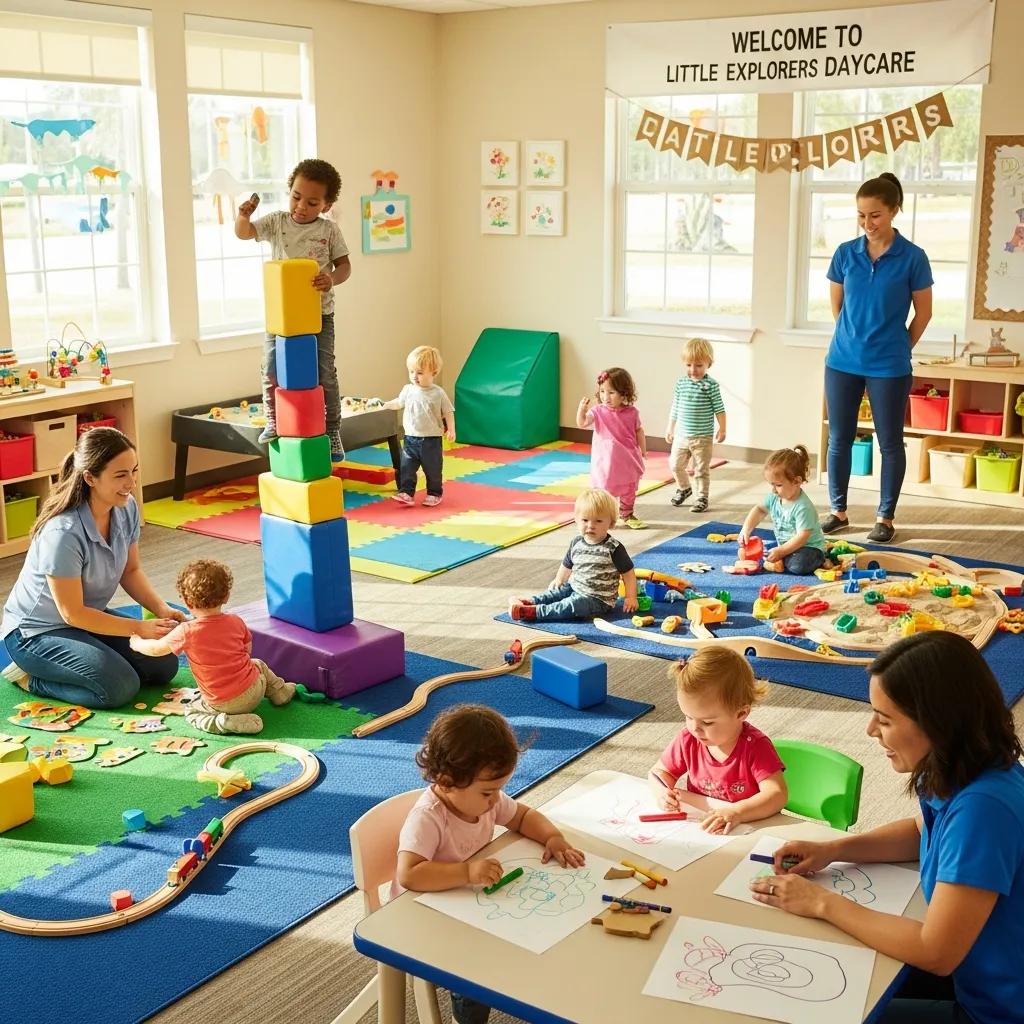
Finding the right daycare in Mount Pleasant, SC means prioritising safety, early learning, and the right educational approach. This guide explains what to look for, the safety standards to expect, how Montessori supports development, and the programs offered by The Sweetgrass School for children from 6 weeks to 5 years.
Key Takeaways
- Quality daycare emphasises safety and early learning.
- Look for engaging spaces, trained staff, and flexible enrollment.
- Hygiene and monitoring systems are essential safety measures.
- Montessori fosters independence through hands-on learning.
- The Sweetgrass School serves infants through preschool with Montessori elements.
- Preschool readies children for school with milestone-focused activities.
- Clear parent–educator communication supports child development.
- Tools like ProCare Connect help maintain timely updates.
What Are the Key Features of Quality Daycare in Mount Pleasant SC?
When evaluating daycares, prioritise features that create a safe, stimulating, and age-appropriate setting.
- Engaging and Safe Environment: Safe spaces with varied materials encourage exploration and play.
- Qualified Staff: Trained caregivers with early childhood experience support learning and well‑being.
- Flexible Enrollment Options: Part‑time and full‑time choices help families balance schedules.
These core features support healthy development and make daily routines predictable for children.
Research identifies consistent qualities of high‑quality childcare centres.
Identifying Key Components of Quality Daycare Centers
A survey of parents, teachers, and directors identified specific characteristics of a quality day care center. The questionnaire examined five major areas: center; program; staff; emergency, health and food procedures and policies; and parental role and types of evaluation.
A Study Identifying the Components of a Quality Child Care Center., 1975
| Feature | Description | Importance |
|---|---|---|
| Engaging Environment | Interactive play areas and learning materials | Encourages exploration and creativity |
| Qualified Staff | Trained educators with experience in child development | Ensures quality care and education |
| Flexible Enrollment | Options for part-time or full-time care | Meets diverse family needs |
The table highlights core features to compare when touring centres.
Which Safety Standards Should Parents Expect?
Safety is paramount. Expect clear, documented procedures and visible practices that protect children.
- Cleanliness and Hygiene Practices: Regular cleaning and sanitisation of toys, surfaces, and play areas.
- Safety Monitoring Systems: Secure entry, supervised transitions, and monitoring to control access.
- Staff Training and Qualifications: Staff trained in first aid, emergency response, and child‑safe practices.
Ask to see policies, daily cleaning logs, and staff certifications during a visit.
How Does Montessori Education Support Early Childhood Development?
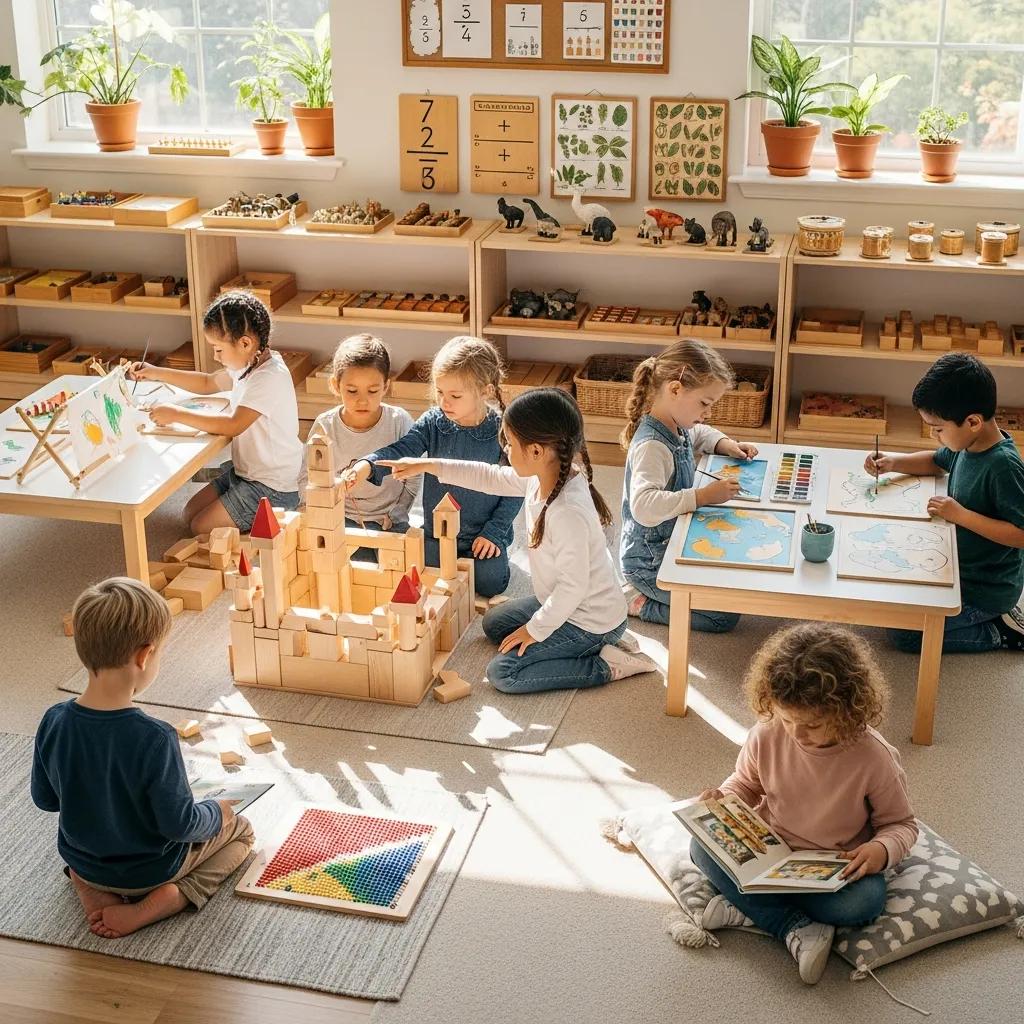
Montessori is child‑centred and emphasises hands‑on learning, independence, and mixed‑age social learning. Activities are structured but child‑led, using practical materials to develop skills.
- Focus on Holistic Development: Programs support emotional, social, and cognitive growth.
- Engaging Learning Environment: Children explore materials at their own pace to build confidence.
- Thematic Units for Exploration: Topics encourage problem solving and cross‑discipline connections.
Evidence shows Montessori can be effective across diverse settings when implemented with fidelity.
Montessori Philosophy in Early Childhood Education
Although Montessori programs are increasingly present in public schools, Montessori educational experiences have often been located in more affluent communities. The SYNC project sought to improve prekindergarten through grade 3 experiences for traditionally underserved students by converting two early childhood classrooms to Montessori settings within a diverse, Title I school. The study notes that Montessori pedagogy, curricula, and materials were applied alongside the school’s commitment to social justice.
Montessori Education and a Neighborhood School: A Case Study of Two Early Childhood Education Classrooms., K Park, 2020
At The Sweetgrass School, Montessori principles are used to create a nurturing, hands‑on curriculum that supports each child’s progress.
What Age Groups and Programs Does The Sweetgrass School Offer?
The school serves infants through preschool, organising programs to match developmental stages.
- Programs for Infants and Toddlers: Focus on sensory exploration and early motor skills.
- Preschool Programs: For ages 3–5, building social skills, early literacy, and numeracy.
- Montessori Approach: Hands‑on activities and self‑directed exploration are integrated across classes.
Programs aim to build a strong foundation for kindergarten readiness.
How Do Preschool Programs Prepare Children for School?
Preschool readies children by aligning activities with learning standards and developmental milestones.
- Adherence to Early Learning Standards: Curriculum supports state and national expectations for kindergarten readiness.
- Focus on Developmental Milestones: Language, motor, and social skills are supported through targeted activities.
- Engaging Thematic Units: Themes help children connect ideas across subjects and deepen understanding.
These approaches combine to promote academic and social readiness for school.
How Can Parents Navigate the Enrollment Process in Mount Pleasant Daycares?
Simplify enrollment by preparing needs, visiting facilities, and completing paperwork promptly.
- Determine Enrollment Needs: Match hours and services to your family’s schedule.
- Schedule a Tour: Observe routines, staff interactions, and safety practices.
- Complete the Application: Provide required documents and meet deadlines.
Comparing several centres makes it easier to select the best fit.
What Are the Steps to Register Your Child at The Sweetgrass School?
Registration follows a clear sequence to confirm placement.
- Complete the Application Form: Provide child and family details.
- Submit Application Fee: Fees may apply to hold a spot.
- Receive Confirmation: The school will confirm enrollment once processed.
Contact the school for any clarification during the process.
Which Documents and Requirements Are Needed for Enrollment?
Gather forms and records ahead of time to speed enrollment.
- New Student Application Form: Basic child and family information.
- Application Fee Details: Fee information and payment methods.
- Additional Requirements: Typical items include health and immunization records and proof of residency.
Having documents ready reduces delays.
How Does The Sweetgrass School Communicate and Engage with Parents?
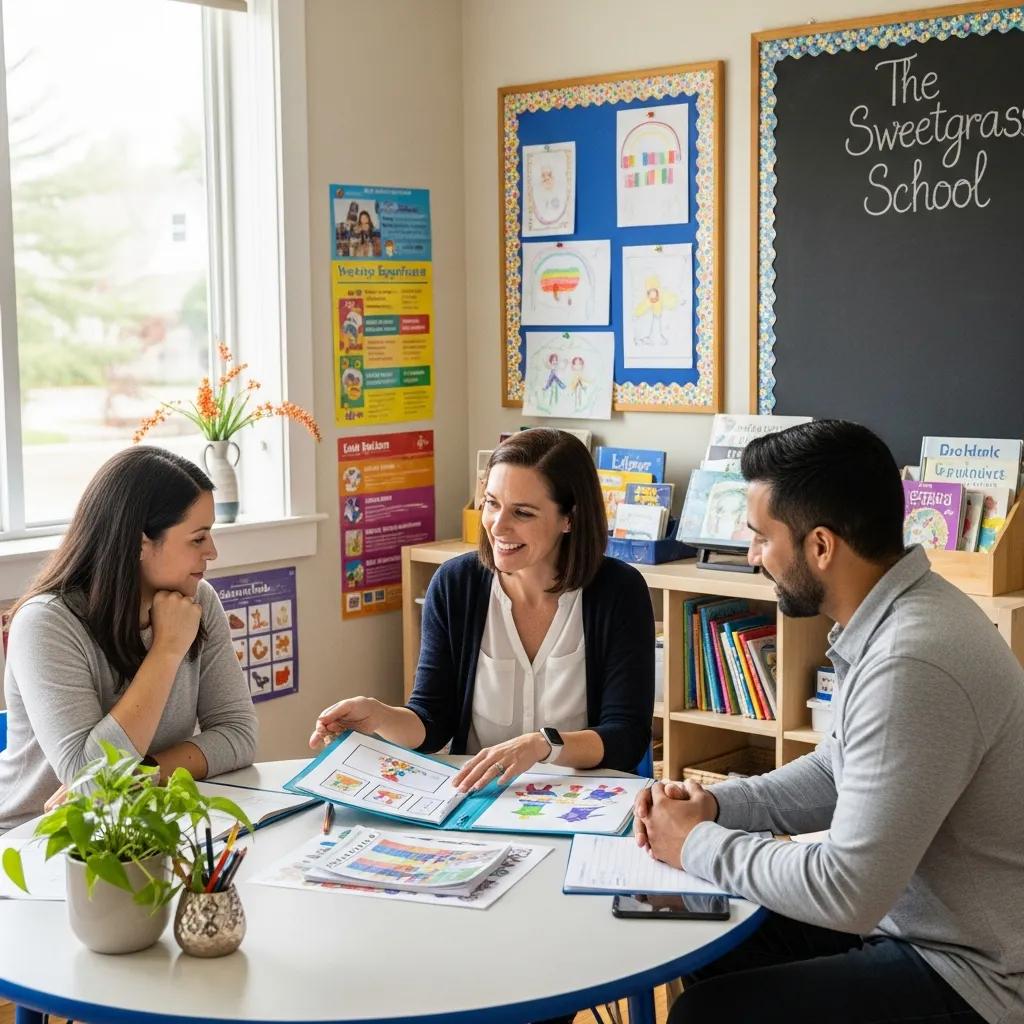
The school uses multiple channels to keep families informed and involved.
- ProCare Connect Platform: Digital updates and messaging.
- Face-to-Face Contact: Meetings and events for direct engagement.
- Regular Updates: Consistent progress notes and activity reports.
These channels help maintain a reliable partnership between parents and educators.
What Parent Communication Tools Are Available?
Several convenient tools support timely communication.
- ProCare Connect: For daily updates and messages.
- Phone Calls: For immediate or sensitive issues.
- Text Messages: Short notices and reminders.
Use the platform that best fits your needs for quick and clear updates.
How Does Ongoing Engagement Support Child Development?
Regular engagement between parents and educators strengthens consistency and supports growth.
- Open Communication: Ongoing dialogue clarifies needs and progress.
- Understanding Child’s Needs: Educators guide families on developmental milestones.
- Support in Development: Joint strategies between home and school reinforce learning.
Consistent collaboration benefits a child’s emotional and educational development.
Family involvement in early childhood education positively affects children’s development, especially when combined with professional engagement. Research also explores barriers and digital tools to improve parent–practitioner communication.
Family Involvement & Communication in Early Childhood Education
There is considerable evidence that highlights the importance of family involvement in early childhood education and care (ECEC) on children’s development and how when combined with professional involvement has a very positive impact on children’s holistic development and therefore, quality ECEC.
… barriers and solutions to increase parent-practitioner communication in early childhood care and educational services: The development of an online communication …, A Oke, 2021
Frequently Asked Questions
What should I consider when choosing a daycare in Mount Pleasant SC?
Check safety policies, staff qualifications, curriculum, and whether the environment feels nurturing. Tour facilities and ask about daily routines.
How can I assess the quality of staff at a daycare?
Ask about credentials, training, and turnover. Observe interactions during a visit to judge warmth and engagement.
What are the benefits of a Montessori approach in daycare settings?
Montessori promotes independence, focus, and hands-on problem solving, letting children learn at their own pace.
How can parents stay involved in their child's daycare experience?
Use communication tools, attend meetings and events, and reinforce activities at home to support continuity.
What are common enrollment challenges parents face?
Common issues are missing documents, deadlines, and matching schedules. Prepare forms early and compare multiple centres.
What role does parent-teacher communication play in child development?
Clear communication helps track progress, align strategies, and respond quickly to needs, improving outcomes.
How can I prepare my child for the transition to preschool?
Introduce routines, encourage social interactions, and talk positively about school to build confidence.
Conclusion
Choosing the right daycare in Mount Pleasant, SC means balancing safety, developmental fit, and strong communication. Prioritise trained staff, secure practices, and an approach—such as Montessori—that aligns with your child’s needs. Start with tours and clear questions to find a nurturing setting that supports your child’s next steps.