
Key Research Findings in Early Childhood Education
Key Research Findings in Early Childhood Education: Understanding Child Development Stages and Effective Learning Outcomes
Early childhood is a critical period in human development, marked by rapid growth and significant changes in cognitive and social abilities. Understanding the foundational aspects of child development is essential for educators, parents, and policymakers. This article explores key research findings that illuminate the stages of brain development, effective learning outcomes, and optimal practices that support children’s growth. By examining these elements, we can better address the diverse needs of young learners, ensuring that they receive the best start in life. Topics covered include the critical brain development stages, evidence-based practices to improve educational outcomes, key developmental milestones, the role of neuroscience, effective assessment methods, and the importance of parent and family engagement.
What Are the Critical Brain Development Stages in Early Childhood?
The critical brain development stages in early childhood significantly influence a child’s learning capacity and emotional well-being. During this period, the brain is highly adaptable, undergoing rapid changes that set the foundation for all future learning. This adaptability is largely due to brain plasticity, which enables the brain to reorganize and form new connections in response to experiences. Furthermore, sensitive periods play a vital role in this development, as certain skills are best acquired during specific timeframes, impacting long-term outcomes.
Delving deeper into brain development stages reveals how neurogenesis, synaptogenesis, and other processes are intimately linked with environmental influences and brain plasticity.
Brain Development Stages and Environmental Influences
Brain development progresses through a series of stages beginning with neurogenesis and progressing to neural migration, maturation, synaptogenesis, pruning, and myelin formation. Eight basic principles of brain plasticity are identified. Evidence that brain development and function is influenced by different environmental events such as sensory stimuli, psychoactive drugs, gonadal hormones, parental-child relationships, peer relationships, early stress, intestinal flora, and diet.
Brain plasticity and behaviour in the developing brain, B Kolb, 2011
How Does Brain Plasticity Influence Early Learning?
Brain plasticity refers to the brain’s ability to change and adapt as a result of experience. In early childhood, this adaptability is crucial for effective learning. For example, when children are exposed to diverse stimuli, such as language and social interactions, their brains form new neural connections that enhance cognitive abilities. This development underlines the importance of creating enriched learning environments that offer varied experiences to facilitate optimal brain growth.
What Are Sensitive Periods and Their Impact on Child Development?
Sensitive periods are specific times in early childhood when the brain is particularly receptive to acquiring certain skills. Research indicates that learning fundamental aspects of language typically occurs during the first few years of life. These periods present unique opportunities for parents and educators to introduce concepts in a manner that takes advantage of this heightened sensitivity, ensuring better retention and mastery of skills.
Which Evidence-Based Practices Improve Early Childhood Education Outcomes?
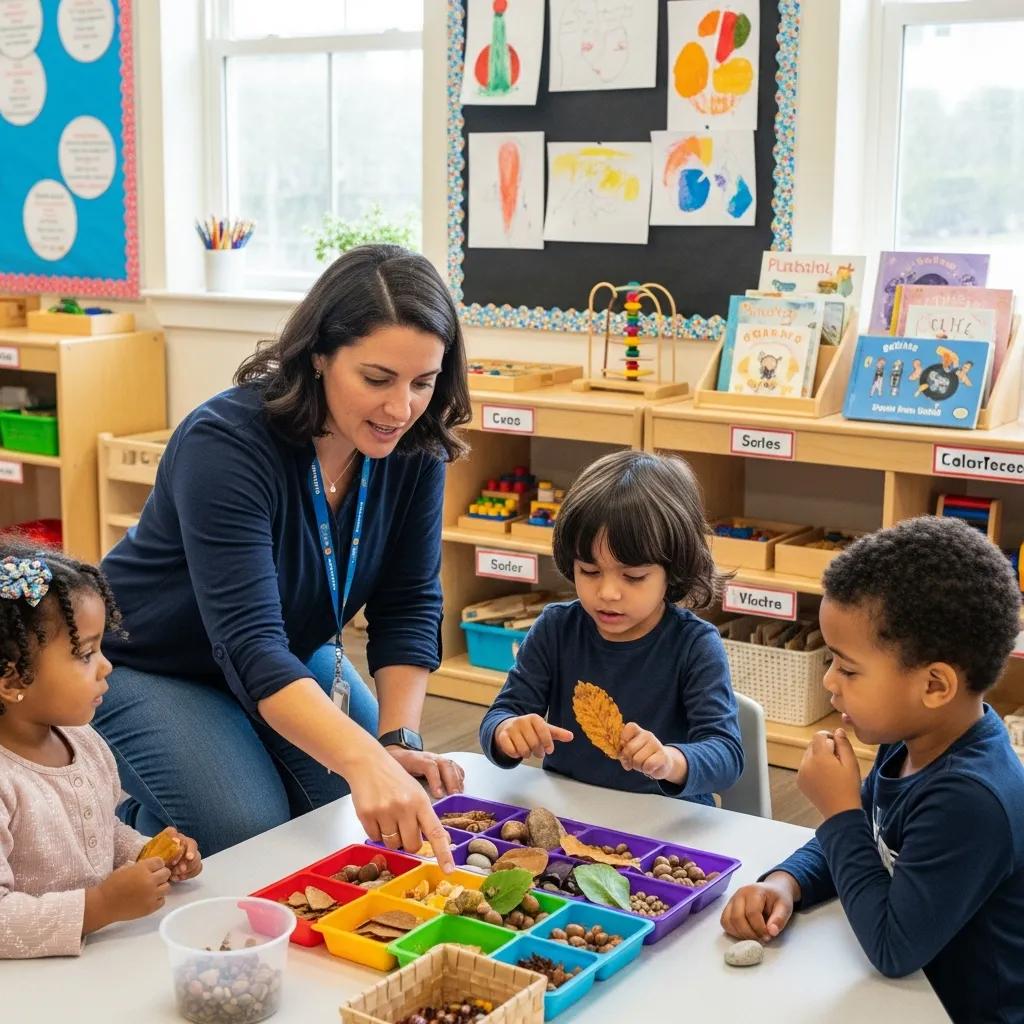
Evidence-based practices, grounded in research and proven effectiveness, are essential in enhancing educational outcomes for young children. Understanding these practices allows educators to implement strategies that directly improve learning experiences and developmental milestones.
How Does Play-Based Learning Support Cognitive and Social Growth?
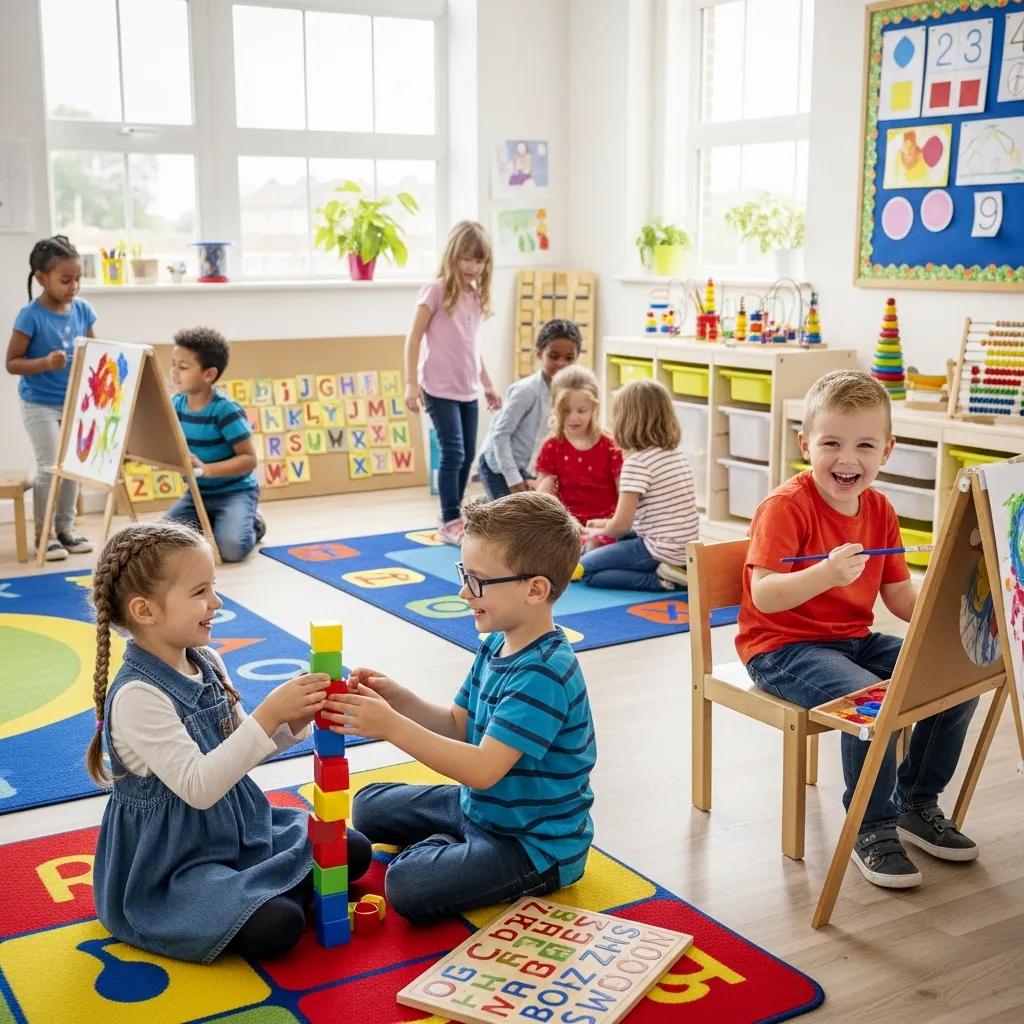
Play-based learning is an instructional strategy that emphasizes the role of play in children’s education. This method fosters cognitive growth by encouraging exploration and problem-solving in a natural context. Through play, children develop social skills as they interact with peers, learn to share, and understand the perspectives of others. The flexibility of play also allows for creativity and imagination, key components of learning that traditional teaching methods often overlook.
What Role Does Direct Instruction Play in Early Learning?
Direct instruction is a structured teaching approach that involves explicit teaching of concepts and skills. While some may argue that this method is less engaging, research shows that when implemented correctly, direct instruction can effectively enhance early learning outcomes. Effective strategies include providing clear explanations, modeling behaviors, and using formative assessments to gauge understanding, thereby directly supporting children’s educational progress.
What Are Key Cognitive and Social Development Milestones in Early Childhood?
Cognitive and social development milestones are critical indicators of a child’s growth and learning readiness. These milestones serve as benchmarks to assess developments and can inform parents and educators about the support needed to enhance children’s learning experiences.
How Do Developmental Milestones Reflect Child Cognitive Skills?
Developmental milestones are observable skills that typically occur at specific ages during early childhood. For instance, children often start to speak simple sentences around age two, which reflects their growing cognitive abilities. These milestones not only indicate progress but also guide caregivers in understanding when additional support may be necessary for their child’s development, ensuring timely intervention.
Which Social Emotional Learning Milestones Influence Childhood Success?
Social emotional learning milestones encompass skills that contribute to emotional intelligence and interpersonal effectiveness. Key milestones include the ability to recognize and express emotions, establish positive relationships, and develop empathy. Children who achieve these milestones are more likely to experience success in school and later life, underscoring the importance of integrating social-emotional learning in early childhood education.
How Can Neuroscience Research Advance Early Childhood Educational Practices?
Neuroscience research provides valuable insights into how children’s brains develop and learn. By aligning educational practices with neurological findings, educators can create more effective learning environments that cater to the unique developmental needs of children.
What Neuroscience Insights Inform Culturally Responsive Teaching?
Culturally responsive teaching acknowledges and incorporates students’ cultural backgrounds into the learning process. Neuroscience suggests that culturally relevant content can enhance engagement and understanding by making learning more relatable to students’ experiences. Understanding these insights allows educators to adapt their teaching methods to be more inclusive, ultimately benefiting children’s learning outcomes.
How Does Social Emotional Learning Integrate with Brain Development Research?
Social emotional learning (SEL) is increasingly recognized for its impact on a child’s academic success. Research shows that emotional regulation and social skills are rooted in brain development. By fostering these abilities, SEL can improve academic performance, promote resilience, and enhance overall well-being, highlighting the interconnectedness of emotional health and cognitive learning.
What Are Effective Assessment and Evaluation Methods in Early Childhood Education?
Effective assessment methods are essential to monitor children’s progress and inform instruction. High-quality assessments provide insights into children’s learning and development, allowing teachers to tailor their approaches accordingly.
Which Tools Best Measure Learning Outcomes and Developmental Progress?
Various assessment tools can measure learning outcomes and developmental progress in early childhood education. These may include observational assessments, standardized tests, and performance-based assessments. Each tool has its unique strengths, and combining methods can provide a comprehensive understanding of a child’s abilities.
How Do Assessments Support Continuous Improvement in Early Education?
Assessments not only allow educators to understand individual student needs but also foster continuous improvement of teaching strategies. Regularly analyzing assessment data enables educators to refine instructional methods and enhance classroom practices, driving better educational outcomes over time.
How Does Parent and Family Engagement Enhance Early Childhood Learning Outcomes?

Active engagement of parents and families is critical for enhancing children’s educational outcomes. Their involvement can reinforce learning and provide essential support for children’s development outside the classroom.
What Parent Strategies Support Social and Cognitive Development?
Parents can employ various strategies to support their children’s cognitive and social development. Encouraging play, reading together, and engaging in conversations are excellent ways to enrich children’s learning experiences. These strategies not only promote learning but also strengthen the emotional bonds between parents and children.
How Can Families Collaborate Effectively with Early Childhood Programs?
Collaboration between families and early childhood programs is vital for achieving consistent learning experiences for children. Establishing open lines of communication and involving families in program activities can enhance children’s engagement and learning outcomes, creating a supportive educational environment both at home and in school.