
Supporting Young Children's Emotional Health

Supporting Young Children's Emotional Health: Effective Emotion Coaching and Behavior Management Strategies
Supporting the emotional health of young children is crucial for their overall development and well-being. Strong emotional health not only contributes to children’s happiness but also lays the foundation for lifelong mental health. In this article, we will explore effective strategies, such as emotion coaching and behavior management techniques, designed to support children during key developmental milestones. By understanding the importance of emotional health, caregivers can help children navigate their feelings and build resilience. This comprehensive guide will address what emotional health entails, various coaching techniques, and strategies for behavior management while offering insights into the role parents play in fostering a supportive environment.
What Is Child Emotional Health and Why Does It Matter?
Child emotional health refers to the ability of young children to recognize, understand, and communicate their emotions while also managing their feelings effectively. This dimension of health is essential because it significantly influences children’s overall development. Studies show that children with strong emotional health exhibit better academic performance, social skills, and relationships.
Social-Emotional Competence: Foundation for Child Mental Health
As children move from infancy through early childhood, their social and emotional competence forms the underpinnings of their mental health. Infant and early childhood mental health and development shape this chapter, which integrates research in the biology of social emotional development, its behavioral manifestations, and the importance of social relationships for its development. This chapter discusses some developmental milestones (e.g., object permanence and behavior inhibition) which support social and emotional development in the first years of life, which the infant acquires at a very early stage, beginning almost immediately after birth with parent-child bonding. Social and emotional development in infant and early childhood mental health, 2016
Defining Emotional Health in Young Children
Emotional health in young children encompasses several key components, including self-awareness, self-regulation, empathy, and social competence. These elements enable children to express their feelings appropriately and to respond to the feelings of others. Understanding what constitutes emotional health provides a foundation for recognizing its importance in child development.
Key Emotional Development Milestones for Toddlers
Tracking emotional development is vital for caregivers. From 1 to 3 years, toddlers progress through various emotional milestones:
- Early Recognition of Emotions: Children start recognizing basic emotions in themselves and others.
- Development of Empathy: They begin to show concern for others’ feelings around age two.
- Self-Regulation Skills: By age three, children start developing the ability to manage their emotional responses.
These milestones serve as indicators of healthy emotional growth and help caregivers understand when children are developing typically.
What Are Emotion Coaching Techniques for Young Children?
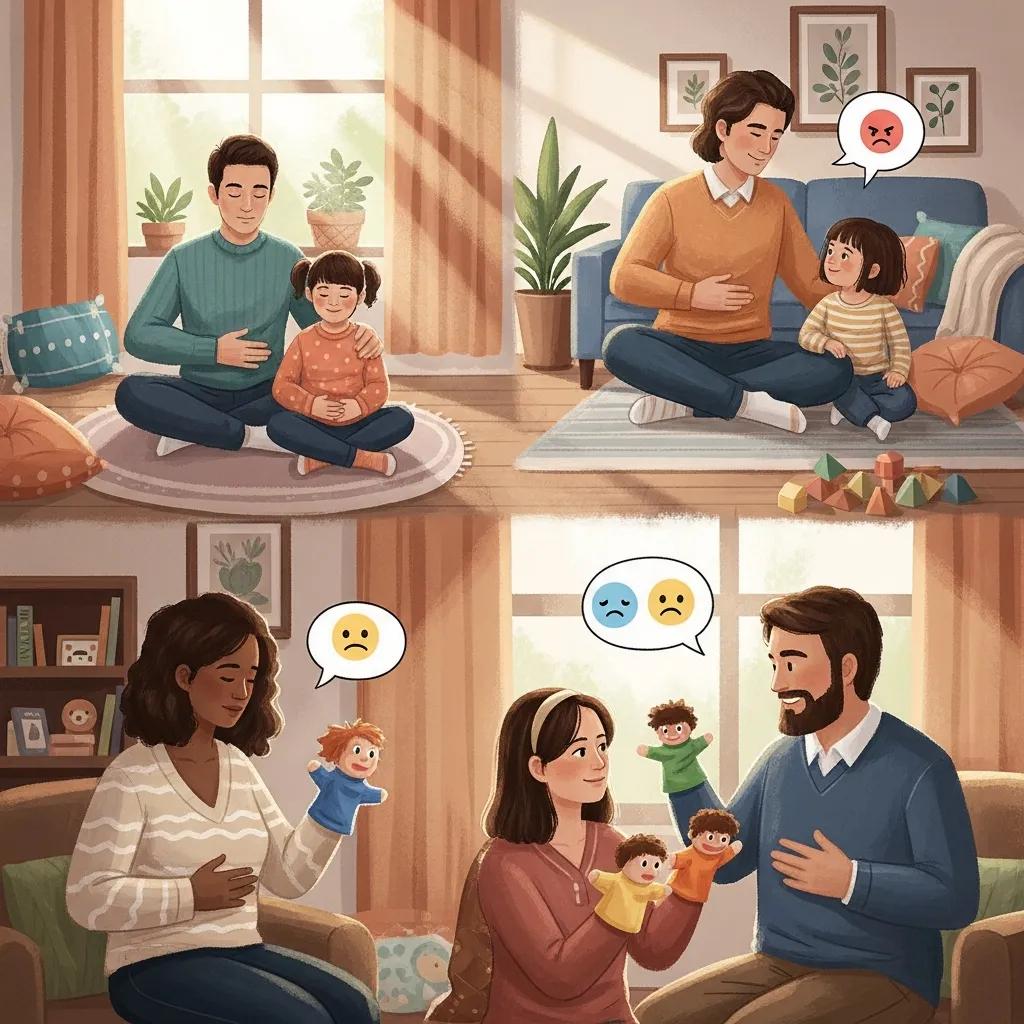
Emotion coaching involves helping children understand and manage their emotions effectively. This approach lays the groundwork for emotional resilience and well-being.
Principles and Benefits of Emotion Coaching
Emotion coaching is based on several fundamental principles:
- Validation of Feelings: Acknowledging a child’s feelings has been shown to promote emotional literacy.
- Teaching Emotional Vocabulary: Introducing children to words that describe their feelings can enhance their ability to express emotions.
- Modeling Healthy Responses: Demonstrating appropriate emotional responses provides children with valuable examples.
The benefits of this approach are profound. Children who engage in emotion coaching tend to develop stronger emotional regulation skills, leading to better social interactions and a more profound understanding of themselves and others.
Emotion Coaching Enhances Behavioral Training in Children
1. Disruptive behaviors in childhood yield negative mental health outcomes. Both behavioral management and emotion coaching parenting programs were effective in reducing children’s disruptive behaviors. This randomized control trial (RCT) study evaluated the effectiveness of a community clinic-based, parent training program that incorporated emotion coaching into behavioral training (BPEC) for 119 parents who expressed difficulty in handling their elementary school-aged children’s disruptive behaviors. These parents were randomly assigned to the treatment group or waitlist control. Incorporating emotion coaching into behavioral parent training program: evaluation of its effectiveness, 2024
How Can Parents and Caregivers Implement Emotion Coaching?
Implementing emotion coaching strategies can involve:
- Active Listening: Pay attention to what the child is expressing verbally and non-verbally.
- Encouraging Expression: Promote open conversations about feelings.
- Role-Playing Scenarios: Help children practice managing their emotions through guided activities.
By employing these strategies, caregivers can create an environment where children feel safe to express their emotions.
Which Behavior Support Strategies Help Manage Young Children’s Emotions?
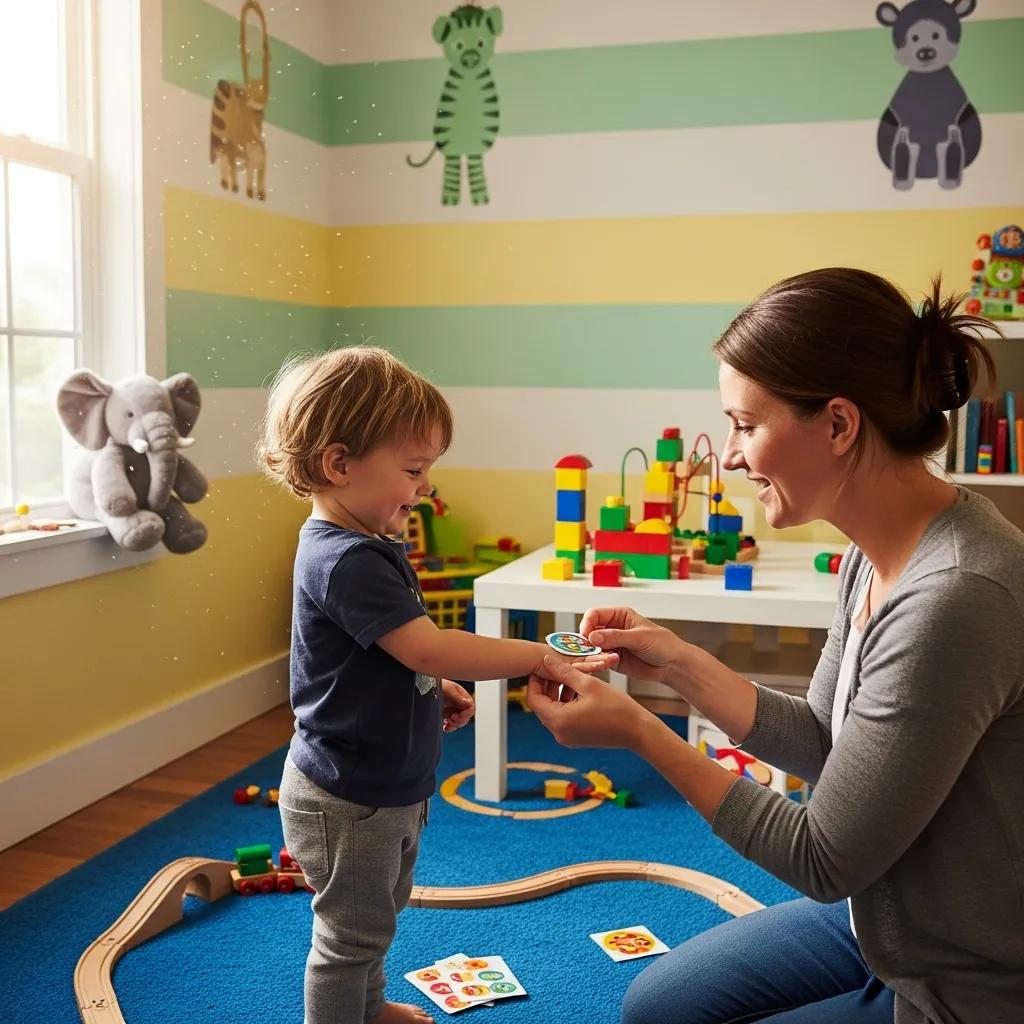
Effective behavior support strategies can help manage emotional responses in young children, facilitating their emotional development.
Positive Behavior Support Approaches for Toddlers
Positive behavior support approaches focus on reinforcing desirable behaviors through praise and encouragement. Specific strategies may include:
- Modeling Positive Behavior: Demonstrating desired behaviors helps children learn through observation.
- Setting Clear Expectations: Clear guidelines assist children in understanding what is expected of them.
- Reward Systems: Simple rewards for positive behavior can reinforce good habits.
Such an approach fosters an atmosphere of support and understanding, contributing positively to a toddler’s emotional landscape.
Case Examples Demonstrating Effective Behavior Management
Case studies highlight the effectiveness of positive behavior support strategies. For instance, one study showed that children who received consistent praise for sharing toys exhibited a marked increase in cooperative play. Another example includes using stickers to reward toddlers for managing their emotions during stressful situations, leading to improved self-regulation.
How Does Emotional Regulation Develop in Young Children?
Emotional regulation is a vital aspect of child development that involves controlling one’s emotional responses. Understanding its progression is crucial for caregivers.
Stages of Emotional Regulation in Early Childhood
Emotional regulation develops through several key stages in early childhood:
- Emotion Recognition: Initially, children learn to identify emotions in themselves.
- Impulse Control: Slowly, they start practicing self-control during demanding situations.
- Adaptive Strategies: Finally, they learn strategies to cope with and adapt their emotional responses effectively.
Each stage builds upon the previous one, leading to more substantial emotional intelligence as children grow.
Emotional Development and Regulation in Early Childhood
This chapter describes central stages in the development of emotions and emotion regulation. A developmental theory is proposed that focuses on the complex interaction of emotions and social interactions. Expression signs for emotions in caregiver–child interaction are seen as an important mediating factor that serves as the critical means of communication, particularly during early ontogenesis, and through which culture enters emotion. The growing ability to regulate emotionsintrapersonally becomes increasingly important for a socially coordinated and adequate regulation of actions.
Milestones and mechanisms of emotional development, M Holodynski, 2008
Signs of Emotional Distress and When to Seek Help
Recognizing signs of emotional distress is essential for timely intervention. Some common indicators include:
- Frequent Tantrums: Persistent emotional outbursts could signify deeper issues.
- Withdrawal from Activities: A sudden lack of interest in play or social interactions may indicate distress.
- Changes in Sleep Patterns: Difficulty sleeping or increased nightmares can also signal emotional struggles.
If such signs persist, seeking help from a mental health professional can provide valuable support for both the child and caregiver.
What Role Do Parents Play in Supporting Emotional Health?
Parents play a crucial role in cultivating their children’s emotional health and well-being.
Guidance and Strategies for Parental Support
Effective parental support strategies include:
- Open Communication: Encourage children to express their emotions and share their experiences.
- Consistent Routines: Establishing routines creates a sense of security for children.
- Empathetic Responses: Responding compassionately to a child’s feelings fosters trust and emotional safety.
Such practices empower children to feel confident in expressing their emotions.
Creating a Safe and Nurturing Environment at Home
A nurturing home environment can dramatically influence a child’s emotional health. Key elements include:
- Stable Relationships: Build strong, dependable relationships that children can rely on.
- Safe Spaces: Designate areas where children can retreat when feeling overwhelmed.
- Emotionally Safe Discussions: Regular discussions about feelings create an open dialogue.
By maintaining such an environment, caregivers can support their children’s emotional well-being effectively.
What Are Common Questions About Supporting Toddler Emotional Development?
Caregivers often have questions regarding how to best support their young children’s emotional development.
How Can I Help My Child Manage Strong Emotions?
Parents can help children manage strong emotions through a variety of techniques, including:
- Teaching Deep Breathing: Encourage children to practice deep breathing to calm their emotions.
- Developing Emotion Charts: Create visual aids to identify and discuss feelings.
- Practicing Mindfulness: Introduce simple mindfulness exercises to promote emotional awareness.
These strategies empower children to recognize and handle their emotions constructively.
What Are Effective Ways to Recognize and Respond to Emotional Needs?
Recognizing and responding to emotional needs involves:
- Active Listening: Show genuine interest in what your child expresses about their feelings.
- Reflecting Emotions: Repeat back what your child says to validate their feelings.
- Providing Reassurance: Offer comfort and reassurance to help alleviate their distress.
By acknowledging emotional needs, caregivers can help validate and support their children, promoting healthier emotional development.