
Top Questions to Ask on a Daycare Tour
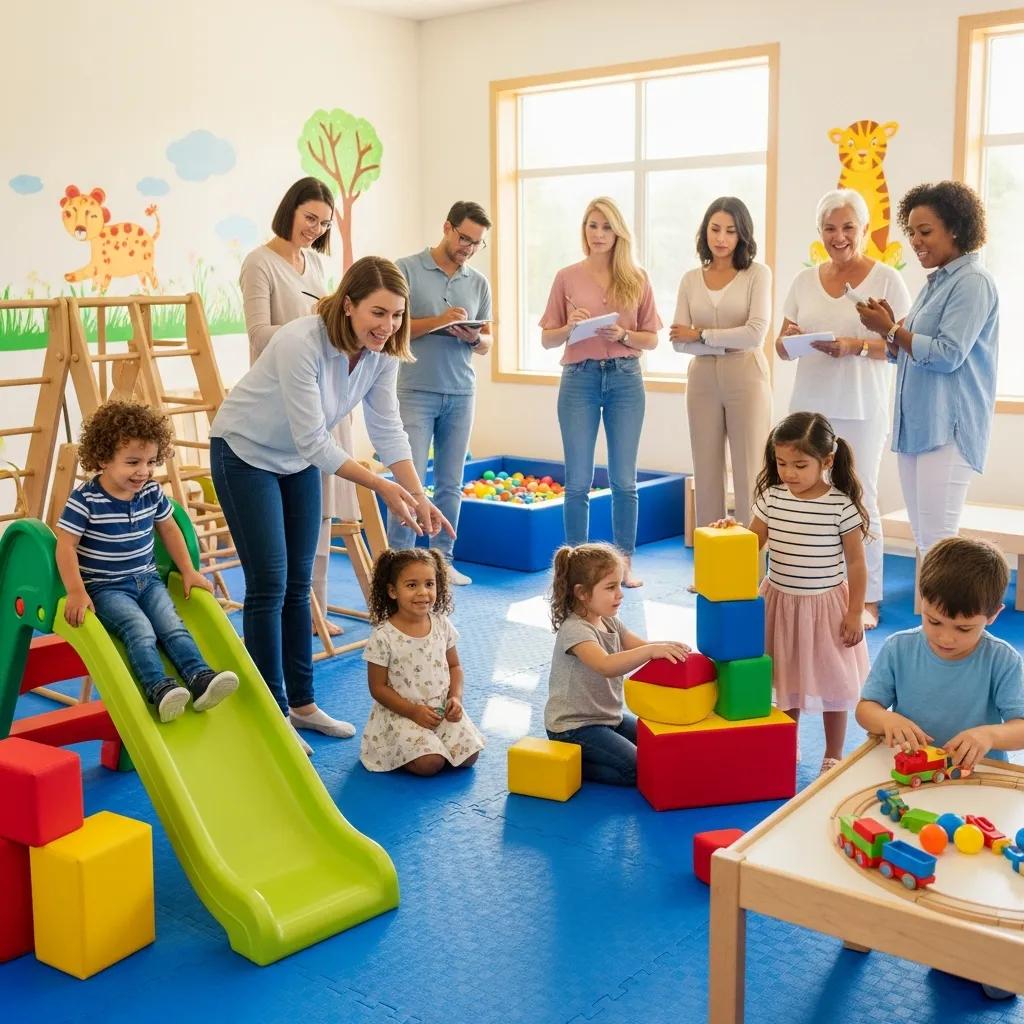
Top Questions to Ask on a Daycare Tour: Essential Checklist for Evaluating Childcare Safety, Staff, and Environment
Choosing a daycare for your child can be one of the most significant decisions a parent faces. A daycare tour is an essential step in understanding the environment where your child will spend a considerable amount of time. During this process, asking the right questions is crucial to ensure the facility meets your expectations regarding safety, staff qualifications, and overall quality of care. In this article, we will explore the top questions to ask on a daycare tour, helping you gather vital information and feel confident in your choice.
Through discussions about safety protocols, staff qualifications, the daycare environment, curriculum, and communication practices, you will obtain a comprehensive view of each facility. Not only will you enhance your knowledge about your childcare options, but you’ll also empower yourself to make informed decisions about your child’s welfare. We will address specific questions regarding safety measures implemented, the qualifications and training of staff, the educational framework, and effective communication strategies with parents.
What Safety and Health Protocols Should You Assess During a Daycare Tour?
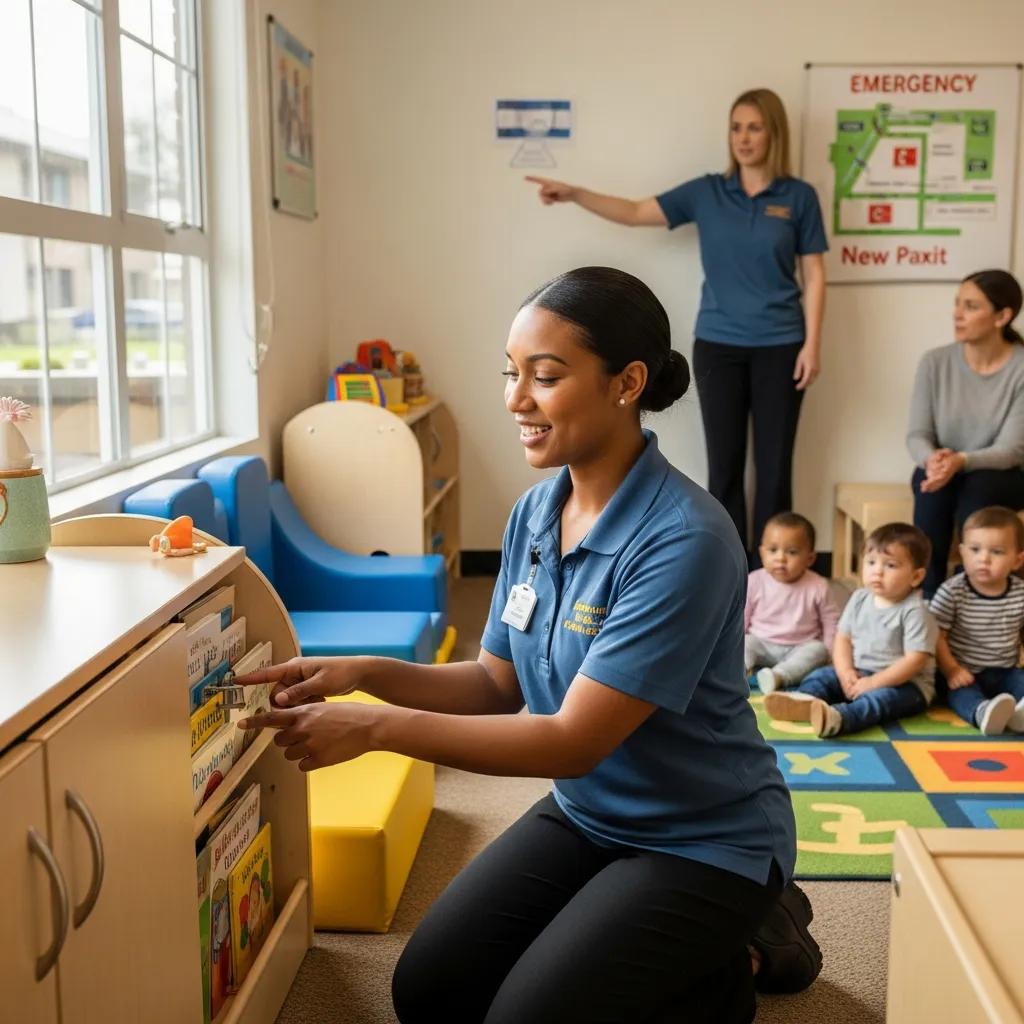
Assessing safety and health protocols during a daycare tour is paramount to ensure a secure environment for your child. Understanding how a daycare implements safety measures sets the foundation for evaluating its overall quality. It’s important to explore how these protocols may have evolved post-pandemic as well. Here, we delve into vital safety inquiries designed to protect children under the daycare’s care.
Which Child Safety Measures and Emergency Procedures Does the Daycare Implement?
It’s essential to inquire about specific child safety measures the daycare has in place. This includes emergency procedures that prepare staff to act during critical incidents. Key points to address include:
- Types of Emergency Procedures: Understand the protocols for fire, natural disasters, and medical emergencies.
- Childproofing Measures: Ask about the specific measures taken to childproof spaces, such as secure storage for harmful substances and safe furniture placement.
- Staff Training on Emergency Response: Find out how staff are trained to respond to emergencies and the frequency of these drills.
How Does the Daycare Maintain Cleanliness and Infection Control Post-Pandemic?
The importance of cleanliness and infection control has risen significantly in recent times. During your visit, clarity on the daycare’s hygiene protocols is essential. Key areas to consider include:
- Daily Cleaning Routines: Explore the daily practices in place to maintain a clean environment.
- Infection Control Measures: Understand how the facility manages infection control, particularly with regard to sick children.
- Impact of Pandemic Protocols on Cleanliness: Discuss any lasting changes made since the COVID-19 pandemic regarding sanitation practices.
What Questions Should You Ask About Daycare Staff Qualifications and Child-to-Staff Ratios?
The qualifications of daycare staff play a crucial role in the quality of care provided to children. It’s essential to inquire about both credentials and the ratio of staff to children, as both factors significantly influence caregiving quality. These inquiries help ensure that your child will receive adequate attention and support during their time at the facility.
How Are Staff Credentials and Training Verified?
Understanding how a daycare verifies staff qualifications is vital for ensuring that qualified personnel care for your child. Ask about their:
- Credential Verification Processes: Look for details about how the daycare checks certifications and see if they perform background checks.
- Continuous Staff Training Requirements: Inquire about ongoing training programs and how frequently staff attends them, which shows the daycare’s commitment to upskilling their team.
What Is the Staff to Child Ratio and How Does It Impact Care Quality?
The staff-to-child ratio is a crucial element of quality daycare. A lower ratio often indicates more individual attention for each child, which can enhance the overall care quality. Important points to ask include:
- Optimal Staff-to-Child Ratios: Learn about the daycare’s specific ratios and how they comply with state regulations.
- Effects on Child Interaction and Engagement: Discuss how the staffing levels affect engagement opportunities within the learning environment.
- Regulatory Standards for Ratios: Understand the legal requirements concerning staff ratios to ensure compliance.
Examining these standards will offer further insight into how the daycare adheres to national recommendations and the progress made in childcare provider regulations.
Evolution of Child Care Licensing Standards and Ratios in the US
1. Over the past thirty years, there have been notable changes in child care ratios and group sizes. Child care ratios refer to the number of children one caregiver is responsible for, while group size refers to the total number of children in a classroom at an early care and education setting. The current analysis examines the current licensing requirements in every state and the District of Columbia and compares those requirements to the numbers from 1981 and 1995. Furthermore, the manuscript examines the progress made by different states regarding states’ compliance with NAEYC’s recommended child-to-staff ratio and maximum group size. In the 1990s, child care ratios were less regulated, resulting in higher group sizes and fewer caregivers per child. However, research on child development and safety concerns led to increased regulations and lower childcare ratios. As a result, group sizes have decreased, and there are now more caregivers per child in early care and education settings. These changes have been beneficial for children, as they allow for more individual attention and care. Additionally, they have led to safer environments for children and reduced the risk of accidents and injuries. Despite these improvements, there is still room for further progress in ensuring high-quality childcare for all children, especially in the remaining states that continue to allow high ratios and large group sizes. Child care centers licensing standards in the United States from 1981 to 2023, C Puni-Nyamesem, 1981
How Can You Evaluate the Daycare Environment and Available Resources During Your Visit?
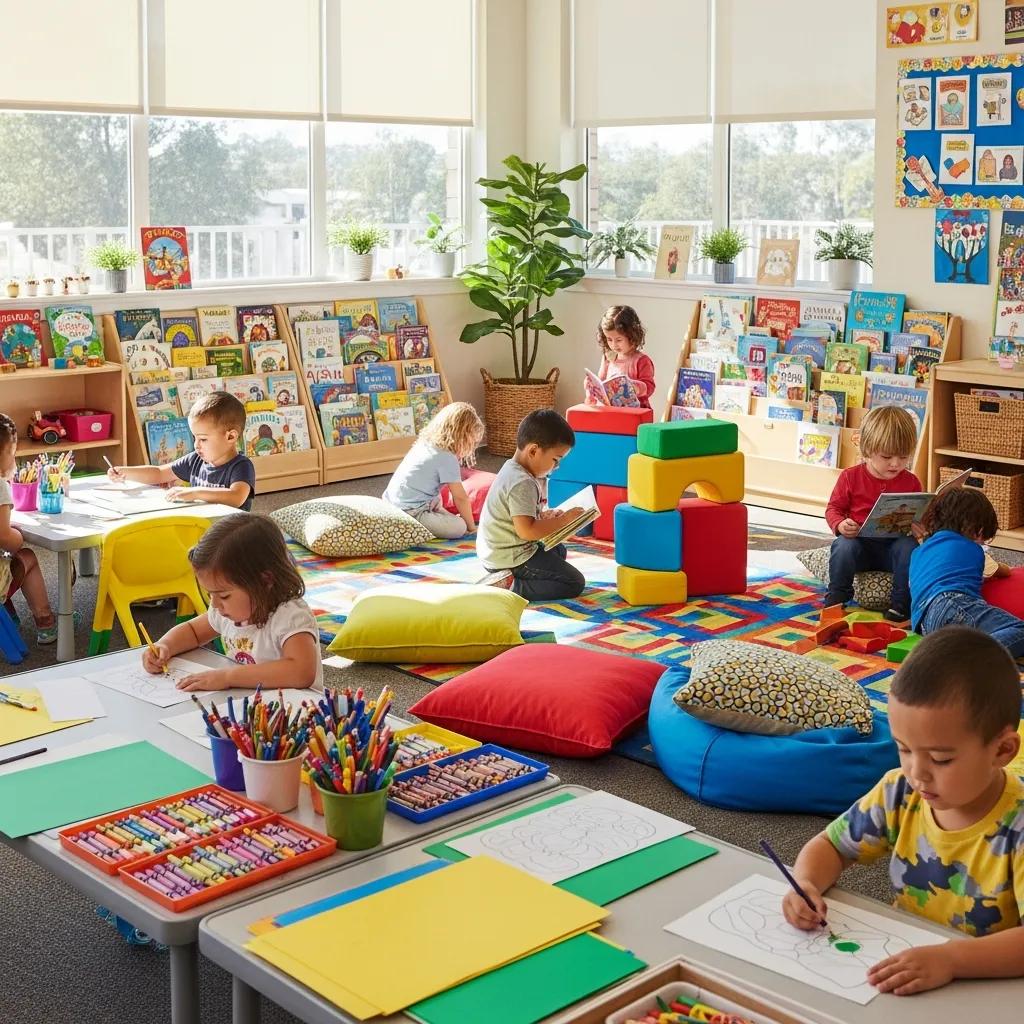
The daycare environment greatly impacts a child’s daily experiences and development. Evaluating both indoor and outdoor play areas and considering available resources can help select a nurturing environment that supports your child’s growth.
What Should You Observe About Indoor and Outdoor Play Areas for Safety and Engagement?
When assessing play areas, focus on safety and engagement features. Important observations to make include:
- Safety Features of Play Areas: Note if the areas are well-maintained and free from hazards.
- Engagement Strategies for Children: Look for diverse activities and resources designed to capture children’s interests.
- Access to Outdoor Spaces: Ensure there is adequate outdoor playtime and safe access to outdoor environments.
Are Learning Materials and Child Development Resources Adequate and Age-Appropriate?
Inquiring about educational resources is critical for fostering development. Throughout this inquiry, consider:
- Quality of Learning Materials: Analyze the presence and accessibility of books, art supplies, and other educational tools.
- Adequacy for Different Age Groups: Ensure that resources align with developmental milestones across age groups.
- Diversity of Resources: Look for a variety of learning materials that cater to different learning styles and interests.
Which Curriculum, Nutrition, and Child Development Policies Are Important to Discuss With Providers?
Understanding the daycare’s curriculum and nutrition policies will offer insights into how your child will learn and grow in their new environment. Discussing these topics helps ensure that the facility aligns with your family’s values and expectations regarding early childhood education and health.
What Educational Activities Support Age-Appropriate Learning and Social Skills?
Educational activities are fundamental for supporting child development. Discuss the following aspects:
- Types of Educational Activities: Inquire about the specific activities designed to promote cognitive and social skills.
- Social Skills Development Focus: Understand how the curriculum encourages cooperation, negotiation, and peer interaction.
- Impact of Activities on Learning Outcomes: Explore how these programs lead to measurable outcomes in learning and behavior.
How Does the Daycare Handle Nutrition, Meals, and Food Allergies?
Nutrition policies are another fundamental area to examine carefully. Key points include:
- Meal Planning Considerations: Inquire about meal planning and how they ensure balanced nutrition.
- Dietary Restrictions and Allergies: Clarify how the daycare accommodates children with special dietary needs or allergies.
- Nutritional Standards Adherence: Confirm compliance with local and national nutritional guidelines.
What Communication Practices and Policies Should You Clarify With Daycare Staff?
Effective communication between daycare providers and parents fosters a collaborative environment that benefits children. Establishing clear expectations for communication practices can prevent misunderstandings and keep parents informed about their child’s development.
How Are Parents Informed About Daily Activities, Progress, and Emergencies?
Understanding the communication systems in place is essential for maintaining transparency. Key inquiries might include:
- Methods of Informing Parents: Ask how daily activities, progress reports, and emergencies are communicated.
- Importance of Transparency: Discuss why it is critical to keep parents engaged in their child’s care.
- Frequency of Updates: Clarify how often parents can expect feedback from the daycare.
What Are the Drop-Off, Pick-Up, and Sick Child Policies?
Inquiring about logistical details ensures your family can navigate the daycare smoothly and safely. Important questions include:
- Drop-off and Pick-up Procedures: Look for clarity on procedures and any security measures in place.
- Sick Child Policies Importance: Evaluate how the daycare manages illness to prevent outbreaks and protect child health.
- Protocol Adherence During Emergencies: Understand how the daycare adheres to protocols in emergencies affecting drop-off and pick-up logistics.