
Sensory Play Activities for Infants and Toddlers
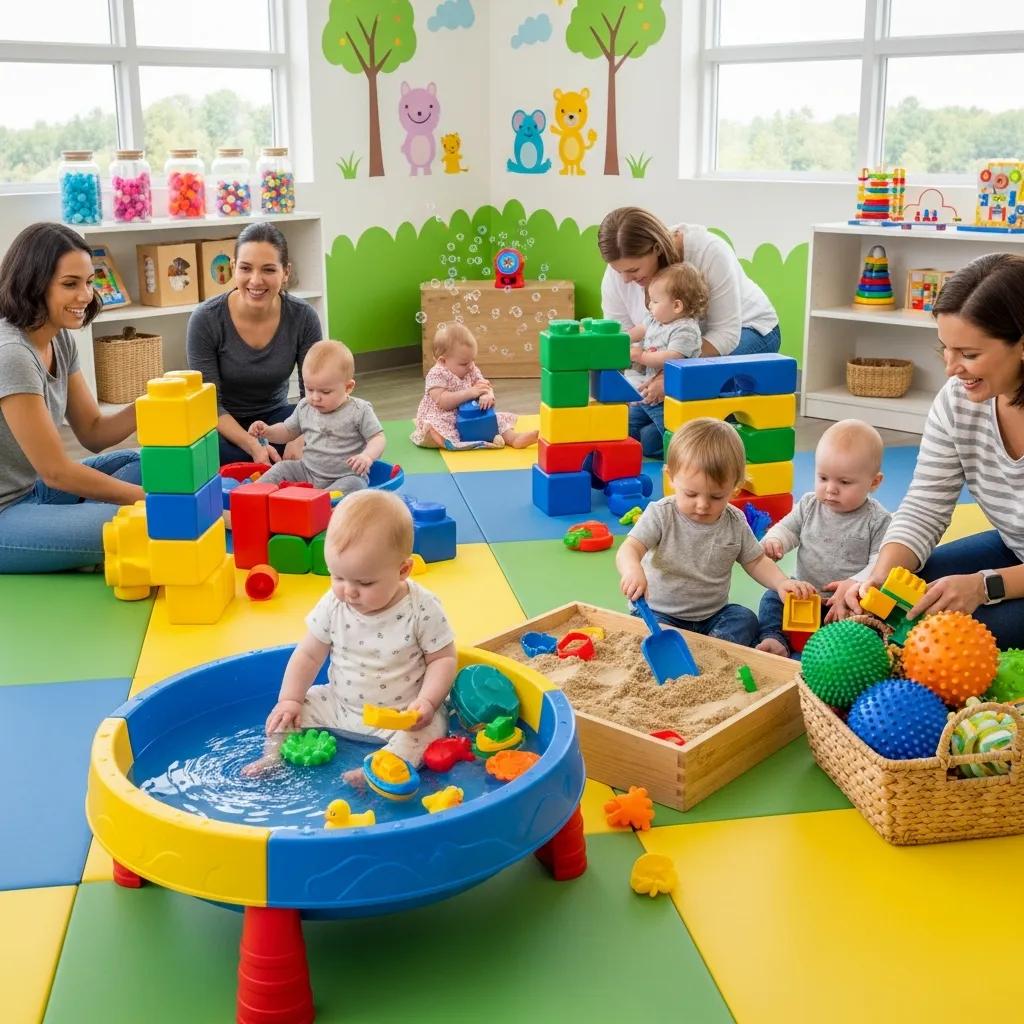
Sensory Play Activities for Infants and Toddlers: Supporting Early Childhood Development and Sensory Skills
Sensory play activities are crucial for infants and toddlers as they facilitate early childhood development and enhance sensory skills. Engaging in activities that stimulate sight, sound, touch, taste, and smell helps children learn about the world around them. Through sensory play, children not only explore different textures and materials but also develop cognitive, social, and motor skills. This article will delve into the importance of sensory play for infants and toddlers, explore specific activities tailored to these age groups, and provide guidance for parents and caregivers on how to create effective sensory play experiences. Additionally, we will investigate how sensory play connects to key developmental milestones and address common questions surrounding these activities.
What is Sensory Play and Why Is It Important for Infant Sensory Development?
Sensory play is an engaging process that involves interactions with various materials that stimulate the senses. By incorporating elements such as textures, sounds, and sights, sensory play encourages infants and toddlers to explore their environment and develop essential cognitive and motor skills. The benefits of sensory play are substantial; children who engage in these activities often show improvements in attention, memory, and problem-solving abilities. The importance of sensory play cannot be overstated, as it forms the foundation for future developmental skills and provides children with vital learning opportunities.
Understanding these sensory experiences is crucial, as researchers continue to explore how motor, visual, auditory, olfactory, and gustatory inputs collectively shape early cognitive development.
Sensory-Motor Experiences and Early Cognitive Development
In this article, we review findings on how motor, visual, auditory, olfactory and gustatory experiences affect early cognitive development. We identify some common themes across these domains, such as the role of predictive processing in early development. We argue for the importance of adopting a dynamic systems approach and considering the variabilities both within the individual and in the larger cultural environments. Moving, seeing, hearing, smelling and tasting:
How sensory–motor experiences shape early cognitive development, C Chen, 2026
How Does Sensory Play Enhance Cognitive and Motor Skills in Toddlers?
Engaging in sensory play significantly enhances cognitive and motor skills in toddlers. Activities that incorporate manipulation of different materials—such as sand, water, and tactile toys—encourage fine motor development as children practice grasping and pouring. These activities not only improve hand-eye coordination but also promote spatial awareness. Research shows that toddlers who engage in consistent sensory play demonstrate advancements in cognitive skills, including memory retention and problem-solving abilities, due to their active exploration and interaction with their surroundings.
What Are the Key Types of Sensory Stimulation for Early Childhood?
There are several key types of sensory stimulation that are particularly beneficial for early childhood development. Visual stimuli, such as bright colors and contrasting patterns, capture infants’ attention and promote visual discrimination. Auditory stimuli, including music and sounds, enhance listening skills and encourage language development. Tactile stimuli, derived from various textures like soft fabrics or bumpy surfaces, stimulate touch and promote sensory integration. Incorporating these diverse types of sensory experiences into playtime encourages holistic development and keeps children engaged.
Which Sensory Play Activities Are Best Suited for Infants and Toddlers?
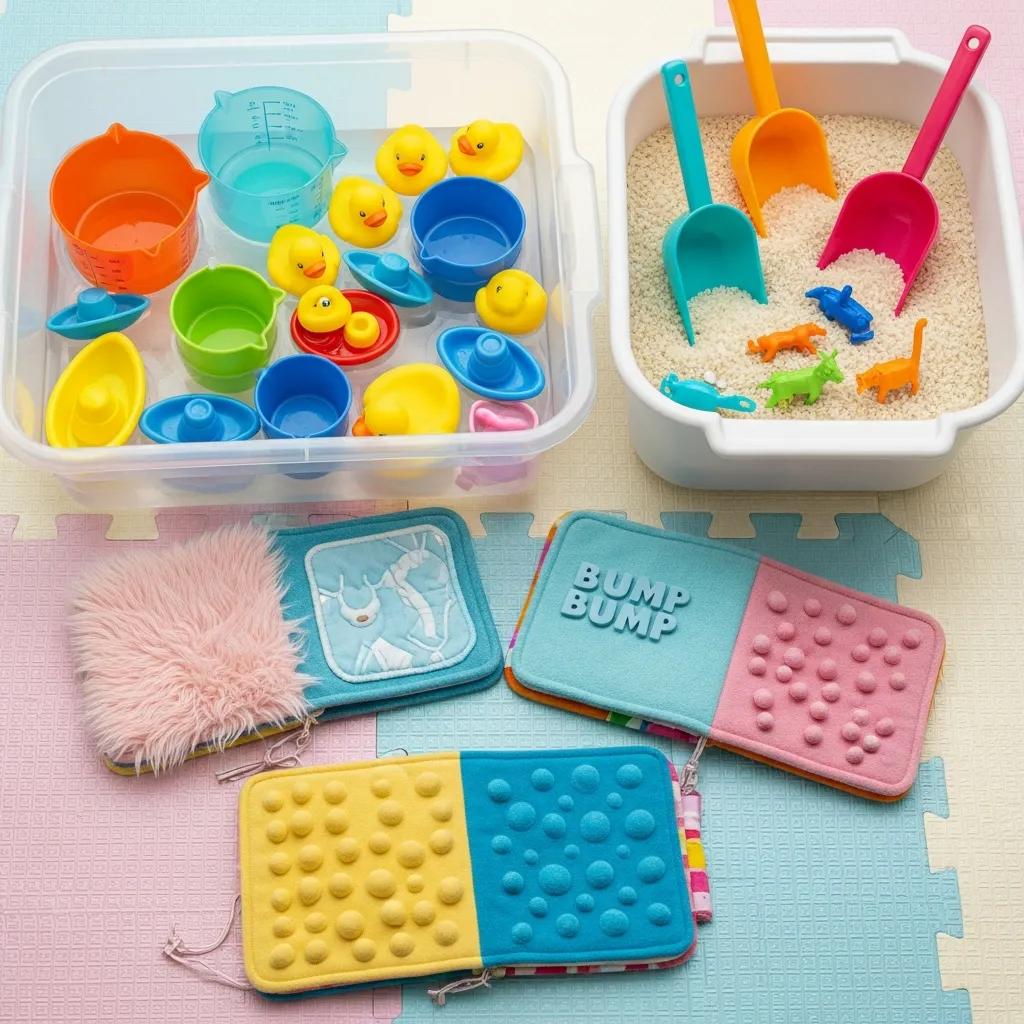
Selecting appropriate sensory play activities for infants and toddlers is essential for ensuring safety and developmental suitability. Activities should be engaging and foster exploration while also being safe for these young learners.
What Are Safe and Developmentally Appropriate Sensory Motor Activities?
When considering safe and developmentally appropriate sensory motor activities for infants and toddlers, several options stand out:
- Water Play: Filling bins with shallow water and various measuring cups allows toddlers to experiment with pouring and splashing, enhancing their motor skills.
- Sensory Bins: Filling bins with rice, beans, or sensory-safe items encourages children to explore textures while improving their fine motor skills as they scoop and pour.
- Tactile Books: Books that include different textures expose infants to various surfaces, promoting tactile exploration and cognitive engagement.
Choosing activities designed specifically for young children not only ensures their safety but also aligns with their developmental stages.
How Can Sensory Bins Be Used Effectively for Toddler Engagement?
Sensory bins can be a cornerstone of toddler engagement in sensory play. Setting up sensory bins involves filling a large container with various materials that provide different tactile experiences. To effectively use sensory bins, consider the following:
- Variety: Incorporate a range of sensory materials, such as sand, water beads, or shredded paper, to stimulate curiosity and encourage exploration.
- Tools and Accessories: Providing scoops, measuring cups, and small toys can facilitate imaginative play and enhance fine motor skills as children interact with the materials.
- Themes: Creating themed sensory bins, such as a “beach” bin with sand and seashells or a “garden” bin with leaves and stones, can help guide play while introducing educational themes.
The versatility of sensory bins makes them an ideal choice for promoting engagement and sensory exploration in toddlers.
How Can Parents and Caregivers Facilitate Effective Sensory Play?
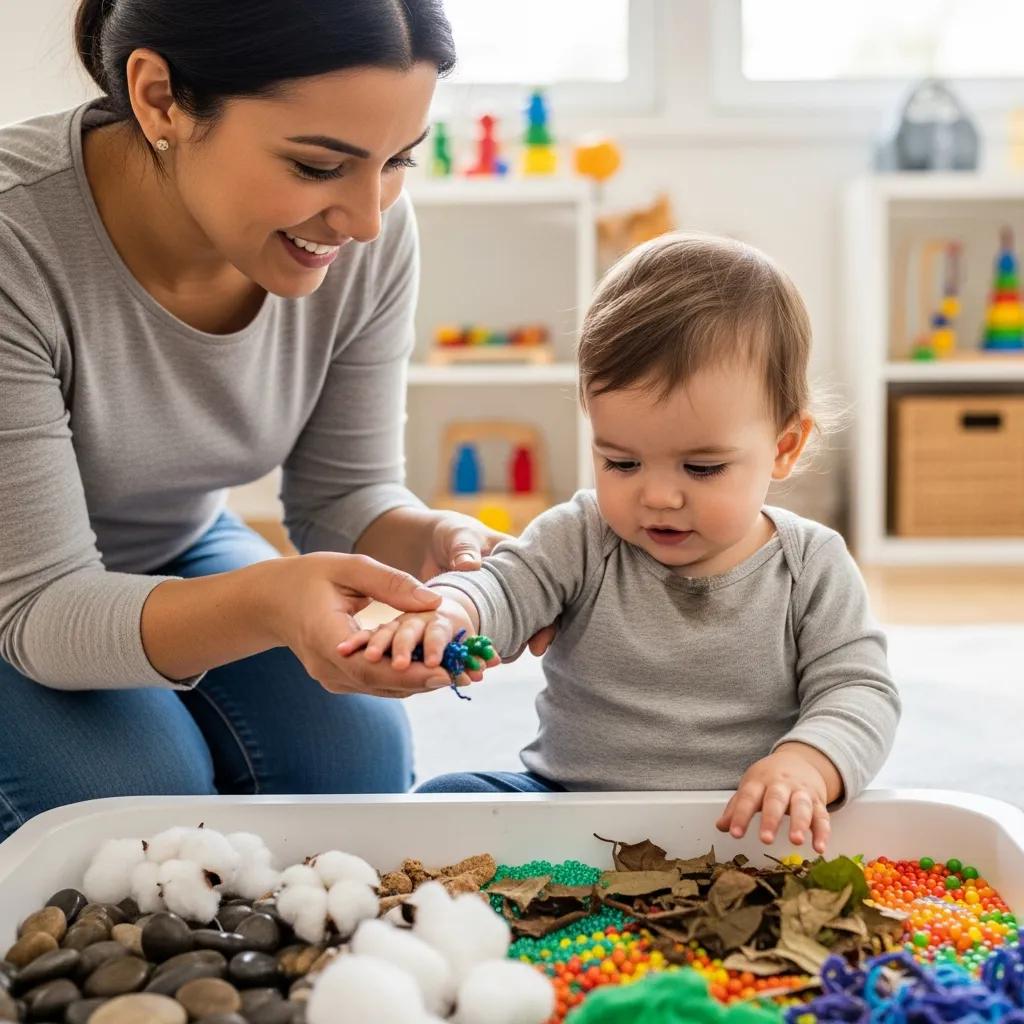
Parental involvement is vital in facilitating effective sensory play experiences for infants and toddlers. By guiding their children during these activities, parents can enhance learning outcomes and ensure safety.
This active involvement ensures that a child’s sensory needs are met, which is crucial for optimal participation and performance in their daily activities.
Sensory Toolkit for Childcare Providers and Parents
The children’s environment within a daycare provides several sensory experiences that can both support and hinder their success in their daily occupations. When sensory needs are unmet, undesired behaviors can occur and impact their performance in daily occupations (Bodison & Parham, 2017). The purpose of this toolkit is to provide a resource for childcare providers and parents to use with children to help meet their sensory needs and increase participation and performance in their daily occupations. Sensory Toolkit For Childcare Providers And Parents Of Children In The Daycare Setting, 2024
What Role Does Parental Guidance Play in Enhancing Sensory Learning?
The role of parental guidance in sensory learning is profound. Parents can enhance sensory experiences by:
- Interacting: Actively engaging in play alongside their children encourages exploration and discovery.
- Modeling: Demonstrating how to manipulate materials teaches children the skills needed for successful sensory engagement and promotes problem-solving.
- Discussing: Talking about textures, colors, and sounds during play helps children build vocabulary and understanding of their sensory experiences.
This interactive approach not only strengthens skills but also builds a deeper attachment between parent and child during playtime.
Which Safety Guidelines Should Be Followed During Sensory Activities?
Safety is paramount when it comes to sensory play activities. Parents and caregivers should consider the following guidelines to ensure a safe and enjoyable experience:
- Choose Age-Appropriate Materials: Ensure all sensory items are safe for infants and toddlers, avoiding any small parts that can pose choking hazards.
- Supervise Play: Adults should always supervise sensory play to prevent accidents and provide assistance as needed.
- Allergy Awareness: Be aware of any allergies or sensitivities that children may have to certain materials, and choose alternatives as necessary.
Adhering to these guidelines helps create a safe environment conducive to exploration and learning.
How Does Sensory Play Connect to Developmental Milestones in Early Childhood?
Sensory play is directly linked to developmental milestones in early childhood. Engaging in these activities supports the achievement of cognitive, social, and motor skills essential for children’s growth.
What Are Common Infant and Toddler Milestones Supported by Sensory Activities?
Several developmental milestones are closely linked with sensory activities, including:
- Fine Motor Skills: Activities that require grasping, pouring, and manipulating materials aid in the development of fine motor skills.
- Cognitive Development: Exploration of different textures and materials has been shown to enhance cognitive skills such as memory and problem-solving.
- Social Skills: Engaging in group sensory play promotes sharing and cooperation among toddlers, fostering early social interactions.
By encouraging sensory play, parents and caregivers can support their children’s growth and help them achieve these important developmental milestones.
How Does Sensory Play Promote Social-Emotional Growth in Toddlers?
Sensory play significantly impacts social-emotional growth in toddlers. Through these activities, children learn how to express their feelings and interact with peers.
- Cooperative Play: Many sensory activities often involve multiple children, teaching them to take turns and share resources.
- Emotional Expression: Sensory exploration can help children express their feelings through creative outlets, promoting emotional literacy.
- Confidence Building: Successfully navigating sensory play challenges fosters a sense of achievement, boosting self-esteem and encouraging further exploration.
These skills are vital as toddlers prepare for more complex social interactions in the years to come.
What Are Frequently Asked Questions About Sensory Play for Infants and Toddlers?
Sensory play raises several common questions among parents and caregivers that are important to address.
When Should Sensory Play Start for Infants?
Sensory play can start as early as infancy. Even newborns can benefit from gentle sensory experiences through touch, sound, and sight, such as variations in textures and soft sounds. As they grow, these experiences can be tailored to their developmental needs, gradually introducing more complex materials and concepts.
Are Sensory Toys and Bins Safe for All Ages?
While sensory toys and bins can offer wonderful benefits, safety is paramount. Always ensure that the materials used are appropriate for the child’s age and free from small parts, sharp edges, or toxic substances. Careful supervision during play is crucial to ensure a safe and enriching sensory environment.