
What Parents Should Know About Early Childhood Staff Credentials
What Parents Should Know About Early Childhood Staff Credentials
Understanding the qualifications of early childhood educators is crucial for parents seeking the best educational and care environments for their children. Credentials not only reflect the capabilities of educators but also directly influence the quality of childcare provided. As parents, being aware of what these credentials entail and why they matter empowers you to make informed decisions about your child’s early education. This article explores essential topics regarding early childhood educator qualifications, including the different types of credentials, regulatory standards, professional development requirements, and the overall impact these qualifications have on a child’s learning experience.
What Are Early Childhood Educator Qualifications and Why Do They Matter?
Early childhood educator qualifications encompass educational achievements, certifications, and training that individuals obtain to work with young children. These qualifications matter significantly because they reflect the educator’s ability to create enriching learning environments that support optimal child development. Educators with appropriate credentials are mandated to uphold specific standards, ensuring the safety and well-being of children in their care. With well-documented research linking educator qualifications to positive developmental outcomes, understanding the landscape of these credentials is essential for parents aiming to provide their children with the best start in life.
What Types of Credentials Do Early Childhood Educators Hold?
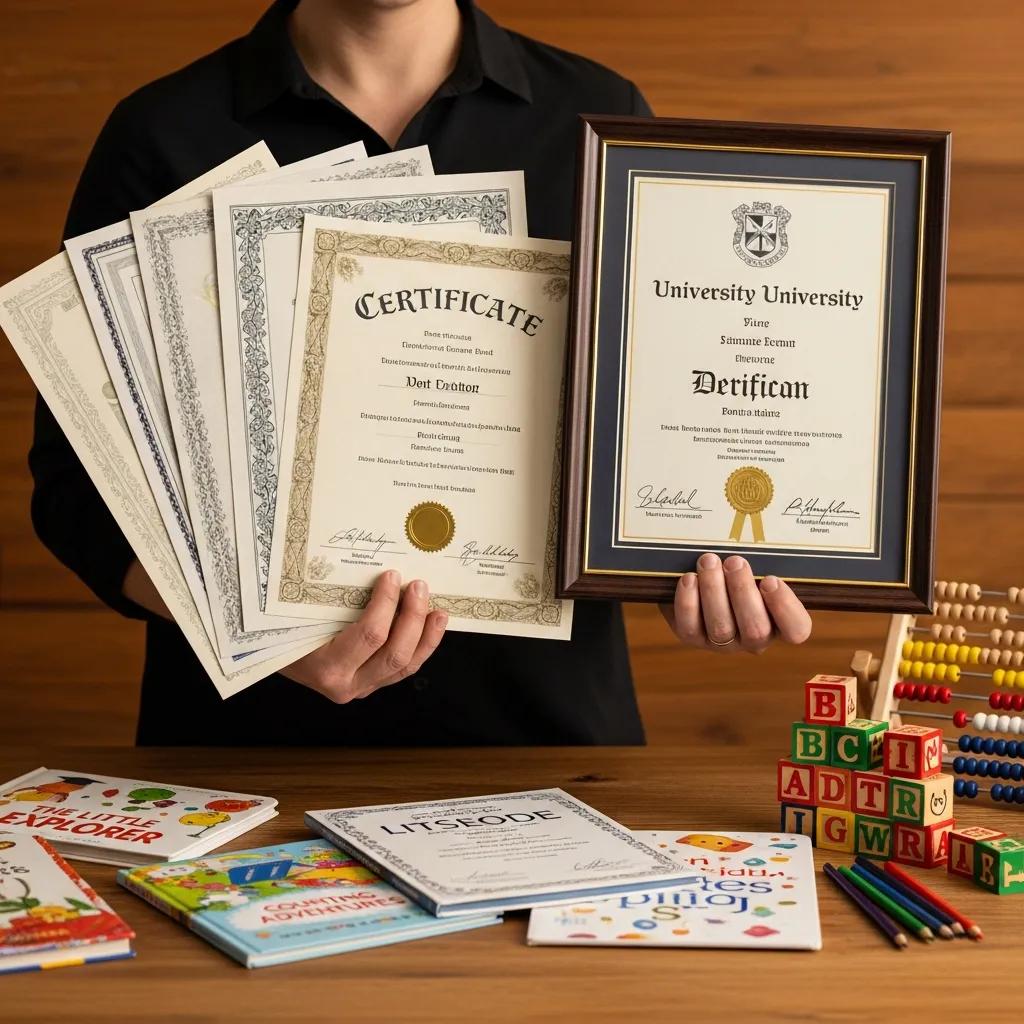
Early childhood educators can hold various types of credentials, including degrees, certificates, and licenses, each serving different functions. Common educational pathways include:
- ECE Degrees: Typically, these are associate or bachelor’s degrees focusing on child development and pedagogy.
- Certifications: Specialized credentials such as the Child Development Associate (CDA) credential recognize professionals’ knowledge and skills in early childhood education.
- Licensing: Many states require educators to have a state-issued license to ensure compliance with local regulations.
The type of credential held by an educator often influences their employability and salary prospects within the early childhood workforce.
How Do Qualifications Influence Childcare Quality and Safety?
Numerous studies indicate a strong correlation between educator qualifications and the quality of childcare services. High-quality early childhood programs typically employ staff with advanced degrees and specialized training. This educational background equips them with the skills necessary to design age-appropriate learning experiences that foster cognitive and social development. Moreover, qualified educators are well-versed in safety regulations and best practices for child care, ensuring a secure environment for children. As such, parents can feel more confident in the care provided by educators equipped with the right qualifications.
What Are the Regulatory and Licensing Standards for Childcare Staff?
Regulatory and licensing standards for childcare staff establish a framework that governs the qualifications required for educators in various settings. These standards are set forth by local and state authorities to maintain a consistent level of care and safety across the childcare sector.
Which Agencies Issue and Enforce Childcare Staff Certifications?
Several agencies are involved in issuing and enforcing certifications for childcare staff, primarily at the state level. These agencies include state licensing boards and departments of education that evaluate educator qualifications, monitor compliance, and administer ongoing training requirements. Some professional associations, like the National Association for the Education of Young Children (NAEYC), also offer accreditation, which further validates quality programs and educators.
What Are the State Licensing Requirements for Preschool Teacher Credentials?
State licensing requirements for preschool teachers vary across the United States, reflecting regional needs and educational philosophies. Generally, to obtain licensure, candidates must complete specific educational qualifications and pass state or national assessments. For example, many states require a bachelor’s degree in early childhood education for lead teachers while allowing those with lower qualifications to serve as aides. Compliance with these licensing regulations helps uphold high standards in early childhood education.
How Important Is Professional Development and Continuous Training for ECE Staff?

Professional development and continuous training are vital for early childhood educators, ensuring they remain current with educational practices and trends. Continuing education empowers staff to improve their skills, which ultimately benefits the children in their care.
What Are the Early Childhood Training Standards for Staff?
Early childhood training standards set guidelines for the education and professional development of childcare staff. These standards typically include national recommendations and frameworks that outline the essential knowledge and skills educators should possess. Many organizations advocate for ongoing training that incorporates the latest research in child development, pedagogy, and safety practices.
How Does Ongoing Professional Development Improve Staff Competency?
Research consistently shows that ongoing professional development leads to improved educator competency and enhanced child outcomes. Educators who engage in continuous training are more equipped to implement effective teaching strategies, adapt to diverse learner needs, and foster positive learning environments. Investments in such professional development not only contribute to a dynamic early childhood workforce but also reflect a commitment to quality education for children.
How Can Parents Verify and Understand Childcare Staff Credentials?
Parents seeking to verify and understand the credentials of childcare staff can follow a few essential steps to ensure their child’s educational environment is safe and beneficial.
What Methods Are Used to Verify Early Childhood Educator Qualifications?
Several methods can be used to verify the qualifications of early childhood educators, including:
- Background Checks: These are often mandated to ensure the safety of children.
- Credential Databases: Most states maintain databases where families can confirm the certification status of educators.
- Direct Communication: Parents should feel empowered to ask educators about their qualifications and training directly.
By leveraging these methods, parents can better understand the credibility and capabilities of their child’s educators.
Which Tools and Resources Help Parents Confirm Staff Credentials?
Parents can utilize various tools and resources to confirm staff credentials, such as:
- State Licensing Agencies: Many states offer online portals to check the credentials of childcare providers.
- Professional Organizations: Websites for organizations like NAEYC often provide resources and directories for accredited programs and qualified educators.
- Checklists: Parents can create checklists to evaluate the qualifications they expect based on their children’s needs and the program type.
These resources empower parents to take an active role in ensuring their child is in a quality educational setting.
What Impact Do Staff Credentials Have on Your Child’s Early Childhood Experience?
The credentials of childcare staff can significantly impact a child’s developmental experience, emphasizing the importance of qualified educators in early years.
How Do Qualified Educators Support Your Child’s Development and Safety?
Qualified educators contribute to a child’s development through structured learning and supportive interactions. Their expertise allows them to tailor activities that meet the unique needs of children, promoting both cognitive and socio-emotional growth. Furthermore, trained staff implement safety protocols to manage risks, allowing children to explore and learn in secure environments.
What Should Parents Expect Regarding Staff Credentials and Transparency?
When partnering with childcare centers, parents should expect transparency regarding staff credentials. This can include open communication about the qualifications of educators and the center’s policies regarding ongoing training. Facilities that prioritize quality often share information about their staff’s credentials and hold themselves accountable to maintaining high standards of care, creating a collaborative trust between parents and educators.