
Preschool Readiness and 3–5 Year Curriculum
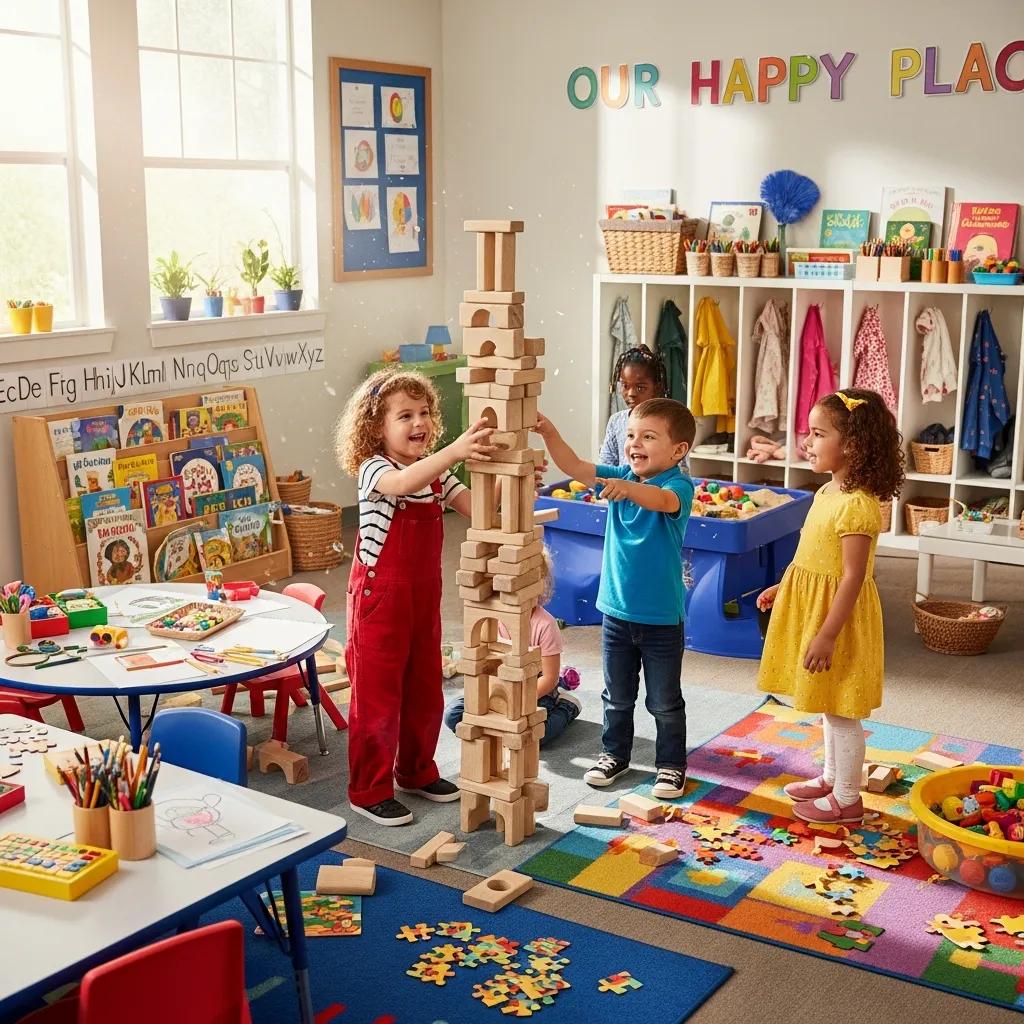
Preschool Readiness and 3–5 Year Curriculum: Essential Skills and Learning Standards for Early Childhood Education
Preschool readiness is a critical phase in childhood development, representing the skills and knowledge that children between the ages of 3 to 5 need to succeed in school settings. During this formative period, children undergo significant cognitive, emotional, and social growth, which lays a solid foundation for future academic achievement. This article demystifies preschool readiness, highlighting essential skills, curriculum structures, and proven techniques that help enhance children’s early learning experiences. The importance of fostering these skills cannot be overstated, as they correlate strongly with long-term educational success. Throughout this piece, we will explore what preschool readiness entails, how curricula are designed to promote cognitive development, the role of play in learning, and the impact of social-emotional development on readiness.
What Is Preschool Readiness and Why Is It Important?
Preschool readiness refers to the collection of skills and attributes that enable a child to adjust and thrive in a formal educational environment. This concept encompasses cognitive abilities, such as problem-solving and language skills, as well as social and emotional traits that support collaboration and communication. Being prepared for preschool fosters independence, enthusiasm for learning, and resilience in facing new challenges. This readiness is essential not only for initial school success but also for sustained academic achievement in the years to come.
Which School Readiness Skills Do Children Age 3 to 5 Need?
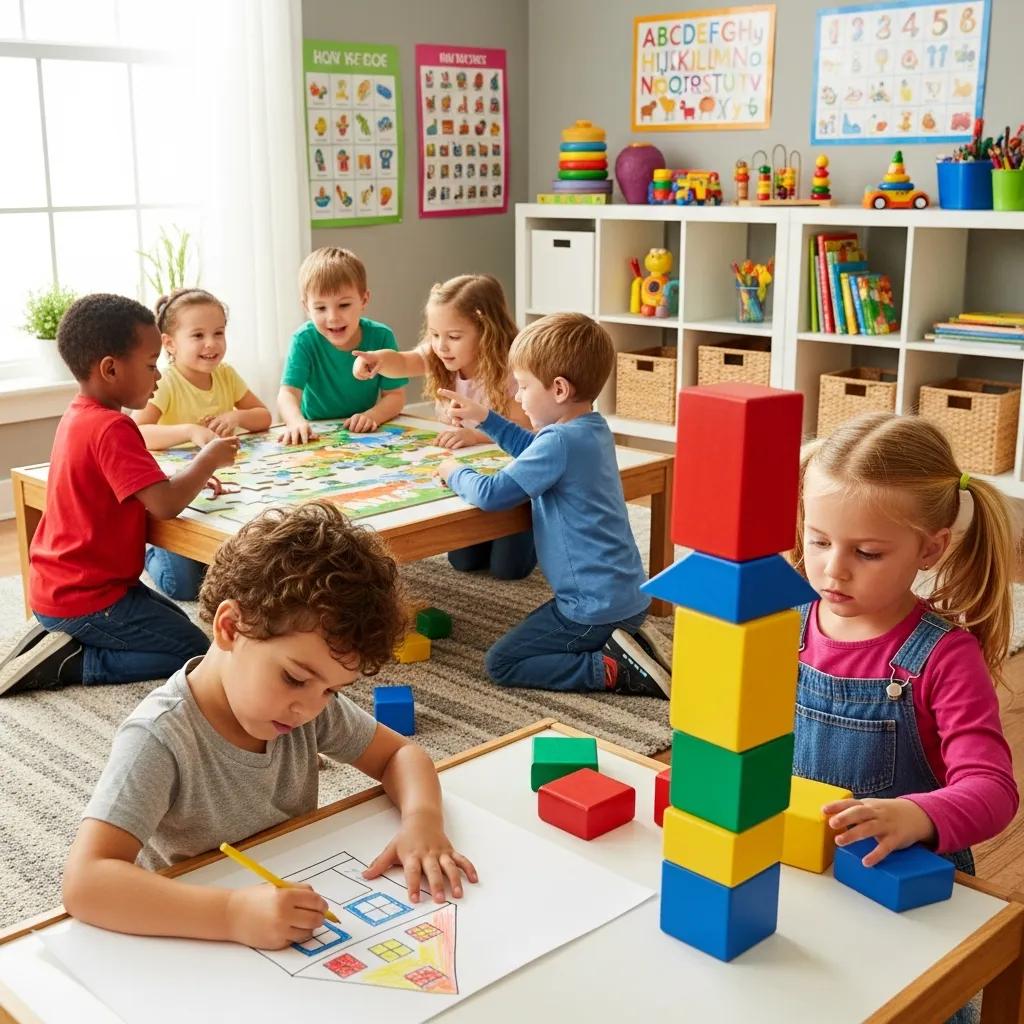
Children ages 3 to 5 require a variety of skills to be deemed ready for preschool. These include:
- Cognitive Skills: Abilities such as recognizing letters and numbers, understanding basic concepts of time and space, and developing problem-solving skills form the basis of academic learning.
- Motor Skills: Fine motor skills, such as holding a pencil or using scissors, and gross motor skills, like running and jumping, are crucial for physical development and coordination.
- Social Skills Development: Children must learn to interact positively with peers and adults, share, take turns, and express their feelings in a constructive manner.
These foundational skills help to ensure that children can transition smoothly into the preschool environment, setting them up for future success.
The development of writing skills, in particular, has been a key area of study, demonstrating how early readiness correlates with later academic performance.
Preschool Writing Readiness and Later Writing Skills Development
In this longitudinal study, the writing skill development of154 Finnish-speaking children was followed from preschool to thethird grade. The focus was on predictive associations betweenpreschool writing readiness skills and later mechanics ofwriting, as well as between word recognition skill, mechanics ofwriting, and composition coherence.Predicting writing skill development with word recognition and preschool readiness skills, 2001
How Does Preschool Readiness Support Long-Term Academic Success?
Research shows that children who enter school with a strong foundation of school readiness skills tend to outperform their peers in various academic measures. For instance, children equipped with essential cognitive and social skills are more likely to adapt to structured learning environments and engage positively with teachers and classmates. Studies indicate that these early competencies correlate with better grades, greater school attendance, and higher graduation rates. Therefore, investing in preschool readiness not only enhances children’s immediate learning experiences but also shapes their long-term educational trajectories.
How Is the 3–5 Year Curriculum Structured to Foster Early Childhood Development?
The curriculum for children aged 3 to 5 is designed with a holistic approach, aiming to enhance various aspects of their development. This structure incorporates play-based learning strategies, thematic activities, and social interaction, allowing children to explore and learn in an engaging environment.
A comparative analysis of different preschool educational approaches can also shed light on which methods are most effective in preparing children for school.
Comparing Preschool Educational Approaches and School Readiness
The traditional approach focuses on the transmission of knowledge, patterns of social behavior, and assumes teacher-centered interaction between child and teacher. e developmental approach focuses on developing the child’s abilities and using cultural tools, rather than just transmitting educational content. A comparison of dier-ent preschool approaches and outcomes may help in choosing the most suitable one for each child.School readiness outcomes of different preschool educational approaches, 2018
What Are the Core Preschool Learning Standards for Ages 3 to 5?
Core preschool learning standards focus on developmental milestones that children should reach by the time they enter kindergarten. These standards include:
- Language and Literacy Development: Encouraging vocabulary enhancement, story comprehension, and early writing skills.
- Mathematical Understanding: Introducing basic concepts of counting, shapes, and measurement.
- Social-Emotional Development: Supporting children to develop self-regulation and empathy.
These standards create benchmarks for providing a comprehensive educational experience that nurtures all aspects of a child’s development.
How Does Play-Based Learning Enhance Curriculum Effectiveness?
Play-based learning is a strategic approach that utilizes play as a vehicle for teaching fundamental concepts. Forms of play, such as role-playing, games, and hands-on activities, not only make learning enjoyable but also promote critical thinking and creativity. By incorporating play, educators can facilitate:
- Problem-Solving Skills: Children learn to navigate challenges in playful scenarios.
- Cooperative Skills: Group play fosters teamwork and communication.
- Emotional Regulation: Play provides a safe space for children to express and manage their emotions.
Given its multifaceted benefits, play-based learning is effectively integrated into the curriculum for children aged 3-5.
Which Early Literacy and Numeracy Activities Promote School Readiness?
Early literacy and numeracy activities are vital for developing school readiness skills. Engaging children in specific learning exercises can boost their confidence and readiness for academic challenges.
- Storytelling Activities: Reading aloud to children encourages vocabulary development and comprehension skills.
- Phonics Games: Interactive games help children recognize letters and sounds, forming a basis for reading.
- Rhymes and Songs: Musical activities enhance language rhythm and phonetic recognition, making learning fun.
For those interested in enhancing literacy and numeracy skills more effectively, various educational programs offer structured activities tailored for preschool readiness, allowing parents and educators to track progress and areas needing enhancement.
What Pre-K Learning Activities Build Early Literacy Skills?
Pre-K learning activities that build early literacy skills are designed to be both educational and enjoyable. Engaging in activities like:
- Reading Aloud: Regular reading sessions expose children to new vocabulary and sentence structure.
- Interactive Storytelling: Children can create their own stories or retell familiar tales, promoting comprehension and narrative skills.
- Letter Recognition Games: Fun activities that include matching letters with corresponding objects assist in reinforcing letter knowledge.
These activities are essential for laying the groundwork for proficient reading skills.
How Do Numeracy Activities Develop Cognitive and Motor Abilities?
Numeracy activities play a significant role in shaping both cognitive and motor skills. Various engaging approaches include:
- Counting Games: Incorporating counting into everyday activities strengthens numerical literacy.
- Sorting Activities: Sorting objects by color, size, or shape promotes critical thinking and categorization skills.
- Practical Applications: Cooking projects where children measure ingredients enhance understanding of numbers and proportions.
Participating in these numeracy activities equips children with essential skills that are foundational for future academic success.
How Does Social Emotional Development Contribute to Preschool Readiness?
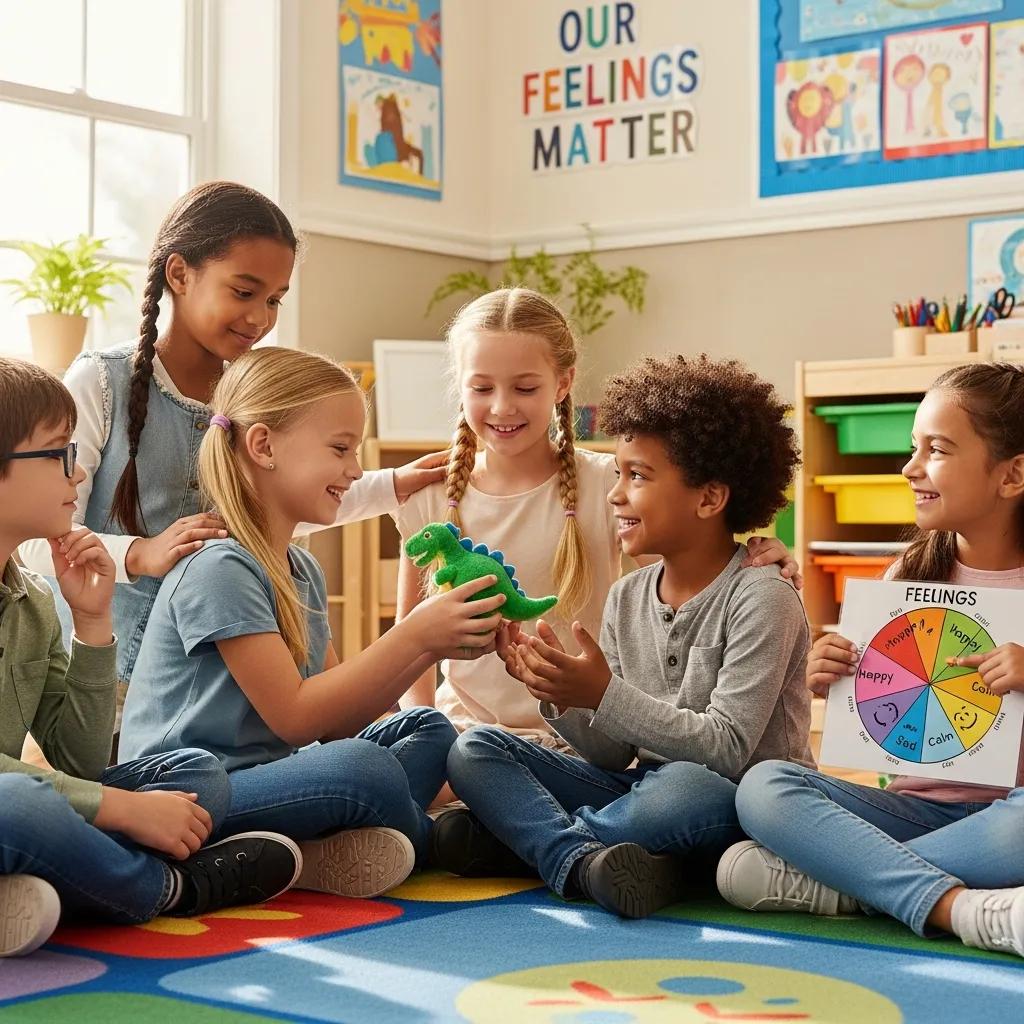
Social-emotional development is a cornerstone of preschool readiness, affecting how children interact with others and manage their emotions. Understanding feelings, demonstrating empathy, and developing resilience are critical competencies for academic and social success.
What Are Effective Strategies to Support Social Emotional Learning in Preschool?
Implementing effective strategies for social-emotional learning in preschool can significantly enhance children’s readiness. These strategies may include:
- Modeling Positive Behavior: Educators can demonstrate constructive expressions of emotions and conflict resolution.
- Implementing Structured Activities: Group activities that require cooperation foster team skills.
- Open Discussion: Encouraging children to talk about their feelings cultivates an understanding of emotional dynamics.
These practices equip children with the emotional tools necessary for navigating their interactions, thereby enhancing their overall readiness.
How Is Social Emotional Progress Assessed in Early Childhood Settings?
Assessing social-emotional progress involves observing children’s interactions, emotional reactions, and self-regulation throughout various activities. Tools such as:
- Anecdotal Records: Educators keep detailed notes on children’s behaviors in different settings.
- Rating Scales: These scales help in evaluating emotional and social competencies.
- Parent Feedback: Incorporating parental insights can provide a fuller picture of a child’s social development.
Utilizing these assessment methods enables educators to tailor interventions and support plans that facilitate emotional growth in preschoolers.
What Assessment and Monitoring Tools Help Track Preschool Readiness and Curriculum Progress?
To track preschool readiness and curriculum progress, educators use a variety of assessment tools that measure growth and identify areas for further development. Effective monitoring systems are crucial for understanding individual children’s needs.
Which Practical Assessment Methods Identify Readiness Levels in Children?
Practical assessment methods for determining readiness levels in children include:
- Standardized Assessments: Structured tools that can offer insight into where children stand developmentally.
- Observation Techniques: Teachers observe children during activities to gauge social interactions and readiness behaviors.
- Parent Surveys: Collecting input from parents can help paint a more comprehensive picture of a child’s readiness.
These methods provide educators with the information needed to make informed decisions regarding tailored teaching strategies.
How Can Educators Use Data to Adapt Curriculum for Individual Learning Needs?
Educators can leverage assessment data to adapt the curriculum in response to individual learning needs. This process involves:
- Identifying Learning Gaps: Regular assessment helps in recognizing specific areas in which children may struggle.
- Tailoring Activities: Adjusting activities based on assessed needs ensures all children receive suitable challenges.
- Improving Educational Outcomes: Data-driven decisions lead to enhanced learning experiences for each child through personalized approaches.
This approach underscores the importance of customized learning environments in fostering preschool readiness.
Where Can Parents and Educators Find Resources on Preschool Readiness and 3–5 Year Curriculum?
Finding authoritative resources on preschool readiness and curriculum can be overwhelming. However, several organizations provide valuable guidelines and support for parents and educators.
What Are the Authoritative Organizations Providing Curriculum Standards?
Key organizations that define and support preschool curriculum standards include:
- National Association for the Education of Young Children (NAEYC): Provides comprehensive guidelines and accreditation standards for early childhood education programs.
- The National Head Start Association: Offers resources and frameworks aimed at fostering school readiness for underserved communities.
- Zero to Three: Focuses on early childhood development and resources for parents and caregivers to enhance educational practices.
These organizations empower educators and parents with the knowledge required to effectively prepare children for school.
How to Access Up-to-Date Research and Tools on Early Childhood Education?
Accessing current research and tools on early childhood education can significantly enhance understanding and implementation of effective practices. Useful strategies include:
- Online Research Databases: Websites like ERIC and JSTOR provide access to a vast array of peer-reviewed studies and educational resources.
- Community Resource Centers: Local centers often host workshops and provide materials aimed at parents and educators.
- Professional Development Workshops: Participating in professional development ensures educators stay informed about the latest practices and research findings.
By utilizing these resources, parents and educators can remain informed about advancements in early childhood education.