
Comprehensive FAQ for Prospective and Current Parents

Comprehensive Childcare FAQ for Prospective and Current Parents: Enrollment, Safety, Payment, and Communication Guidance
Navigating the world of childcare can be a complex journey for both prospective and current parents. Understanding the core aspects of childcare enrollment, safety, payment options, and communication methods is crucial for ensuring a positive experience. This comprehensive FAQ is designed to address common concerns and queries that many parents have while highlighting essential policies and guidelines related to childcare. Parents often find themselves overwhelmed by the necessary steps during enrollment and the various safety protocols that childcare centers must implement. This resource aims to provide clarity on these vital topics, helping parents make informed decisions. In this article, we will explore essential steps for enrollment, safety and health policies, payment options, and effective communication strategies.
What Are the Essential Steps in the Childcare Enrollment Process?
The childcare enrollment process is designed to ensure that parents are well-informed and prepared for their child’s entry into a preschool or daycare setting. This process typically involves several clear steps, guiding parents through necessary documentation and important deadlines.
Which Documents Are Required for Preschool and Daycare Enrollment?

When enrolling a child in preschool or daycare, parents must provide specific documents that may include:
- Birth Certificate: Proof of the child’s age.
- Immunization Records: Ensuring the child’s vaccinations are up to date.
- Medical Forms: Documentation from a physician if required for special needs.
- Proof of Residency: Such as utility bills or lease agreements.
Preparing these documents ahead of enrollment can help streamline the process, minimizing delays during registration.
This is particularly important as the process of enrolling children in early care and education programs often presents numerous hurdles for families.
Childcare Enrollment: Overcoming Barriers to Early Education Access
Numerous studies have examined the processes parents use in accessing early care and education (ECE) for their children and the barriers parents face to enroll.Why is ECE enrollment so complicated?
An analysis of barriers and co-created solutions from the frontlines, KA Copeland, 2025
How Can Parents Prepare for Enrollment Events and Scheduling?
To effectively prepare for enrollment, parents should consider the following steps:
- Attend Orientation Sessions: Familiarize yourself with the facility and its staff.
- Schedule Visits: Visit the daycare or preschool to understand daily routines.
- Ask Questions: Prepare a list of questions regarding policies and everyday practices.
- Review the Enrollment Timeline: Keep track of important dates for applications and deadlines.
By taking proactive steps, parents can feel more confident and engaged in the enrollment process.
What Safety and Health Policies Are Implemented at Childcare Centers?
Safety and health policies in childcare settings are crucial for protecting the well-being of children. They encompass a variety of procedures designed to ensure a safe environment for all children involved.
What Are the Illness Exclusion and Emergency Procedures in Daycare?
Childcare facilities typically enforce strict illness exclusion policies to prevent the spread of contagious diseases. Key components include:
- Criteria for Exclusion: Children exhibiting symptoms such as fever, vomiting, or diarrhea must stay home.
- Emergency Procedures: Protocols for addressing medical emergencies, including administering first aid and notifying parents swiftly.
- Communication: Parents are informed immediately if their child shows symptoms while at the facility.
These policies are vital in maintaining a healthy and safe environment for all children.
How Do Childcare Facilities Ensure Daily Safety and Hygiene Standards?
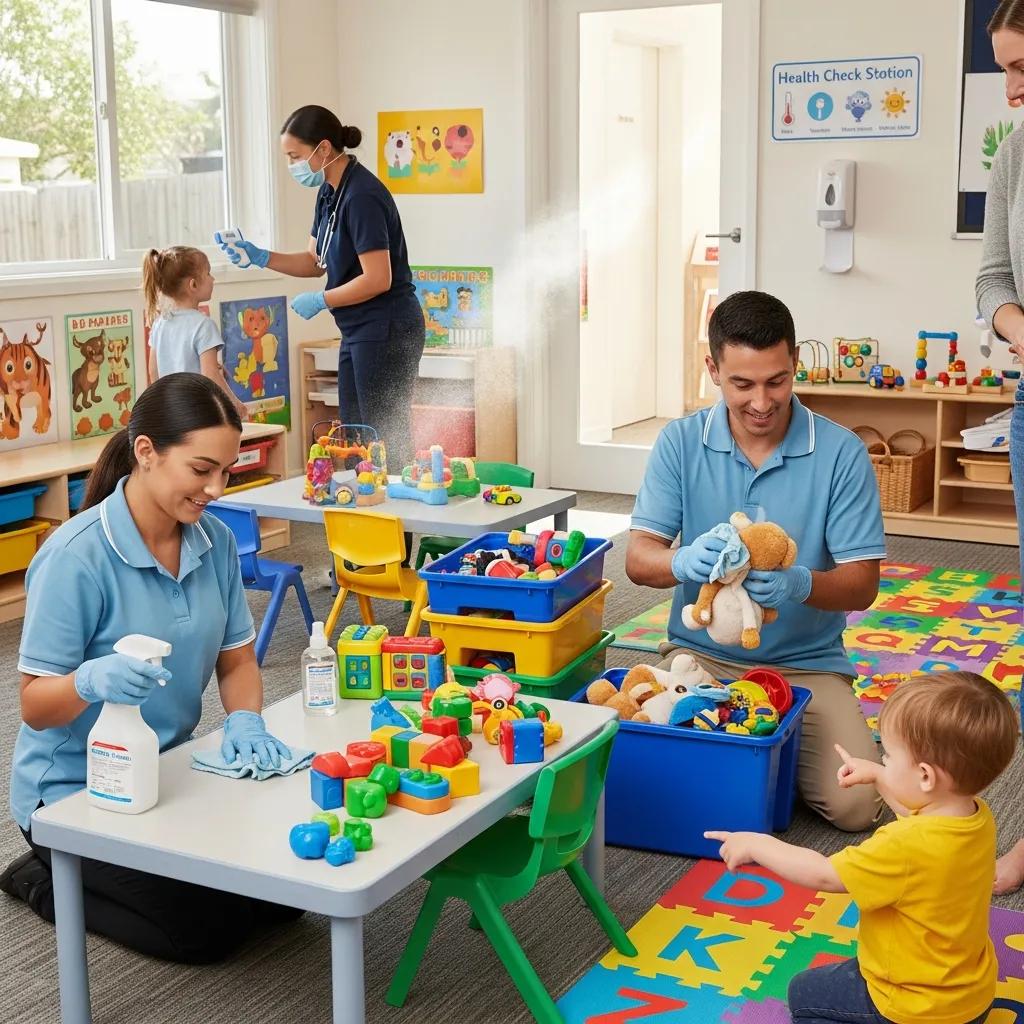
Childcare centers implement various daily safety and hygiene practices, including:
- Regular Cleaning: Daily sanitation of toys, surfaces, and bathrooms to prevent illness.
- Health Screenings: Morning checks to monitor children’s health before entering the facility.
- Staff Training: Ongoing education for staff on hygiene best practices and emergency preparedness.
These measures ensure that children engage in a clean and secure environment, promoting overall health.
What Childcare Payment Options and Policies Should Parents Know?
Understanding the payment options and related policies is essential for parents when budgeting for childcare. Many centers provide different methods for making payments, which can significantly ease the financial aspect of childcare.
Which Payment Methods Are Accepted for Daycare and Preschool Fees?
Most daycare and preschool centers offer a variety of payment methods to accommodate families, including:
- Credit/Debit Cards: Convenient for online payments and in-person transactions.
- Bank Transfers: Direct deposits from parents’ bank accounts to secure payment.
- Checks: Many facilities still accept checks during enrollment or monthly payments.
Familiarizing oneself with these options can streamline the payment process and prevent late fees.
What Are the Payment Deadlines, Late Fees, and Financial Assistance Programs?
Parents should be aware of key payment guidelines, including:
- Payment Deadlines: Monthly fees typically due at the beginning of each month.
- Late Fees: Policies often include penalties for late payments, which can range from $10 to $50 depending on the facility.
- Financial Assistance Programs: Some centers offer sliding scale fees or scholarships based on income to assist families in need.
These policies help ensure transparency and maintain smooth operations within childcare facilities.
How Is Parent Communication Managed in Childcare Settings?
Effective communication between parents and childcare providers is essential for fostering a positive relationship and ensuring that parents are informed about their child’s activities and progress.
What Are the Available Contact Methods and Update Frequencies for Parents?
Childcare centers usually provide various methods for parents to stay connected, such as:
- In-Person Meetings: Scheduled conferences to discuss child development and health.
- Email Updates: Regular newsletters or important announcements sent directly to parents.
- Phone Calls: Immediate communication regarding emergencies or significant events.
Maintaining open lines of communication helps parents stay informed and engaged.
How Can Parents Participate in Child Development and Involvement Programs?
Parents are encouraged to actively participate in their child’s learning and development. Opportunities for involvement include:
- Volunteer Opportunities: Assisting with events or activities within the classroom.
- Parent Workshops: Educational sessions that equip parents with tools to support their child’s growth.
- Feedback Sessions: Platforms for parents to provide input on programs and policies.
These involvement opportunities enhance the relationship between parents and the childcare center, benefiting the child’s overall experience.
What Special Provisions Support Children with Additional Needs in Childcare?
Childcare centers often develop specialized provisions to accommodate children with additional needs, ensuring that every child receives appropriate support.
How Are Individualized Care Plans Developed and Implemented?
Individualized care plans (ICPs) are essential for children requiring extra attention. The development process includes:
- Assessment: Evaluating the child’s unique needs through observations and consultations.
- Collaboration: Involving parents, teachers, and specialists in crafting effective strategies.
- Monitoring: Regular follow-ups to assess progress and adjust plans as necessary.
These practices empower children with additional needs to thrive in a supportive environment.
What Resources Are Available for Special Needs Support and Inclusion?
Childcare facilities can offer various resources designed to assist families of children with special needs, including:
- Access to Specialists: In-house or contracted specialists who provide tailored support.
- Adapted Materials: Special tools or educational materials that cater to different learning styles.
- Parent Networks: Connections among families with similar needs for shared experiences and advice.
Providing these resources is integral in creating an inclusive environment for all children.
Where Can Parents Find Updated Childcare Licensing and Regulatory Information?
Keeping abreast of childcare licensing and regulatory standards is important for parents. This information ensures that the facilities meet safety and quality benchmarks set by governing bodies.
What Are the Latest Licensing Requirements and Safety Standards for 2024-2026?
New regulations often mandate that childcare centers maintain high safety and quality standards. Key updates for 2024-2026 may include:
- Health and Safety Standards: Increased requirements for cleanliness and health protocols.
- Staff-to-Child Ratios: Adjustments in staffing regulations to ensure appropriate supervision.
- Training Certifications: Enhanced training mandates for staff on safety and emergency procedures.
These licensing updates reflect ongoing efforts to improve childcare quality.
How Can Parents Verify Childcare Center Credentials and Compliance?
Parents can verify a childcare center’s compliance by:
- Checking State Websites: Many states maintain public records of accredited facilities and their compliance standings.
- Requesting Documentation: Directly asking the facility for evidence of certifications and training.
- Reading Reviews: Looking at parent reviews and feedback regarding the childcare center’s practices.
Verifying credentials provides parents with peace of mind regarding their child’s care environment.