Toddler Milestones and Early Learning Tips: Your Guide to Language, Motor, and Cognitive Development
Understanding toddler milestones in language, motor skills, and cognitive development is crucial for parents and caregivers navigating early childhood. During this critical period, children experience rapid growth, acquiring essential skills in communication, movement, and social interaction. Parents will learn about key developmental milestones and effective strategies to support learning during these formative years. Juggling the demands of caring for a toddler while ensuring they meet developmental benchmarks can be challenging. This guide offers insights into identifying milestones and activities that promote growth. We’ll cover crucial language development milestones, motor skill mastery, cognitive and emotional growth, and how to create a nurturing learning environment at home.
What Are the Key Language Development Milestones for Toddlers?
Language development in toddlers often progresses in predictable stages, marking significant milestones that reflect their growing ability to understand and use language. By recognizing these milestones, parents can track their child’s progress and identify areas that may require additional support. Key milestones vary by age: from the first words around twelve months to more complex sentences by the age of three. Engaging in conversation, reading aloud, and singing songs are effective activities that stimulate early language acquisition and enhance literacy skills.
How Does Speech Development Progress Between 12 and 36 Months?
From around 12 to 36 months, toddlers experience marked advancements in speech. Initially, they will begin using single words such as “mama” or “ball,” then progress to two-word phrases like “more juice” or “big truck” by the age of two. By three, many toddlers can form simple sentences. Engaging in interactive reading and encouraging imitative play can significantly enhance speech skills during this period.
Research highlights that the first three years of a child’s life are vital for language development, especially for children from socioeconomically disadvantaged backgrounds.
Intervention Strategies for Toddler Language Development
1. The first three years of a child’s life are marked by rapid development, forming trajectories for ongoing development and learning. In the USA, almost half of the population of children under three experience levels of socioeconomic disadvantage that threaten their development and later success, particularly in the areas of language acquisition. Immigrant children are largely represented in this group. Given the pivotal role of parent–child interactions to children’s language development, early intervention should build upon parents’ cultural strengths and values. This chapter presents an overview of the development and evaluation of Little Talks, an intervention designed for home visiting programs serving low-income infants and toddlers. Little Talks was designed in partnership with low-income, ethnic minority parents and Early Head Start home visiting staff to ensure that it would be culturally meaningful and feasible. The Little Talks intervention is coupled with implementation supports to enable home visitors to tailor it to individual children and their parents. Emerging evidence supports Little Talks’ effectiveness in enhancing parents’ involvement in children’s learning activities and in preventing elevations in maternal depression, especially for Spanish-speaking, newly immigrant parents. Promising impacts on children’s communication and language skills have also been observed. Little Talks: A modular treatment approach for promoting infant and toddler language acquisition through parents’ preferences and competencies, PH Manz, 2018
What Activities Support Toddler Language Acquisition and Early Literacy?
Several delightful activities can enhance language skills and support early literacy in toddlers. For instance:
Reading Together: Sharing storybooks daily can introduce new vocabulary and concepts.
Singing Songs: Rhyming songs and nursery rhymes improve phonemic awareness.
Interactive Play: Games that involve turn-taking and description promote communicative skills.
These activities not only foster language development but also strengthen the bonding experience between parent and child.
How Do Motor Skills Develop in Toddlers? Fine vs. Gross Motor Milestones Explained
Motor skill development is fundamental in toddlers, encompassing both fine and gross motor skills. Fine motor skills involve the use of small muscles, such as grasping and manipulating objects, while gross motor skills pertain to larger movements like walking or jumping. Understanding the differences between these skills allows parents to recognize milestones and encourage appropriate growth through play and exploration.
Which Gross Motor Skills Should Toddlers Master and When?
Gross motor skills develop in stages, with major milestones expected within specific age ranges:
By 12 months: Most toddlers can sit without support and may start crawling.
By 18 months: They typically walk independently and may begin to run.
By 24 months: Many can kick a ball and climb onto furniture.
Encouraging outdoor play and providing space for movement are essential for fostering gross motor development.
Early stimulation plays a significant role in improving gross motor development in toddlers aged 12-24 months.
Early Stimulation’s Impact on Toddler Gross Motor Development
2. Growth and development is a process that occurs in life. Development stage in children is a series of regular growth from one stage of development to the stage of development of generally applicable. The aim of this study was to determine the effect of early stimulation of children aged 12-24 months against gross motor development at IHC Corner 1 Corner Village District of Ponggok Blitar. The study design used is a pre- experimental with one group pre-post test design. The sample from this study were 20 infants in the IHC Corner Village Corner Ponggok District of Blitar. The sampling technique used was total sampling. The analysis in this study used paired samples t test and assisted by using SPSS program. The results showed an increase in the percentage of gross motor development of children before and after the early stimulation that motor development with the appropriate category of 7 respondents, or 35% to 16 respondents or 80%. While the dubious category of 13 respondents or 65% after stimulation given to 4 respondents or 20%. In addition, there were no children who have a distorted gross motor development. Based on statistical test sample paired t test showed p value = 0.024
How Can Parents Encourage Fine Motor Skills Like Grasping and Manipulation?
Fine motor skills are crucial for everyday tasks. Parents can support this development by:
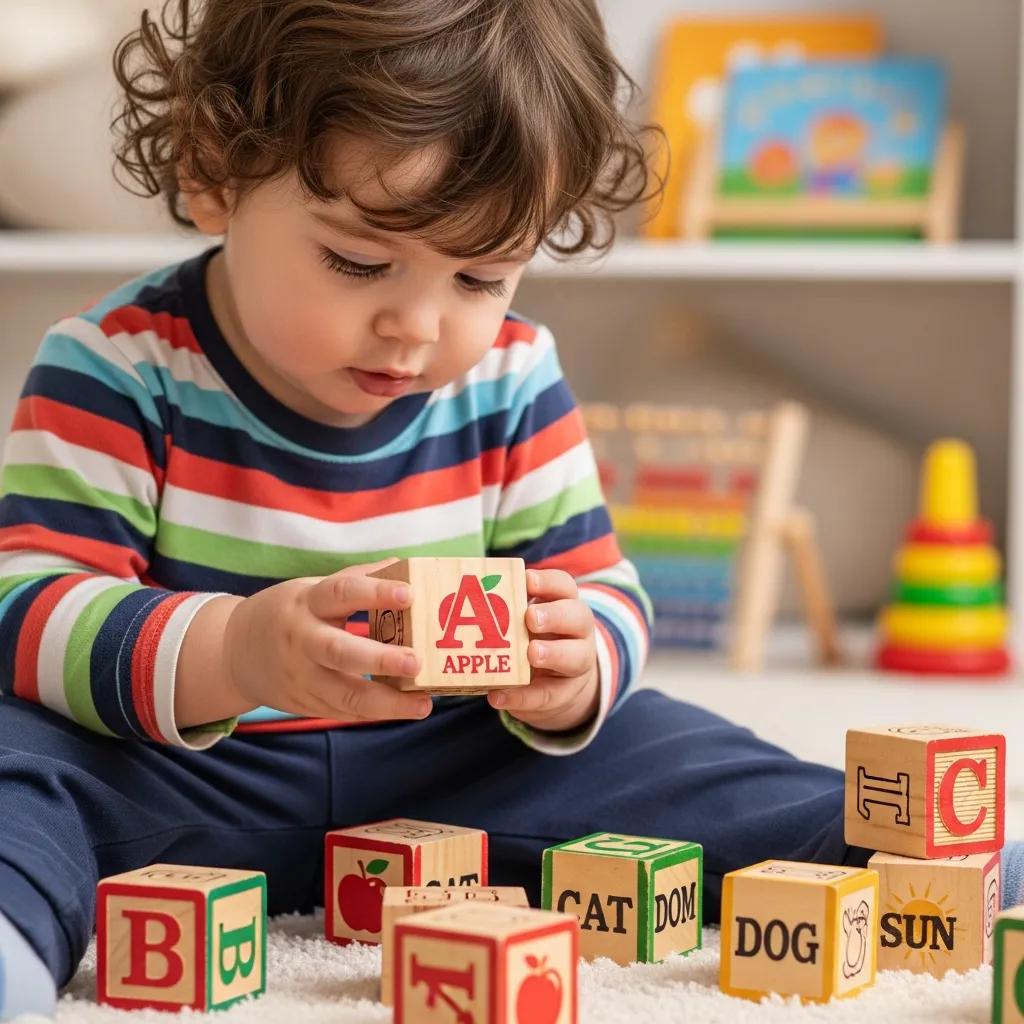
Providing Manipulatives: Toys like blocks and shape sorters encourage grasping and manipulation.
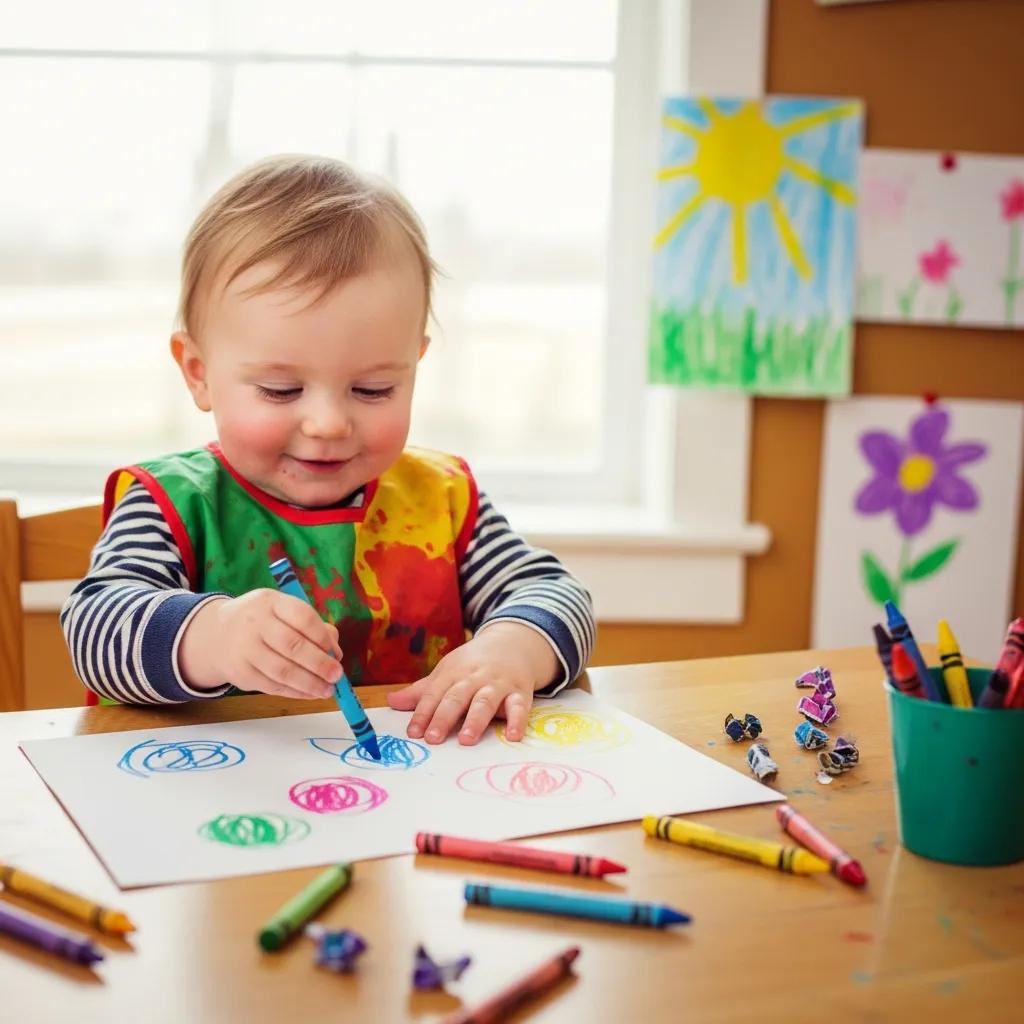
Art Activities: Simple drawing or crafting enhances dexterity.
Daily Tasks: Involving toddlers in tasks such as buttoning clothes or stirring ingredients while cooking can refine their skills.
These activities not only promote fine motor skills but also build independence and confidence.
What Are Typical Cognitive and Social-Emotional Milestones in Early Childhood?
Cognitive and emotional skills are intertwined with overall development in early childhood. Cognitive milestones involve problem-solving, memory, and decision-making abilities. Social-emotional skills refer to a child’s ability to interact with others and manage their emotions. Monitoring these areas helps caregivers support toddlers through various pressures of growing up, including sharing and displaying empathy.
How Do Toddlers Develop Problem-Solving and Memory Skills?
Typically, toddlers enhance their problem-solving abilities through play and exploration. They engage in trial and error, which fosters memory and learning. Activities that challenge them to solve puzzles or match objects promote these crucial skills. Encouraging questions and providing opportunities for independent exploration can significantly augment their problem-solving capabilities.
When Do Social-Emotional Skills Like Sharing and Empathy Typically Emerge?
Social-emotional skills begin to emerge around 18 months. Children start to engage in parallel play, where they play alongside peers but not necessarily together. By age two, they may exhibit signs of empathy, such as comforting a crying friend. Activities such as cooperative games and role-playing can help nurture these essential skills. Recognizing these developmental aspects can guide parents in offering correct support throughout varying emotional stages.
How Can Parents Support and Promote Early Learning at Home?
Supporting early learning at home is vital for toddler development. Parents can create an enriching environment that fosters exploration and learning by implementing structured yet flexible activities. This approach encourages curiosity and skill acquisition in language, motor, and cognitive areas.
What Are Effective How-To Activities That Foster Language and Motor Skills?
Parents can implement a variety of enriching activities that promote both language and motor skills:
Obstacle Courses: Create a home obstacle course requiring crawling under tables or stepping over pillows, fostering gross motor skills.
Simple Descriptive Play: Describe objects while playing, enhancing language skills, as in “Let’s find the red ball!”
Cooking Together: Involving toddlers in simple cooking tasks encourages both fine motor skills and language development through vocabulary expansion.
These activities not only reinforce essential skills but also make learning enjoyable for both parent and child.
Why Is Sensory Play Important for Toddler Development?
Sensory play is a critical component of toddler learning, supporting cognitive growth and fine motor skills by engaging the senses. Activities such as playing in sand, water games, or using playdough can foster exploration and creativity. Sensory experiences help toddlers understand their environment and build neurological connections that are vital for overall development.
What Are the Signs of Developmental Delays and When Should You Seek Help?
Recognizing signs of developmental delays is essential for timely intervention. Parents should be alert to specific milestones and seek assistance if their toddler exhibits persistent difficulties in speech, motor skills, or social interactions.
Which Developmental Delay Symptoms Affect Language and Motor Skills?
Common signs that may indicate delays include:
Language Development: Not using single words by 12-15 months.
Motor Skills: Failing to walk by 18 months or notable clumsiness.
Social-emotional Skills: Limited interaction with peers or adults.
Awareness of these signs allows for early identification and intervention, which can greatly enhance the child’s developmental trajectory.
How Can Early Intervention and Professional Assessment Support Your Toddler?
Early intervention is critical when developmental delays are suspected. Professional assessments from pediatricians or child psychologists can provide valuable insights into targeted therapies. Early support can involve speech therapy, occupational therapy, or developmental rehabilitation, all tailored to meet the child’s specific needs.
What Common Questions Do Parents Have About Toddler Milestones and Early Learning?
Parents often have questions about what to expect at different developmental stages. It is important to address these common queries to support their understanding and provide reassurance.
When Should My Toddler Start Talking and What Is Normal Language Variation?
Typically, most toddlers begin speaking their first words around twelve months, while variations can be perfectly normal. Some children may start speaking earlier, while others may take a bit longer. It is essential to engage regularly in conversation and reading to facilitate language skills. Understanding that language development varies can alleviate parental concerns about delays.
How Do I Know If My Toddler’s Motor Skills Are Developing Typically?
Indicators of typical motor skill development include crawling by 12 months, walking by 15-18 months, and improved coordination by age two. Engaging in physical activities and observing milestones can help parents track their child’s development effectively. If concerns arise about motor skills, consulting a pediatrician for an assessment can provide guidance and strategies for support.
How Can Parents Encourage Fine Motor Skills Like Grasping and Manipulation?
Fine motor skills are crucial for everyday tasks. Parents can support this development by:
Providing Manipulatives: Toys like blocks and shape sorters encourage grasping and manipulation.
Art Activities: Simple drawing or crafting enhances dexterity.
Daily Tasks: Involving toddlers in tasks such as buttoning clothes or stirring ingredients while cooking can refine their skills.
These activities not only promote fine motor skills but also build independence and confidence.
What Are Typical Cognitive and Social-Emotional Milestones in Early Childhood?
Cognitive and emotional skills are intertwined with overall development in early childhood. Cognitive milestones involve problem-solving, memory, and decision-making abilities. Social-emotional skills refer to a child’s ability to interact with others and manage their emotions. Monitoring these areas helps caregivers support toddlers through various pressures of growing up, including sharing and displaying empathy.
How Do Toddlers Develop Problem-Solving and Memory Skills?
Typically, toddlers enhance their problem-solving abilities through play and exploration. They engage in trial and error, which fosters memory and learning. Activities that challenge them to solve puzzles or match objects promote these crucial skills. Encouraging questions and providing opportunities for independent exploration can significantly augment their problem-solving capabilities.
When Do Social-Emotional Skills Like Sharing and Empathy Typically Emerge?
Social-emotional skills begin to emerge around 18 months. Children start to engage in parallel play, where they play alongside peers but not necessarily together. By age two, they may exhibit signs of empathy, such as comforting a crying friend. Activities such as cooperative games and role-playing can help nurture these essential skills. Recognizing these developmental aspects can guide parents in offering correct support throughout varying emotional stages.
How Can Parents Support and Promote Early Learning at Home?
Supporting early learning at home is vital for toddler development. Parents can create an enriching environment that fosters exploration and learning by implementing structured yet flexible activities. This approach encourages curiosity and skill acquisition in language, motor, and cognitive areas.
What Are Effective How-To Activities That Foster Language and Motor Skills?
Parents can implement a variety of enriching activities that promote both language and motor skills:
Obstacle Courses: Create a home obstacle course requiring crawling under tables or stepping over pillows, fostering gross motor skills.
Simple Descriptive Play: Describe objects while playing, enhancing language skills, as in “Let’s find the red ball!”
Cooking Together: Involving toddlers in simple cooking tasks encourages both fine motor skills and language development through vocabulary expansion.
These activities not only reinforce essential skills but also make learning enjoyable for both parent and child.
Why Is Sensory Play Important for Toddler Development?
Sensory play is a critical component of toddler learning, supporting cognitive growth and fine motor skills by engaging the senses. Activities such as playing in sand, water games, or using playdough can foster exploration and creativity. Sensory experiences help toddlers understand their environment and build neurological connections that are vital for overall development.
What Are the Signs of Developmental Delays and When Should You Seek Help?
Recognizing signs of developmental delays is essential for timely intervention. Parents should be alert to specific milestones and seek assistance if their toddler exhibits persistent difficulties in speech, motor skills, or social interactions.
Which Developmental Delay Symptoms Affect Language and Motor Skills?
Common signs that may indicate delays include:
Language Development: Not using single words by 12-15 months.
Motor Skills: Failing to walk by 18 months or notable clumsiness.
Social-emotional Skills: Limited interaction with peers or adults.
Awareness of these signs allows for early identification and intervention, which can greatly enhance the child’s developmental trajectory.
How Can Early Intervention and Professional Assessment Support Your Toddler?
Early intervention is critical when developmental delays are suspected. Professional assessments from pediatricians or child psychologists can provide valuable insights into targeted therapies. Early support can involve speech therapy, occupational therapy, or developmental rehabilitation, all tailored to meet the child’s specific needs.
What Common Questions Do Parents Have About Toddler Milestones and Early Learning?
Parents often have questions about what to expect at different developmental stages. It is important to address these common queries to support their understanding and provide reassurance.
When Should My Toddler Start Talking and What Is Normal Language Variation?
Typically, most toddlers begin speaking their first words around twelve months, while variations can be perfectly normal. Some children may start speaking earlier, while others may take a bit longer. It is essential to engage regularly in conversation and reading to facilitate language skills. Understanding that language development varies can alleviate parental concerns about delays.
How Do I Know If My Toddler’s Motor Skills Are Developing Typically?
Indicators of typical motor skill development include crawling by 12 months, walking by 15-18 months, and improved coordination by age two. Engaging in physical activities and observing milestones can help parents track their child’s development effectively. If concerns arise about motor skills, consulting a pediatrician for an assessment can provide guidance and strategies for support.