
Toddler Program and Curriculum Guide
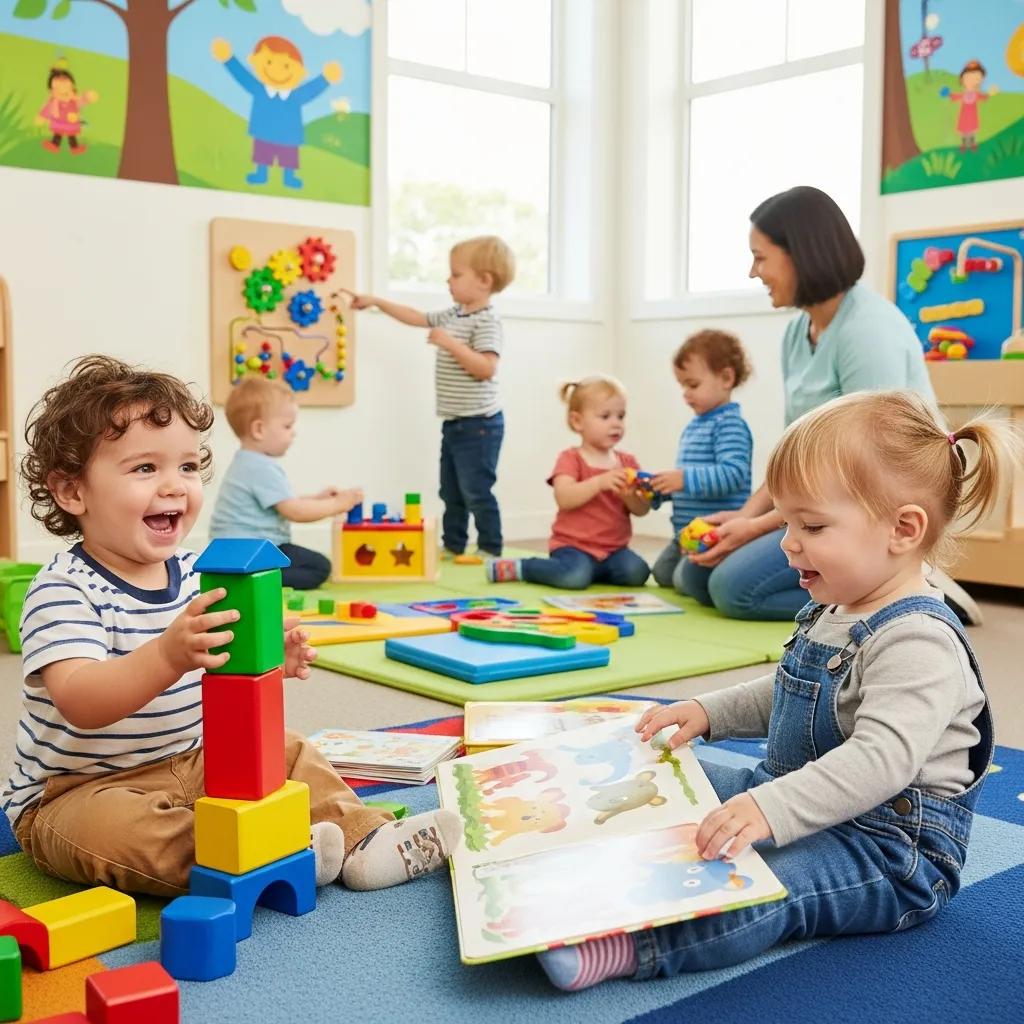
Comprehensive Toddler Program and Curriculum Guide: Essential Early Childhood Education Activities and Developmental Milestones
Understanding the developmental stages of toddlers is crucial for caregivers and educators involved in early childhood education. This comprehensive guide delves into essential aspects of toddler programs and curricula, aimed at fostering growth and learning for children aged 1 to 3 years. Readers will discover key developmental milestones, age-appropriate curriculum components, engaging activities, and best practices for facilitating parent involvement. With a focus on enhancing cognitive, motor, and social-emotional skills, this article serves as a valuable resource for designing effective programs that support preschool readiness.
As caregivers recognize the unique developmental needs of toddlers, addressing these needs within structured programs becomes increasingly essential. This guide outlines actionable strategies and insights to build enriching educational experiences that promote holistic growth in young children. We will explore foundational milestones, play-based learning, and how to engage parents effectively, ensuring that each child is supported in their individual learning journey.
What Are Key Toddler Developmental Milestones from Ages 1 to 3?
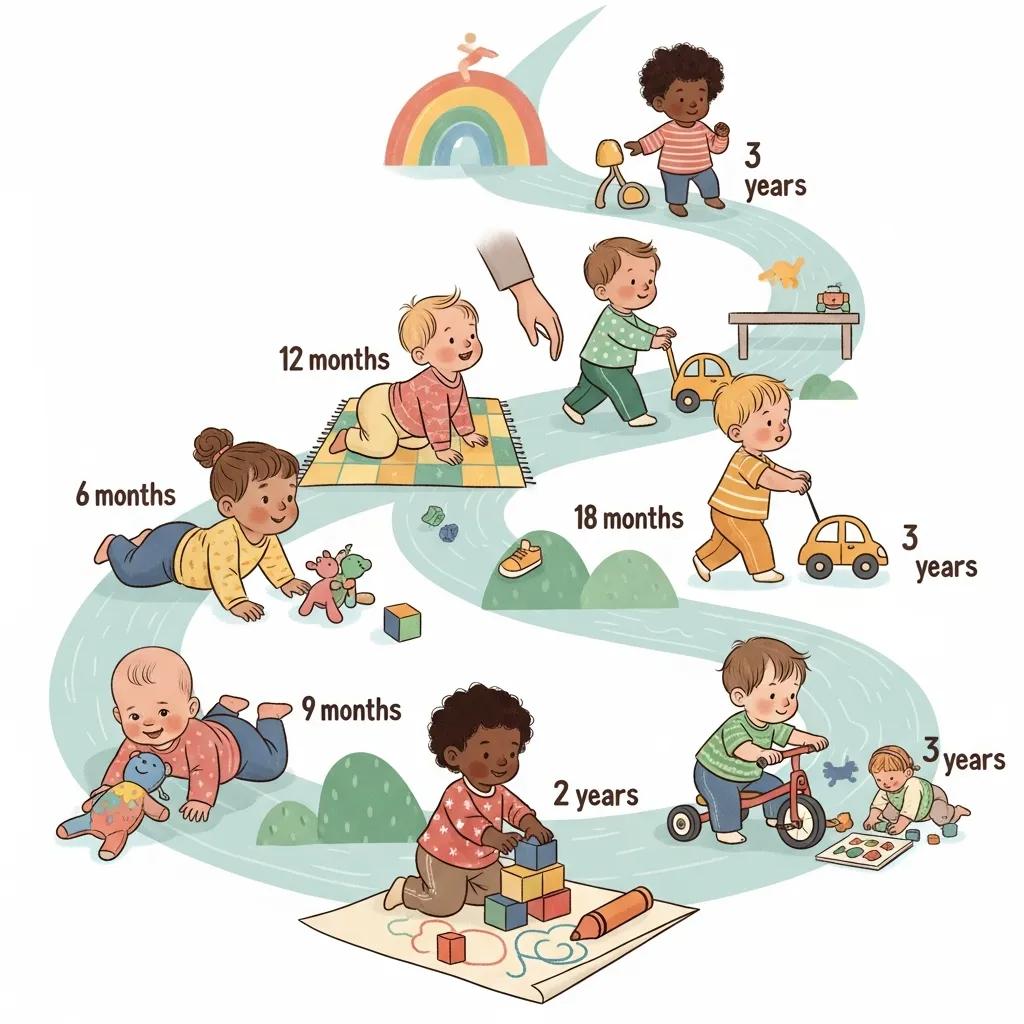
Understanding the key developmental milestones that toddlers achieve from ages 1 to 3 is vital for supporting their growth. These milestones encompass essential cognitive, motor, and social-emotional skills that children develop during this critical period. By tracking these milestones, parents and educators can identify areas of strength and areas that may need further support, ensuring that children receive the appropriate guidance for their developmental stage.
How Do Cognitive, Motor, and Social-Emotional Skills Progress in Toddlers?
Cognitive skills in toddlers progress significantly as they explore their environment and learn about the world around them. By age 1, toddlers begin to develop memory and problem-solving skills, which progress into more complex cognitive tasks such as recognizing shapes and colors by age 2. Meanwhile, motor skills evolve from simple movements, such as crawling and walking, to finer tasks like stacking blocks and using crayons. Social-emotional skills also develop, with toddlers learning to express their feelings and interact with peers, showcasing empathy and sharing behaviors.
The interconnected growth of cognitive, motor, and social-emotional skills ensures that toddlers are not only mastering tasks but are also gaining the confidence and social practices necessary for later stages of development. Recognizing these skills allows caregivers to tailor their approaches to meet each child’s unique needs.
Which Milestone Checklists Help Track Toddler Growth Effectively?
Tracking toddler growth can be effectively managed through various milestone checklists that outline typical developmental stages. Key resources include:
- CDC’s Developmental Milestones Checklist – This checklist offers a structured way to assess developmental progress at various ages, providing guidelines for parental observations.
- Ages and Stages Questionnaire (ASQ) – The ASQ is a widely used screening tool that helps parents and providers identify any concerns in a child’s development.
- Developmental Screening Tools – Various tools and apps offer features to log observations, making it easier for parents and educators to track milestones over time.
Utilizing these checklists aids parents in understanding their child’s development better and encourages appropriate interventions when necessary.
How to Design Age-Appropriate Curriculum for Toddlers in Daycare Settings?
Designing an age-appropriate curriculum for toddlers in daycare settings involves carefully considering the developmental stages of children at this age. An effective curriculum should integrate activities that promote holistic growth across all developmental areas. A well-structured daycare curriculum positions educators to engage toddlers through meaningful experiences.
What Components Should a Daycare Curriculum for 1-Year-Old Toddlers Include?
An effective daycare curriculum for 1-year-old toddlers should consist of essential components:
- Play-Based Activities: Incorporate a variety of play scenarios that enhance creativity and critical thinking, allowing children to explore and learn in a hands-on manner.
- Language Development: Use songs, rhymes, and storytelling to foster language growth and comprehension.
- Physical Activities: Ensure that there are opportunities for gross and fine motor skill development through exercise and hands-on tasks.
Integrating these components into daily routines maximizes engagement and supports overall development in toddlers.
How Does Play-Based Learning Enhance Toddler Development?
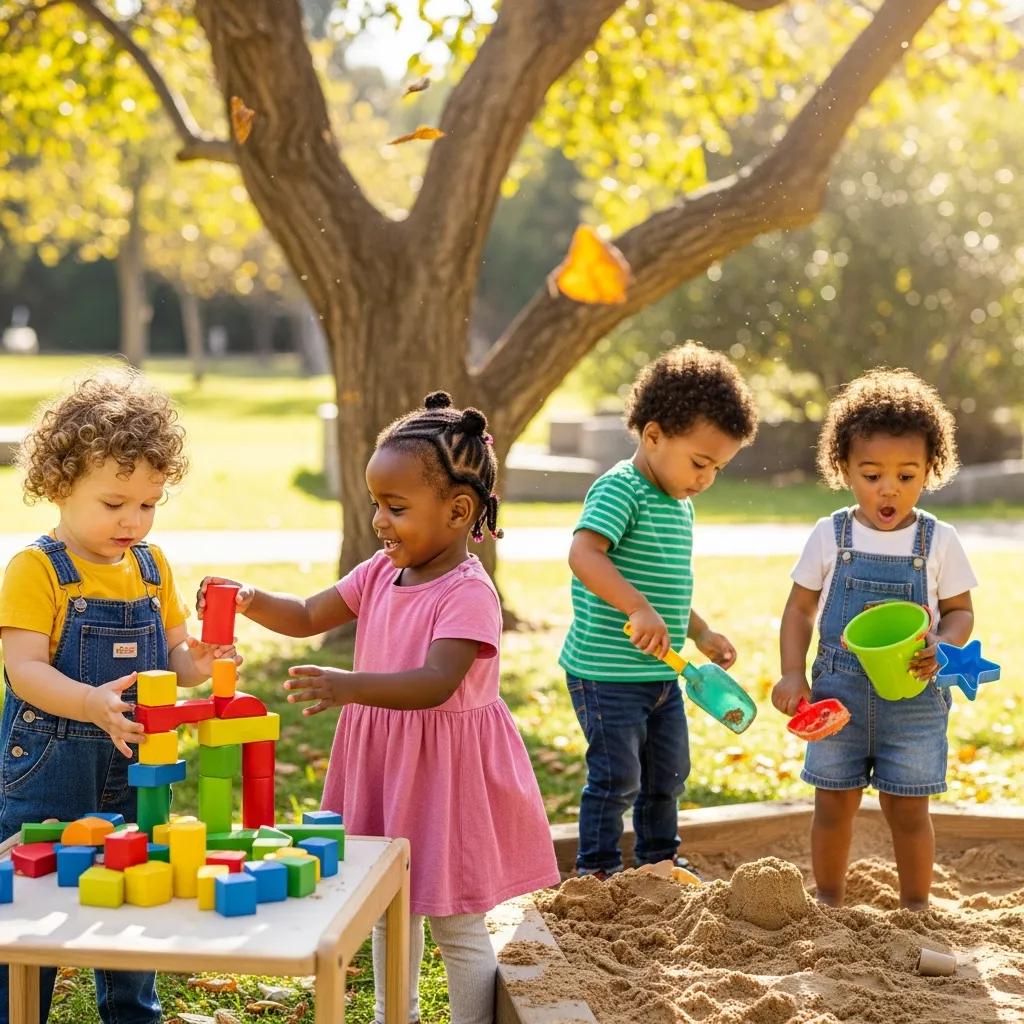
Play-based learning is fundamental in enhancing toddler development, as it aligns with their natural curiosity and desire to explore. This type of learning encourages active engagement and supports the development of critical skills such as problem-solving, social interaction, and resilience.
Research shows that play facilitates cognitive growth through exploration and experimentation, while also nurturing emotional and social capabilities. Educators can implement structured play interactions that encourage collaboration and sharing among children, thereby enriching their learning environment.
Which Practical Early Childhood Education Activities Support Preschool Readiness Skills?
Implementing practical early childhood education activities is crucial for fostering preschool readiness skills among toddlers. These activities not only support skill development but also help children transition smoothly into more formal educational settings.
What Are Effective Social and Emotional Learning Activities for Toddlers?
Social and emotional learning (SEL) activities are essential for toddlers as they navigate their feelings and learn to interact with others. Effective activities include:
- Emotion Charades: Engaging toddlers in this game helps them express and recognize feelings through facial expressions and role-play.
- Storytime Discussions: Reading books with emotional themes and discussing the characters’ feelings promotes empathy and understanding.
- Cooperative Games: Simple group games that require sharing and teamwork teach interaction skills and cooperation.
These activities provide toddlers with a safe space to explore their emotions and develop crucial social skills.
How Can Outdoor and Sensory Activities Stimulate Toddler Learning?
Outdoor and sensory activities are invaluable for stimulating toddler learning. They not only keep children active but also connect them to the world around them through varied experiences. Examples of effective activities include:
- Nature Walks: Exploring parks or gardens allows toddlers to interact with the environment, enhancing their observational skills and adaptability.
- Sensory Bins: Filling containers with rice, sand, or water engages children’s tactile senses and promotes fine motor skills through manipulation and exploration.
- Outdoor Games: Activities such as tag or obstacle courses encourage physical development while also providing opportunities for social interaction.
These activities foster an energetic, engaging learning atmosphere where toddlers can learn and thrive.
What Are Best Practices for Parent Engagement in Toddler Programs?
Parent engagement plays a crucial role in toddler developmental programs. It fosters collaboration between caregivers and educators, creating a supportive environment for children. Understanding effective strategies for engaging parents is vital for improving developmental outcomes.
How Can Communication Strategies Enhance Parental Involvement?
Effective communication strategies can significantly enhance parental involvement in toddler programs. Key approaches include:
- Regular Updates: Providing parents with frequent updates about their child’s progress and activities fosters transparency and trust.
- Workshops and Meetings: Hosting parent workshops on topics such as child development and learning strategies encourages active participation and creates a community of support.
- Feedback Mechanisms: Establishing channels for parents to share their thoughts and suggestions promotes collaborative relationship building and responsive curriculum adjustments.
These strategies create a partnership between families and educators that supports children’s development.
Why Is Parental Participation Critical to Toddler Development Outcomes?
Parental participation is proven to have a significant impact on toddler development outcomes. Studies indicate that engaged parents positively influence their children’s social, emotional, and academic success. Active parental involvement can lead to:
- Improved Learning Attitudes: Children whose parents engage in their education demonstrate more positive attitudes towards learning.
- Social Competence: A supportive home environment enhances a child’s ability to interact with peers effectively.
- Greater Resilience: Involvement provides children with a safety net that helps them navigate challenges, promoting resilience.
Through effective parent engagement, educational programs can enhance developmental success for toddlers.
Which Features Distinguish the Best Daycare Programs for Toddlers?
Identifying the features of quality daycare programs is essential for parents seeking the best learning environments for their toddlers. Certain characteristics distinguish exceptional programs and ensure a supportive atmosphere for growth.
What Safety and Quality Standards Should Parents Expect?
Parents should expect rigorous safety and quality standards in daycare programs, encompassing several vital aspects:
- Child-Centered Environment: Programs should prioritize a nurturing atmosphere that encourages exploration and learning.
- Accreditation Standards: Facilities adhering to national or state accreditation standards demonstrate credibility and commitment to quality education.
- Health and Safety Protocols: Effective programs implement comprehensive health and safety measures to protect children at all times, including building security and hygiene practices.
These standards create a solid foundation for toddlers’ care and education, ensuring they are in safe hands.
How Do Programs Tailor Curriculum to Individual Toddler Needs?
Tailoring the curriculum to meet individual toddler needs is crucial for optimal development. Effective daycare programs utilize strategies such as:
- Individual Assessments: Regular evaluations of each child’s developmental milestones help create personalized learning paths.
- Flexible Learning Approaches: Adjusting teaching methods based on individual learning styles ensures that each child can thrive in their unique way.
- Parental Input: Engaging parents in discussions about their child’s needs leads to more focused and personalized curricular adjustments.
This flexibility ensures that every child receives support that aligns with their specific developmental requirements, fostering a more beneficial learning experience.