
Home Childproofing Checklist and Tips

Comprehensive Home Childproofing Checklist and Tips for Ensuring Child Safety with Effective Products and Injury Prevention
Creating a safe environment for children is a top priority for parents and caregivers. This comprehensive guide will provide essential insights and strategies on home childproofing, highlighting various hazards to look out for, necessary child safety products, and effective methods to implement a childproofing plan at home. Parents and guardians often face challenges in navigating the myriad of safety concerns that arise as their children grow and explore their surroundings. By implementing effective childproofing measures, injury prevention becomes an achievable goal. This article will cover common home hazards, essential safety products, actionable checklists, emergency preparedness, and tips to maintain an enriching and safe home environment for children.
What Are the Most Common Home Hazards to Identify for Child Safety?
Identifying potential hazards within the home is a crucial first step in childproofing efforts. Common home hazards are often overlooked and can pose serious risks to children. These hazards often include sharp objects, toxic substances, choking risks, and drowning opportunities. Understanding what dangers exist in various parts of the home helps in creating a safer space for children.
Which Hazards Affect Different Rooms in the Home?
Different rooms in the house present unique hazards that can impact child safety. For instance, kitchens often contain sharp objects and chemicals that can be dangerous. Living rooms may have choking hazards from small toys and decor items. Bathrooms typically include drowning risks, such as bathtubs and toilets. Assessing these dangers on a room-by-room basis is essential for effective childproofing.
How Do Toxic Household Substances Pose Risks to Children?
Toxic substances commonly found in households can pose significant risks to children. These may include cleaning agents, medications, and even certain plants. Long-term exposure to these toxins can lead to serious health issues, making it critical to store these materials safely out of reach. Preventative measures, like using child-proof locks and proper storage solutions, are key to minimizing these risks.
What Essential Child Safety Products Are Needed to Baby Proof Your Home?
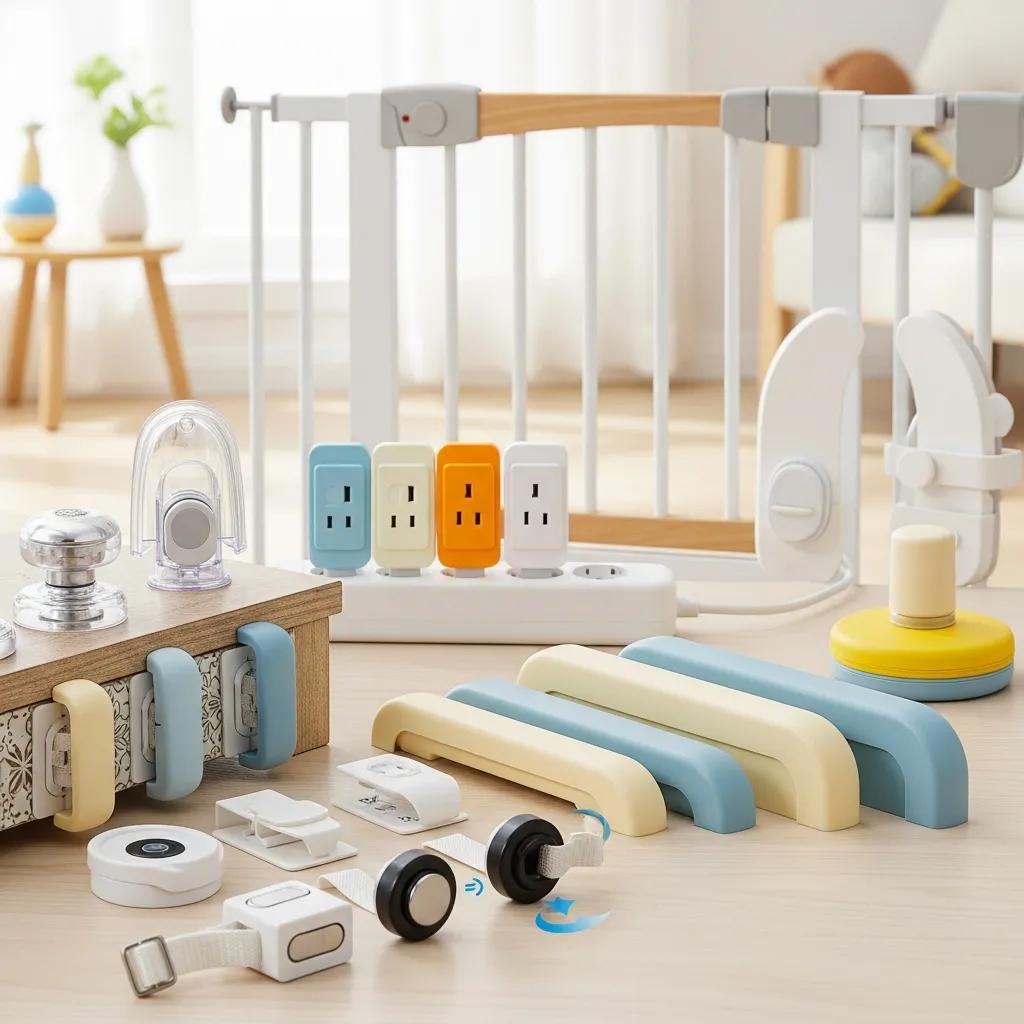
To effectively childproof your home, certain essential safety products are necessary. These products can help tackle the most common hazards, offering peace of mind for parents. Investing in high-quality child safety products is a proactive approach to preventing accidents and injuries.
How Do Child Safety Gates and Cabinet Locks Prevent Common Injuries?
Child safety gates and cabinet locks serve as vital tools for preventing common injuries in the home. Safety gates can block off dangerous stairways or rooms that are not child-friendly, while cabinet locks secure potentially harmful contents like chemicals and sharp objects. These measures create physical barriers that ensure children cannot access high-risk areas or items, dramatically reducing the likelihood of injury.
Why Are Electrical Outlet Covers Critical for Injury Prevention?
Electrical outlet covers are crucial for child safety, protecting curious little hands from potentially deadly electrical shocks. Outlets are often located at child height, making them easily accessible. By covering these outlets, parents can prevent children from inserting objects and reduce the risk of electrocution. Statistical data indicate that proper outlet coverings can significantly lower the incidence of electrical accidents in homes.
How Can Parents Implement an Effective Home Childproofing Checklist?
Creating and implementing a thorough home childproofing checklist is an essential step in ensuring a safe environment for children. This checklist can help parents systematically assess and address safety concerns throughout their home, adapting as their children grow and explore.
What Room-by-Room Steps Should Be Taken to Childproof Your Home?
A room-by-room approach to childproofing allows for thorough safety assessments. Here are key steps to follow:
- Living Room: Remove small items that could be choking hazards, such as coins or small toys. Ensure that furniture is stable to prevent tipping.
- Kitchen: Store sharp objects like knives and scissors in locked drawers. Keep hazardous substances such as cleaning supplies in high cabinets.
- Bathroom: Always supervise children during baths and secure medications and toxic substances in locked cabinets.
- Bedroom: Place crib and other furniture securely away from windows to prevent falls.
Regularly reviewing and updating these safety measures helps adapt to developmental changes, ensuring continued protection.
When Should Childproofing Measures Be Adjusted According to Child Development?
As children grow, their ability to explore their environment changes, necessitating adjustments to childproofing measures. Milestones related to mobility, such as walking or climbing, signal the need for increased vigilance and additional safety measures. A checklist for re-evaluating safety at specific ages can help ensure that adjustments are made according to developmental stages and capabilities, keeping pace with their curiosity and newfound independence.
What Emergency Prevention and First Aid Preparedness Should Families Have at Home?
Being prepared for emergencies is a crucial aspect of child safety. Families should have effective strategies and first aid supplies in place to deal with potential accidents, ensuring quick and efficient responses when needed.
Which First Aid Essentials Are Recommended for Child Injury Prevention?
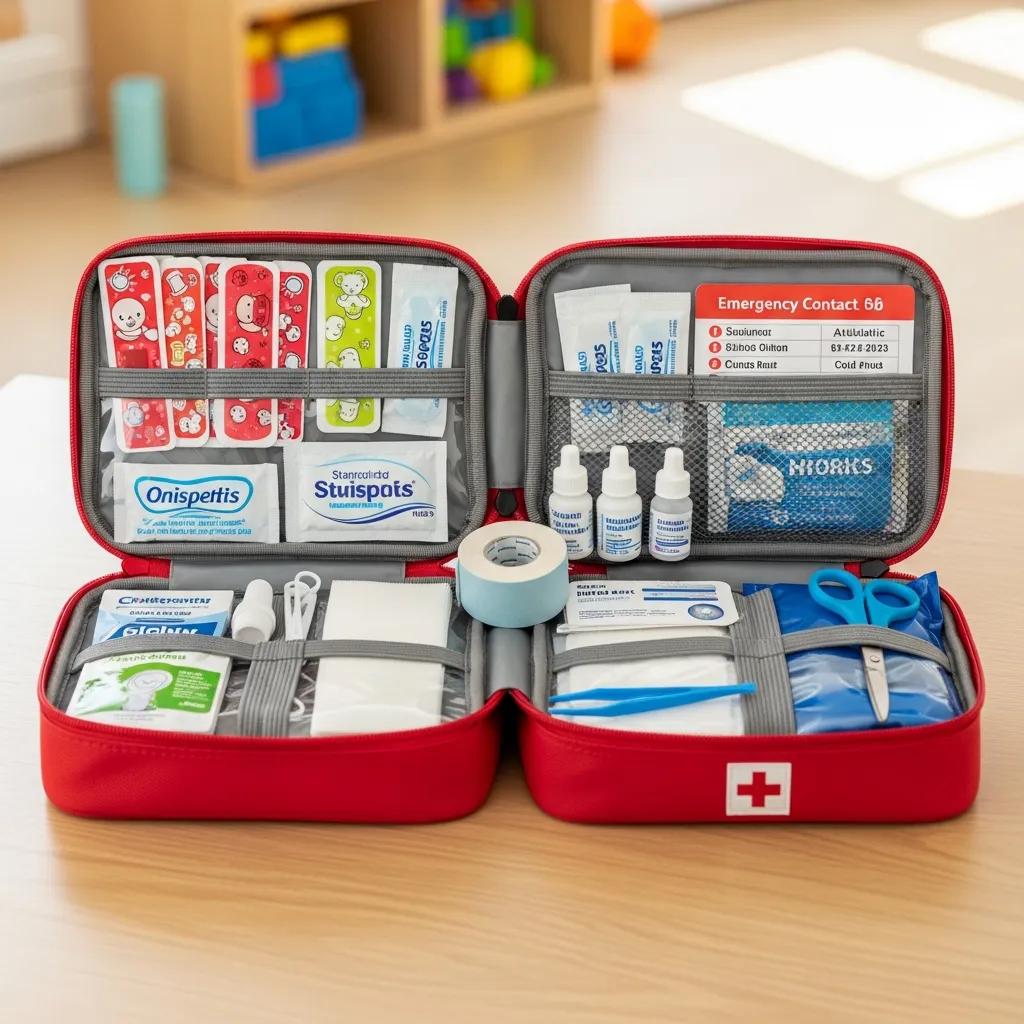
A well-stocked first aid kit is essential for addressing common injuries that children may sustain. Key items to include are:
- Adhesive bandages: For minor cuts and scrapes.
- Gauze pads and tape: For more serious wounds requiring coverage.
- Antiseptic wipes: To clean wounds and prevent infection.
- Thermometer: To monitor for fevers.
These essentials enable quick response actions, helping to reduce further injury and providing caregivers with the tools they need during emergencies.
How Can Families Create an Emergency Safety Plan for Home Accidents?
Developing an emergency safety plan involves outlining clear protocols for responding to different types of accidents, such as burns, cuts, or allergic reactions. Families should practice drills for emergency situations, ensuring that everyone knows their roles. Regular discussions about safety plans and the importance of remaining calm during emergencies can help reinforce preparedness and foster a safety-conscious environment.
What Are Frequently Asked Questions About Home Childproofing and Child Safety Products?
Clarifying common misconceptions about child safety can provide invaluable support for parents navigating childproofing challenges. By addressing frequently asked questions, families can better understand how to implement effective safety measures.
How Do You Choose the Best Child Safety Gates for Your Home?
When selecting child safety gates, families should consider factors such as the gate’s location, size, and ease of use. Look for gates that fit securely in the intended space and can be easily operated by adults but remain child-proof. Various gate designs are available, including pressure-mounted and hardware-mounted options, ensuring there’s an appropriate solution for every household.
What Are Key Tips to Prevent Child Injuries at Home Beyond Product Use?
In addition to using products, proactive strategies can play a major role in preventing child injuries. Some crucial tips include:
- Supervision: Always supervise children, particularly in high-risk areas such as kitchens and bathrooms.
- Education: Teach children about safety and potential dangers from a young age. Involve them in discussions about safety.
- Responsibility: Encourage older children to help with the safety of younger siblings, fostering a sense of responsibility.
By combining effective childproofing products with active engagement in safety education, families can better protect their children from potential risks in their homes.